The 100-Year Plan
How do you transform a plantation forest into a more vibrant and species-rich forest? Follow the ideas, goals, and long-term efforts that will shape nature in Deep Forest Art Land for generations to come.
A 100-Year Plan Is Being Developed
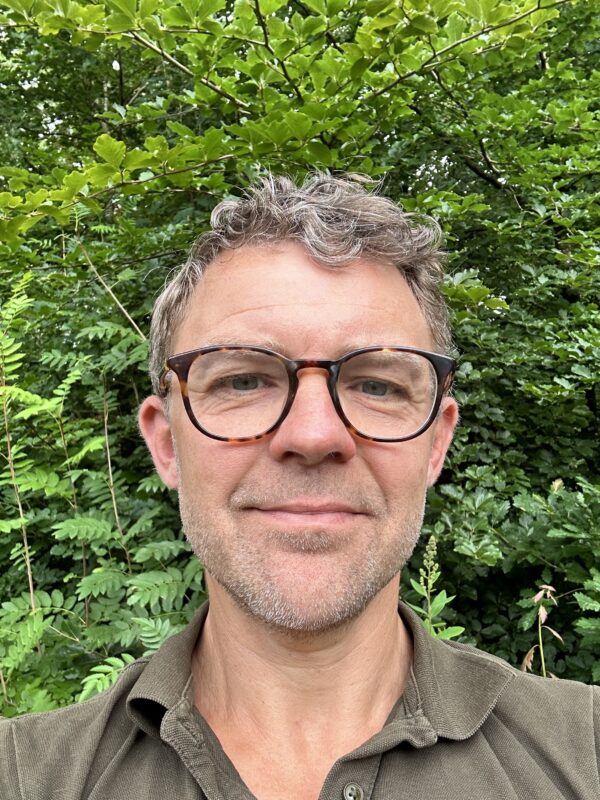
In this regard, we have begun a collaboration with landscape architect Anders Busse Nielsen. He has developed a landscape plan with high ambitions, in which the timeframe for realizing the various forest and natural habitats varies, and in some places may take up to an entire tree generation!
The goal is to support nature’s own processes and dynamics in order to create biodiverse forest and natural habitats that will be more resilient to future climate change and diseases. At the same time, the plan is intended to provide a framework for a magical experience of art in nature by, among other things, enhancing various forest atmospheres, sightlines, and views, so that you can both catch a glimpse of the artworks from a distance and experience them up close.
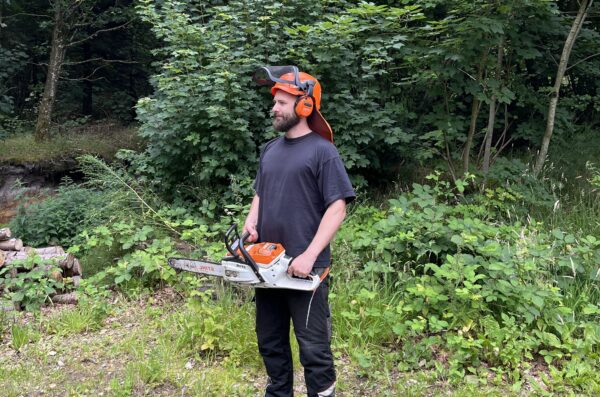
As part of our efforts to implement the plan, we have also partnered with forestry technician Patrick.
You can already meet him out in the woods, where he cuts down trees and shrubs, promotes the growth of desired species, and removes invasive species before they spread.
Below, you can read about some of the changes you can expect to see in the forest!
Discover art and nature from a new trail.
One of the first changes you'll notice in the forest is the new trail, which, with its new route, will guide you through the forest and tie its many elements together into a single whole.
The plan for the new trail is to streamline it so that it serves as a clear guide with good rest stops for people of all ages, abilities, and any disabilities. The new trail will blend into the landscape, leading you past the forest’s many works of art, natural features, and types of terrain, while also protecting vulnerable natural areas.
The trail’s environmental impact must be kept to a minimum to protect existing habitats, while also giving it a new look. It will be covered with gravel made from crushed, red recycled brick, which echoes the clay in the subsoil while creating a striking contrast to the green natural surroundings.
A denser coniferous forest where you can hide.
Right now, large parts of the coniferous forest consist of conifers of the same age that have only just reached “adulthood” and are therefore largely uniform in size, appearance, and shape. But the goal is that, in the long run, you’ll be able to explore a lush coniferous forest that, all year round, unfolds into smaller spaces among trees of various ages and sizes.
For this reason, Patrick is currently thinning out the conifers—Nordmann fir and silver fir (Nobilis). This will provide light and space for natural regeneration and the introduction of species that contribute to biodiversity, such as ferns, as well as various herbs associated with Nordic coniferous forest flora, such as wood sorrel, which you can pick for your lunchbox!
All of this will also help create a greater contrast with other parts of the forest—such as the light-colored beech forest and the open meadows—so that the nature experience is as varied and diverse as possible.
The ancient and enchanting beech forest.
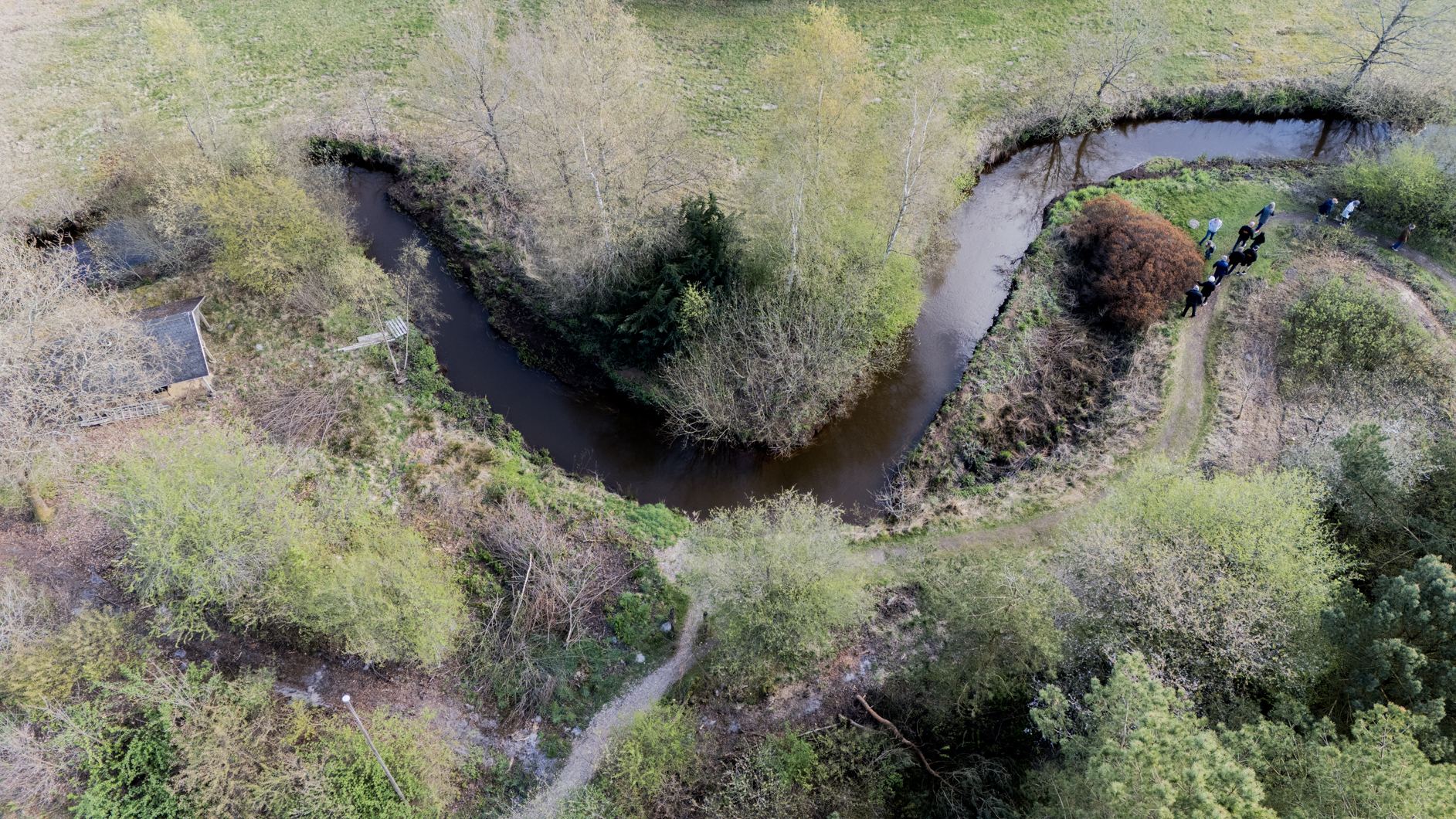
As mentioned, the forest isn’t made up solely of conifers. On the contrary, on the south-facing slope leading down to the river valley, you can see beech trees over 100 years old that together form a colonnade of trunks. And if we take good care of them, these trees can easily live another 100 years.
To ensure the trees have the best possible conditions, ongoing, careful thinning and stabilization are required. This will also allow the tree crowns to grow until they once again form a dense canopy of leaves that shades the undergrowth and creates an unobstructed view between the trunks, so visitors can truly experience the sloping terrain and the works of art placed in the vast space beneath the trees’ green canopy. On the forest floor, you’ll be surrounded by a blooming spring carpet of mainly anemones, May flowers, and larkspur, whose early blooms provide a feast for insects.
An even more magical, untouched forest.
Deep Forest Art Land contains several areas of untouched forest that are currently dominated by birch and red alder. These areas must be further promoted and protected so that natural processes can run their course. Our only intervention here will be to introduce native and naturalized forest vines such as hop, wild honeysuckle, ivy, and woodbine, so that the area develops an even wilder forest character. After that, we will let nature take over, removing conifers only if they spread too far into the area. Together with fallen and dead trees, a species-rich forest floor flora, and a high water level, the plants will provide important habitats for a wide variety of species.
We are very happy and excited that this process has now begun, and we look forward to following the forest’s development together with you over the next many years!