The Sculpture Cemetery
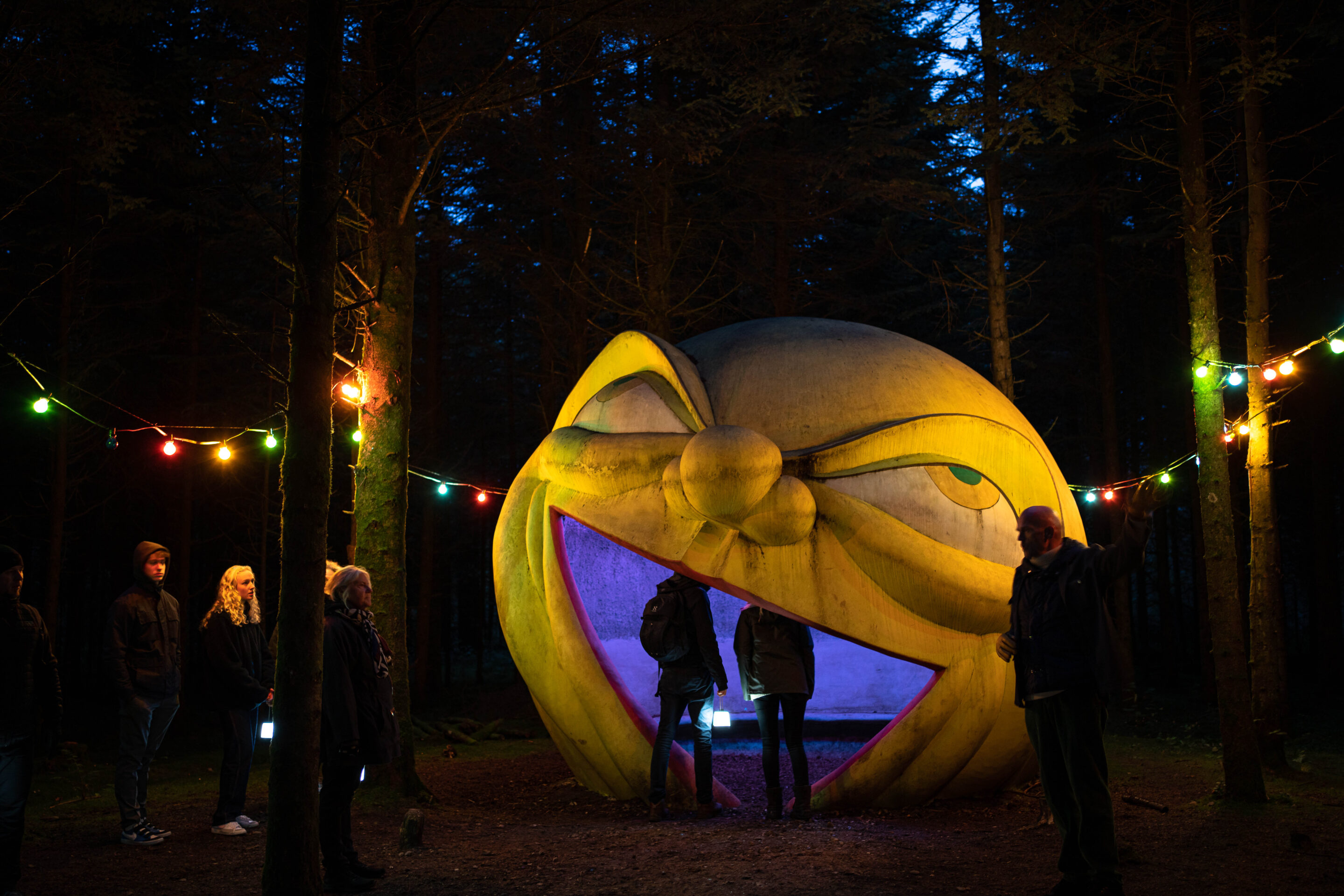
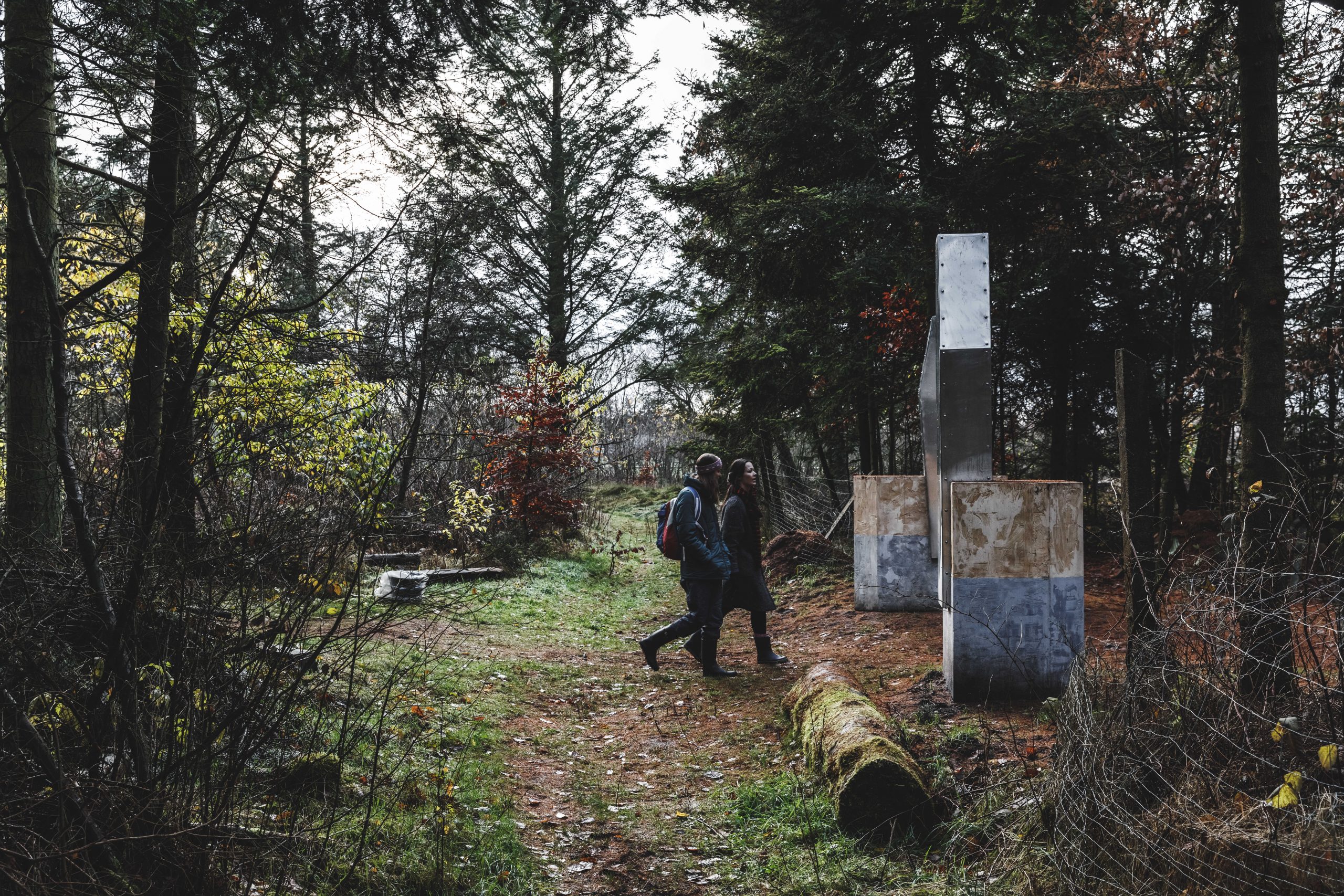
The Sculpture Cemetery is located near the parking area in the southern part of Deep Forest Art Land.
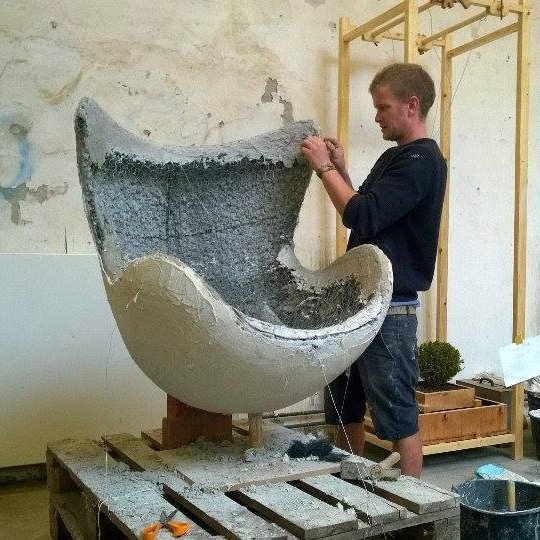
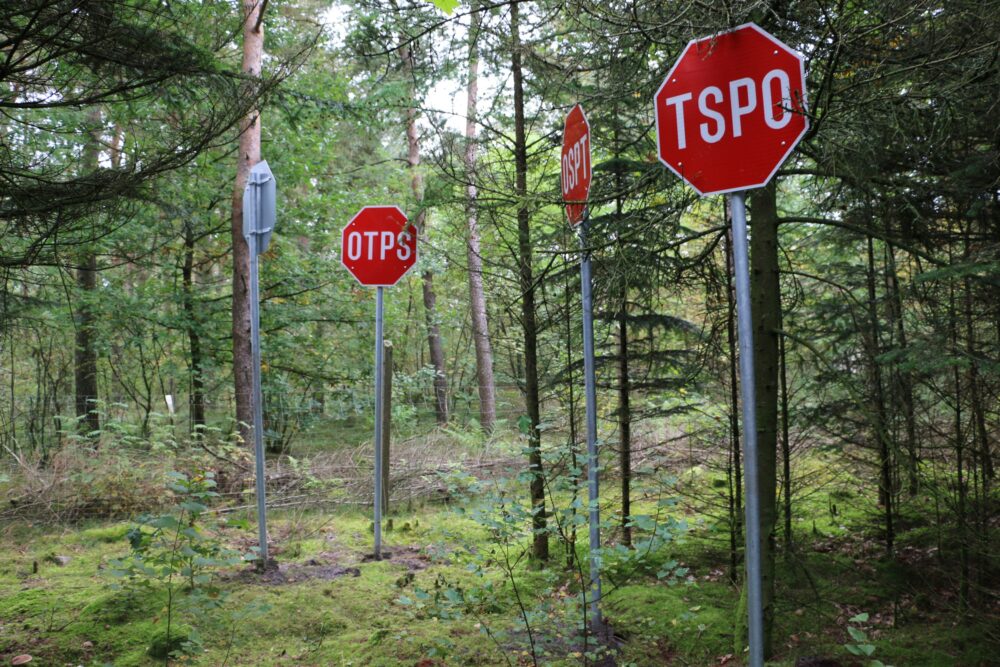
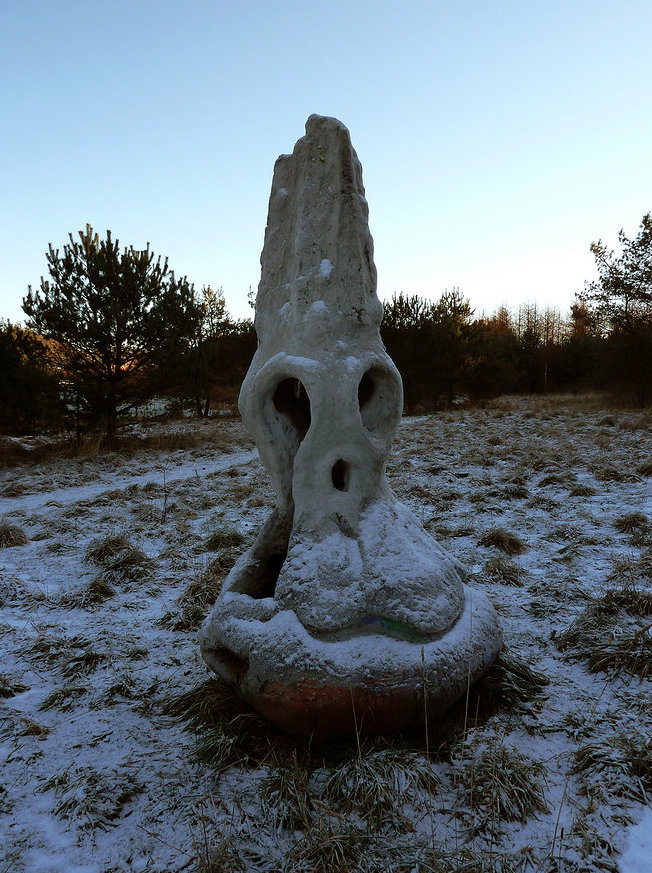
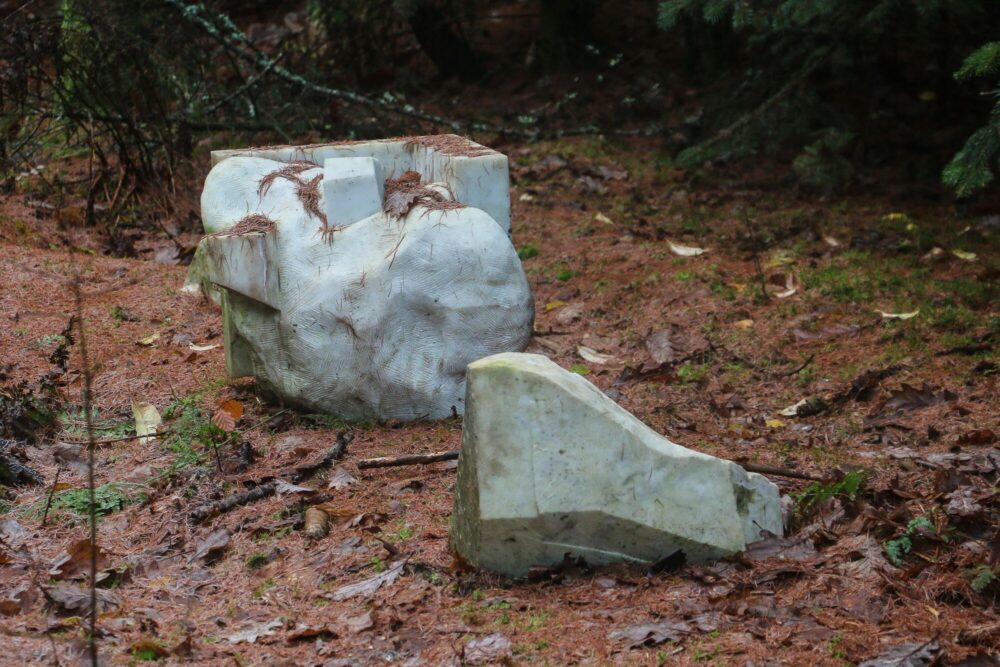
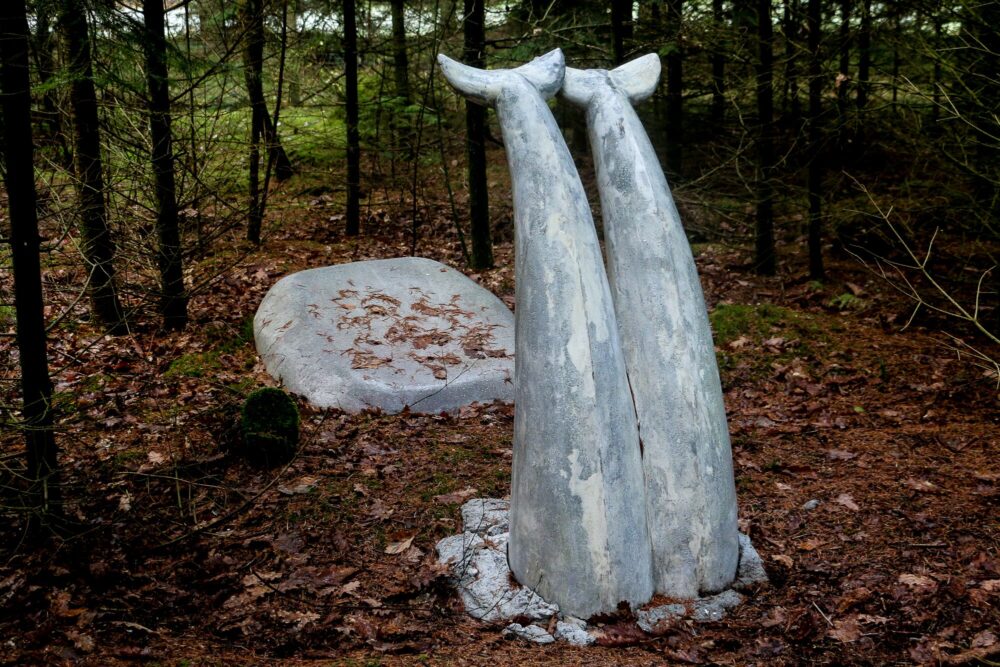
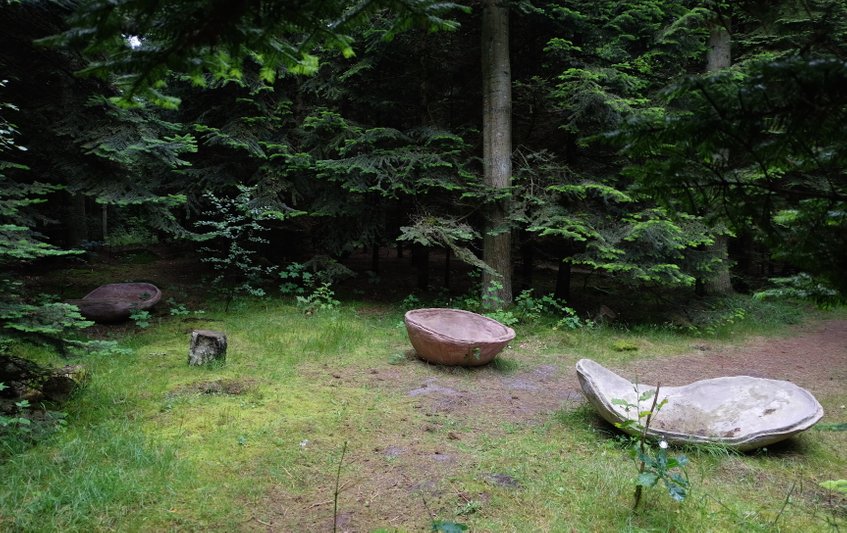
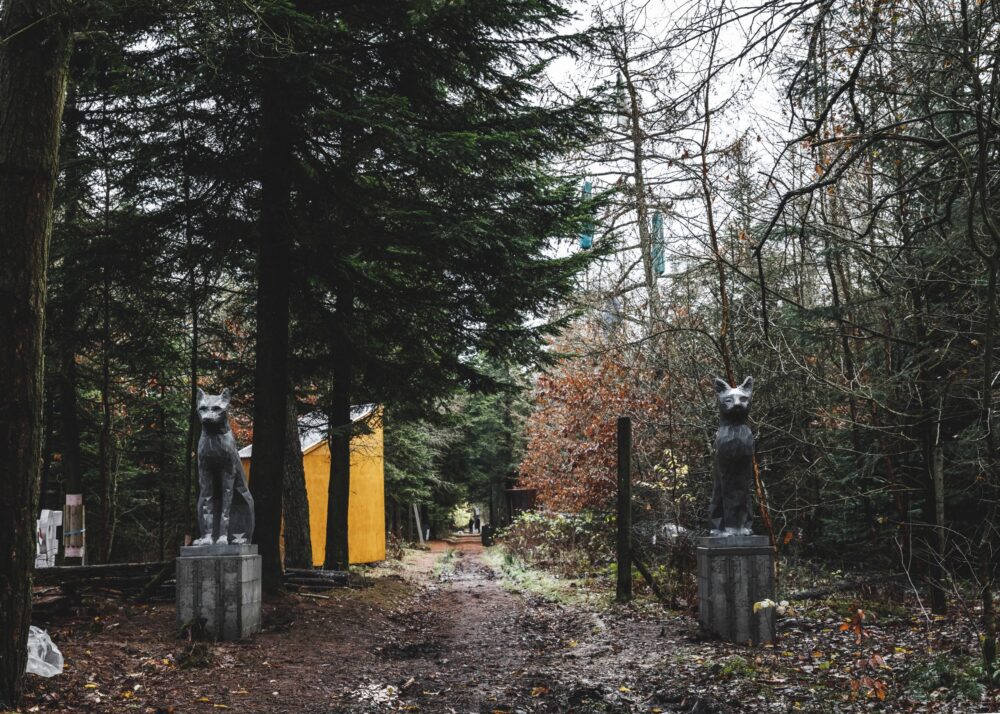
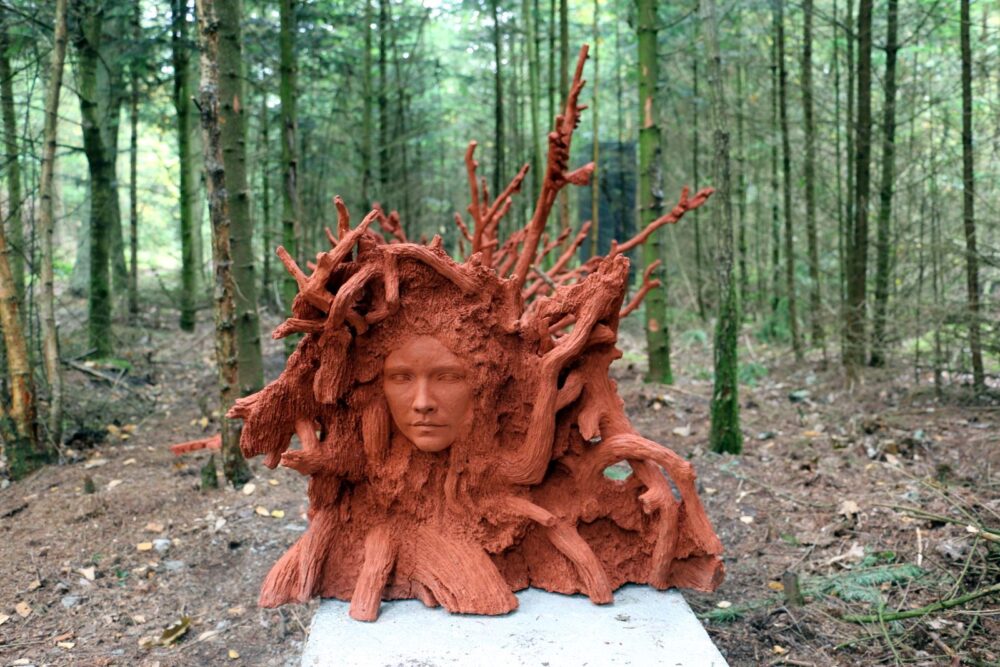
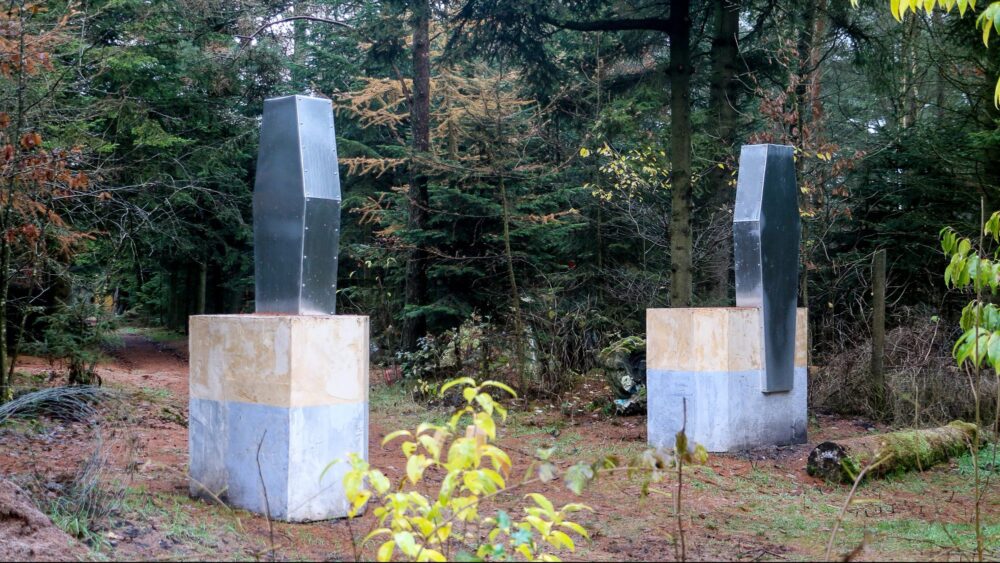
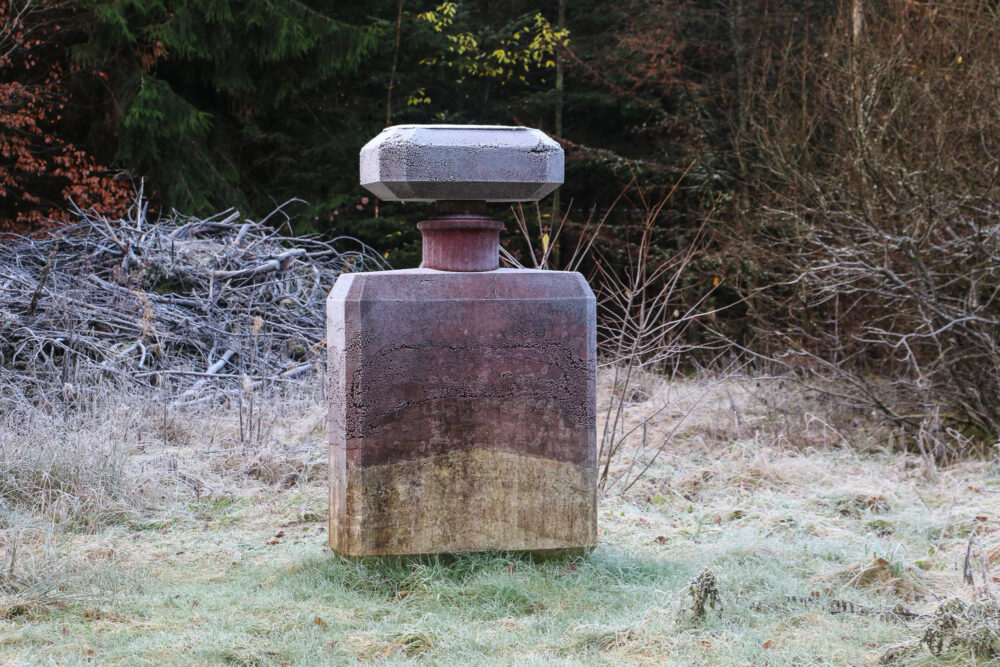
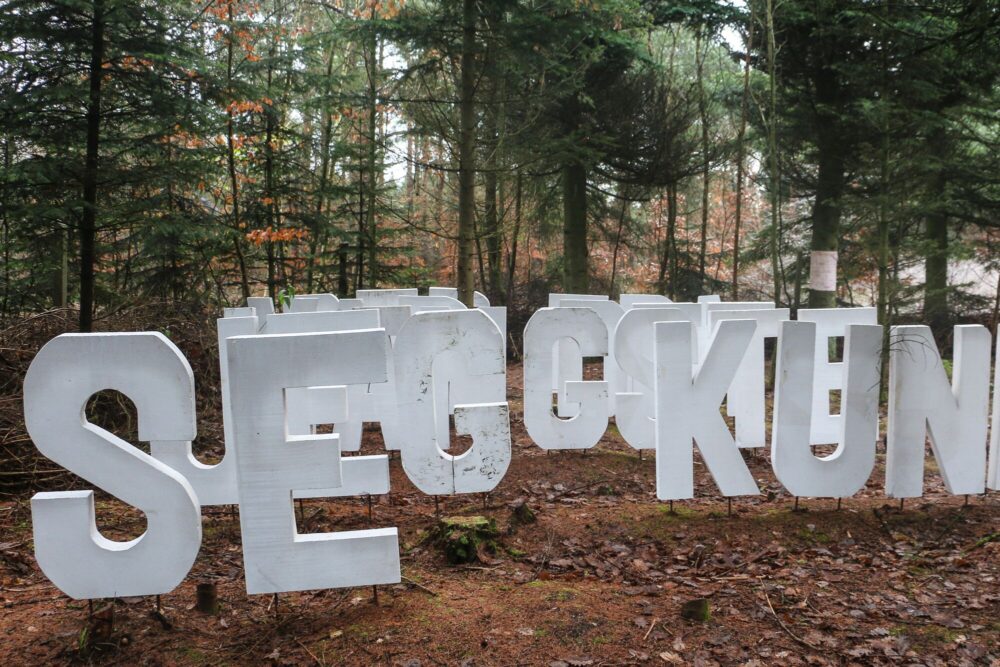
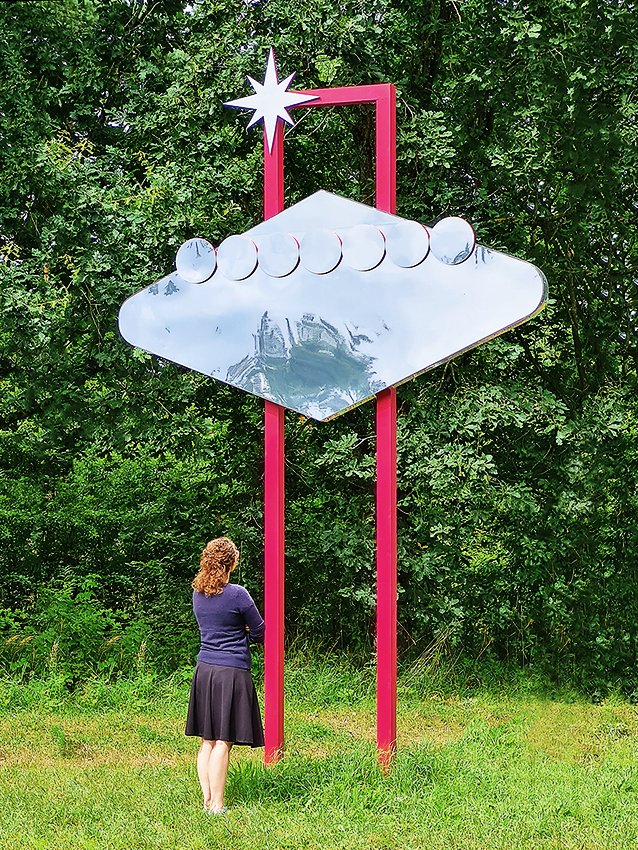
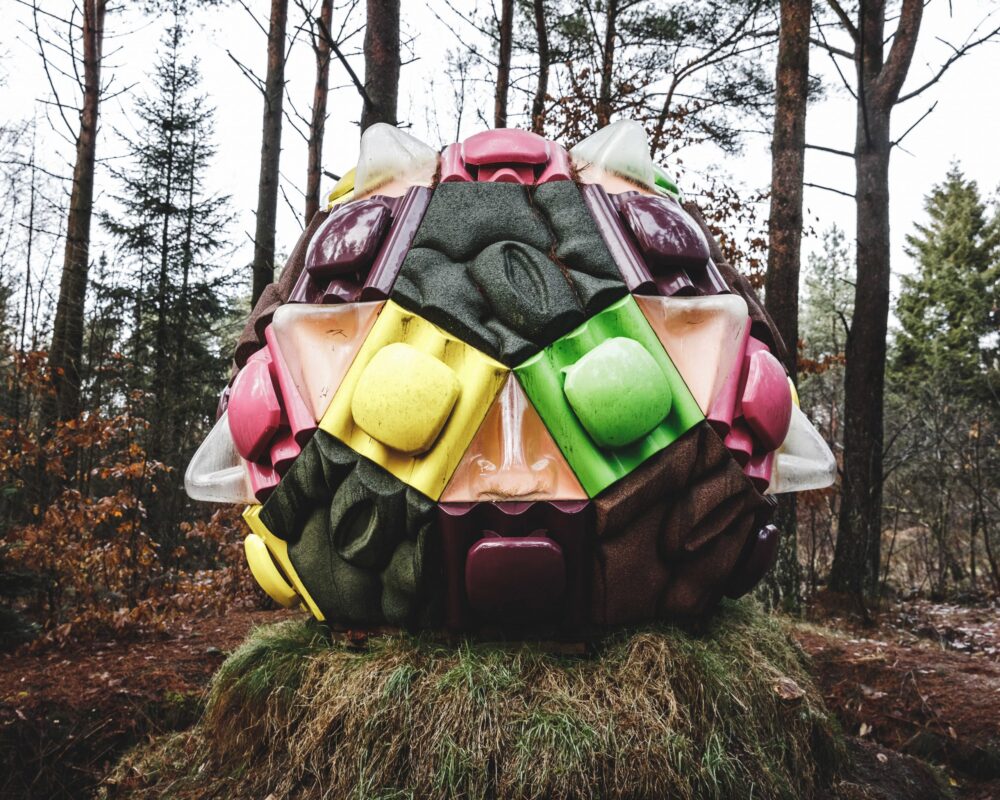
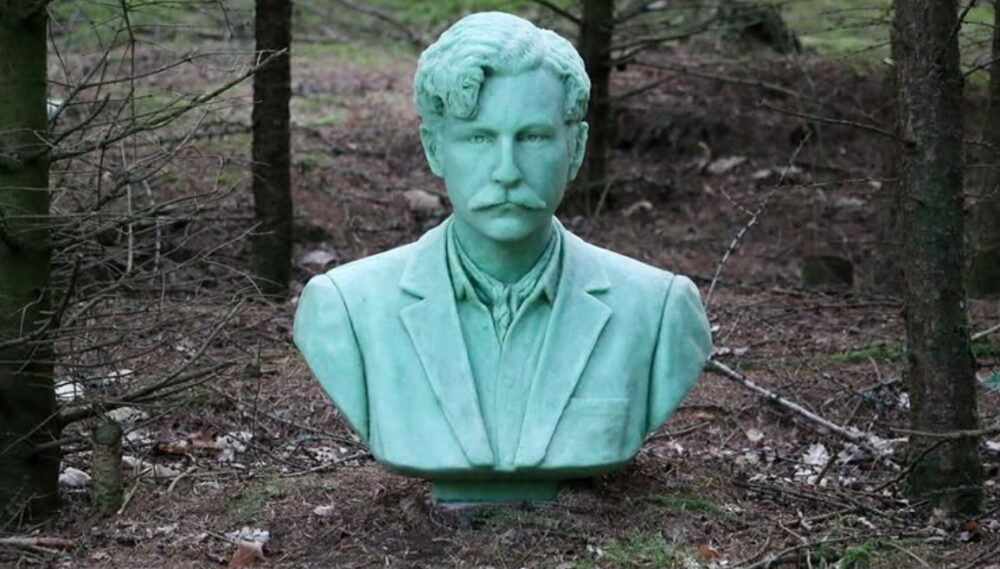
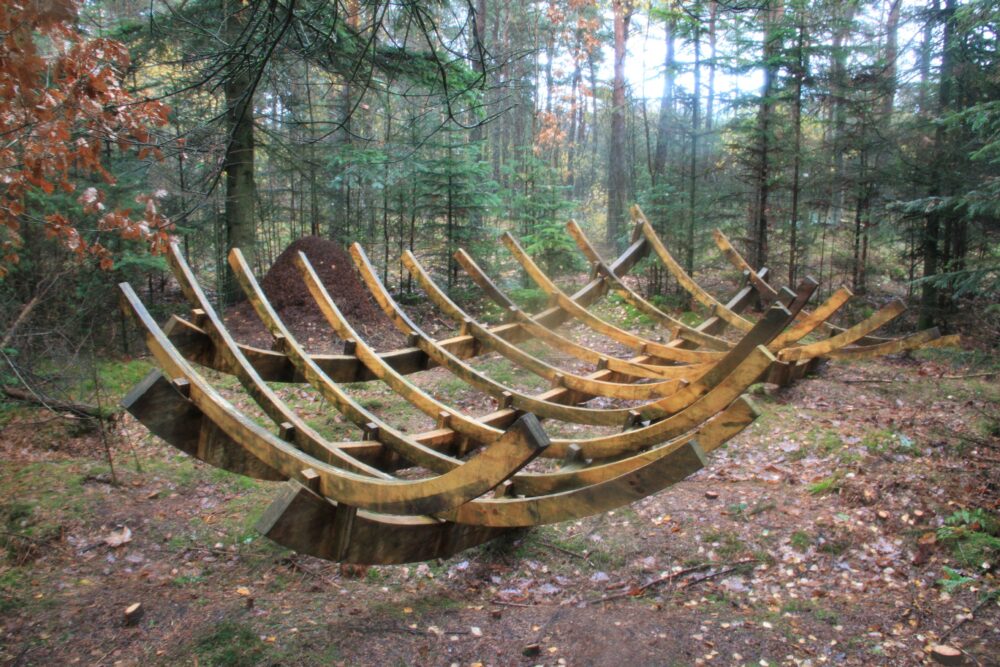
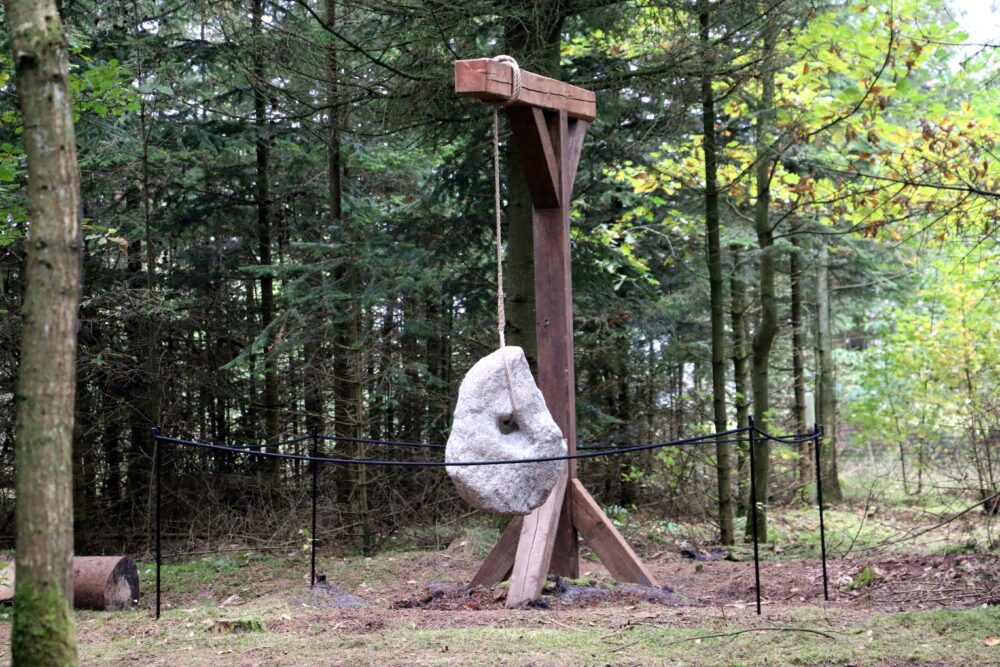
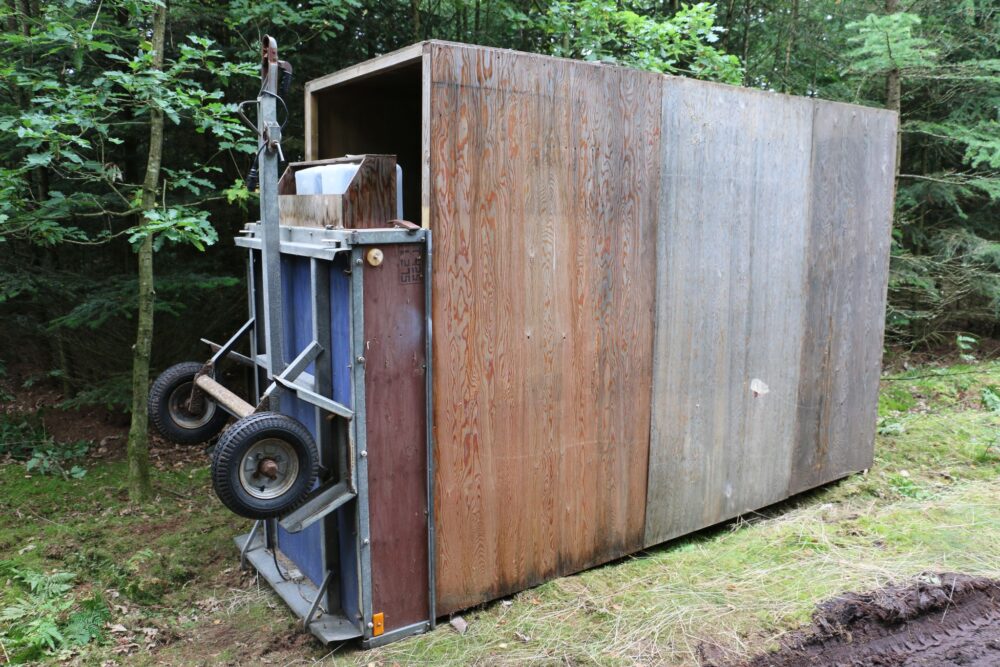
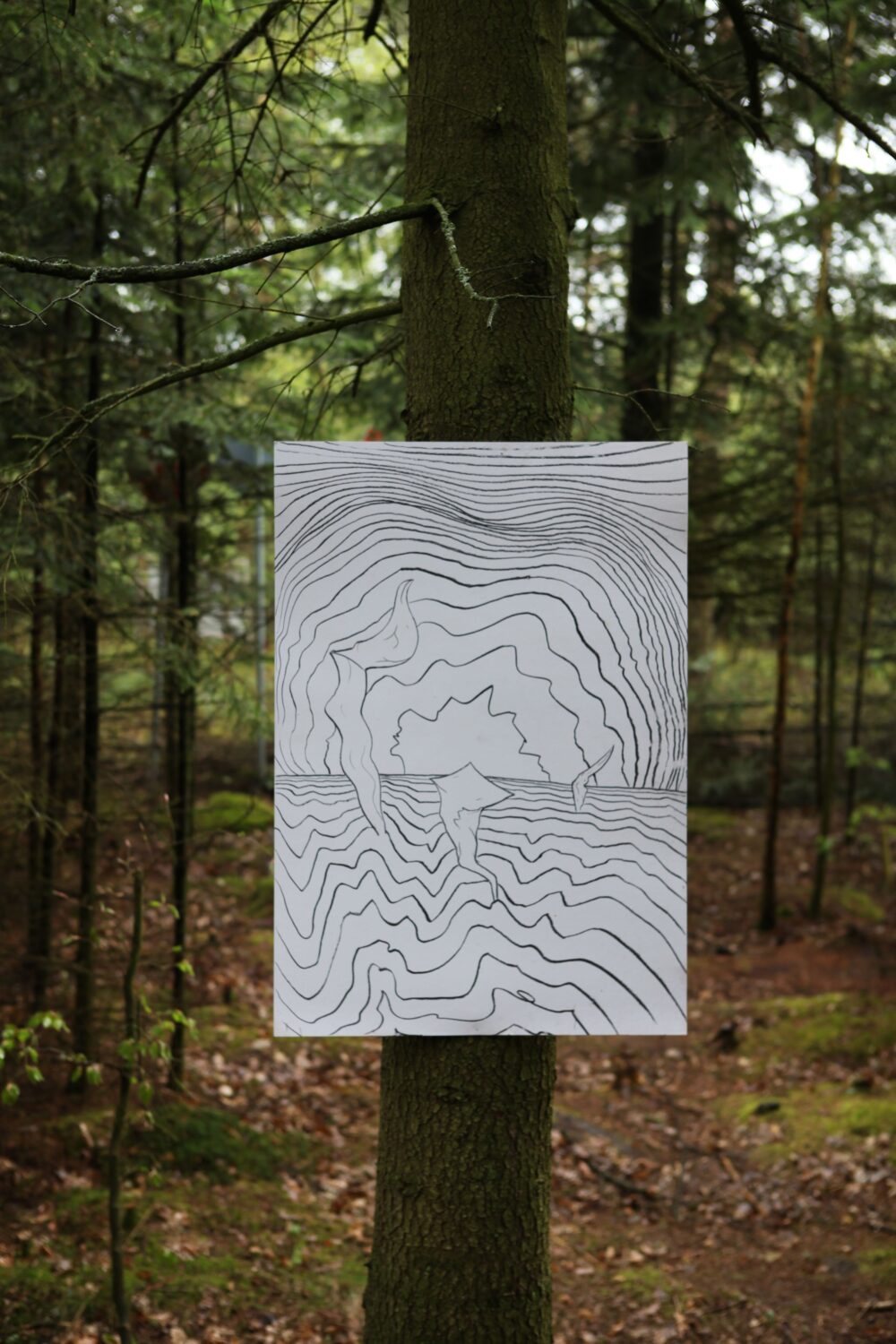
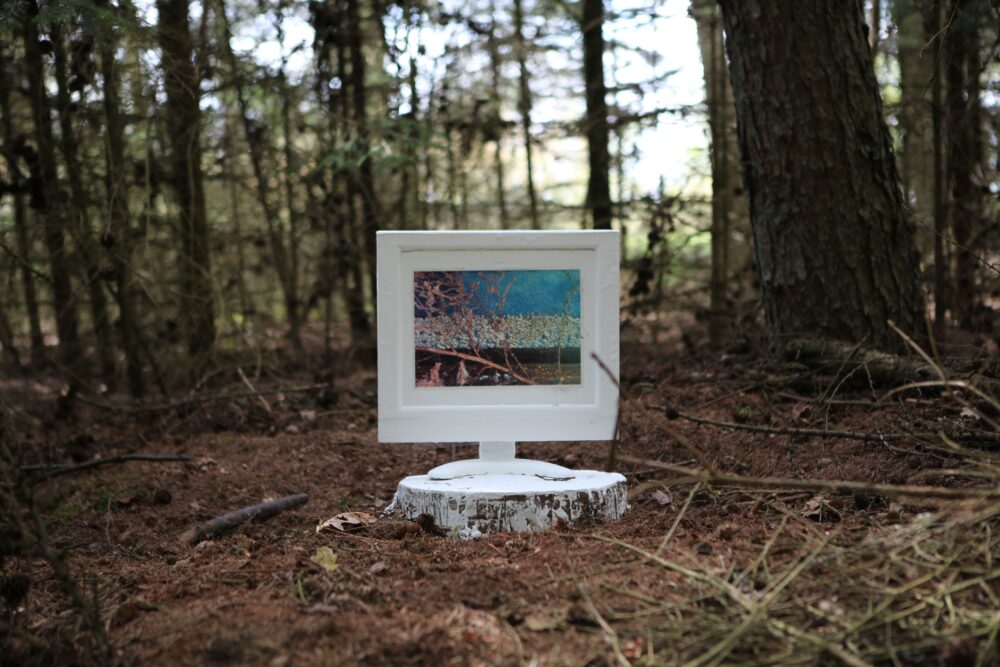
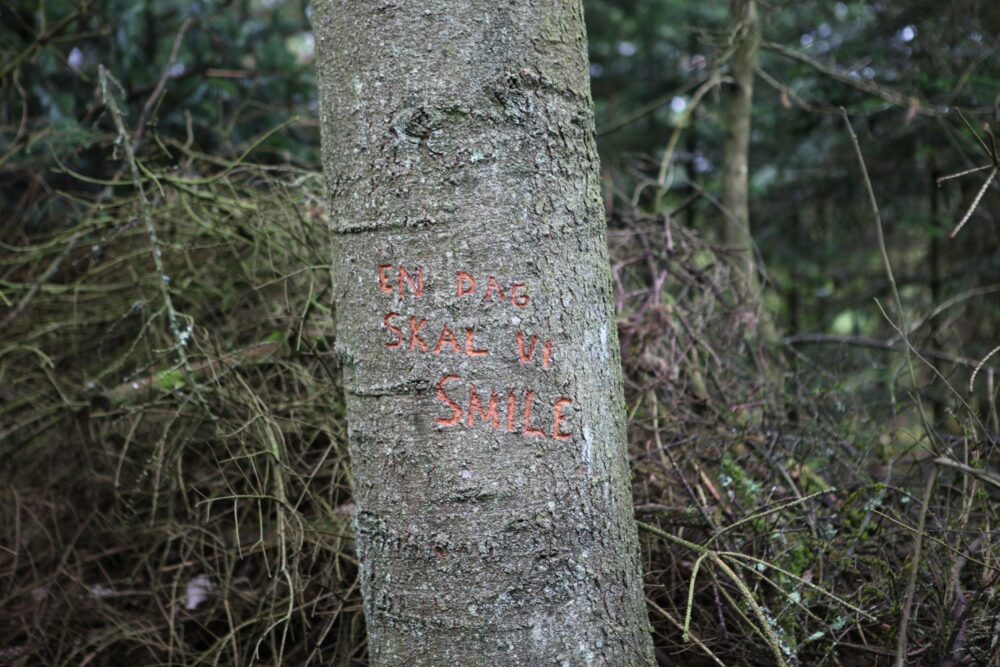
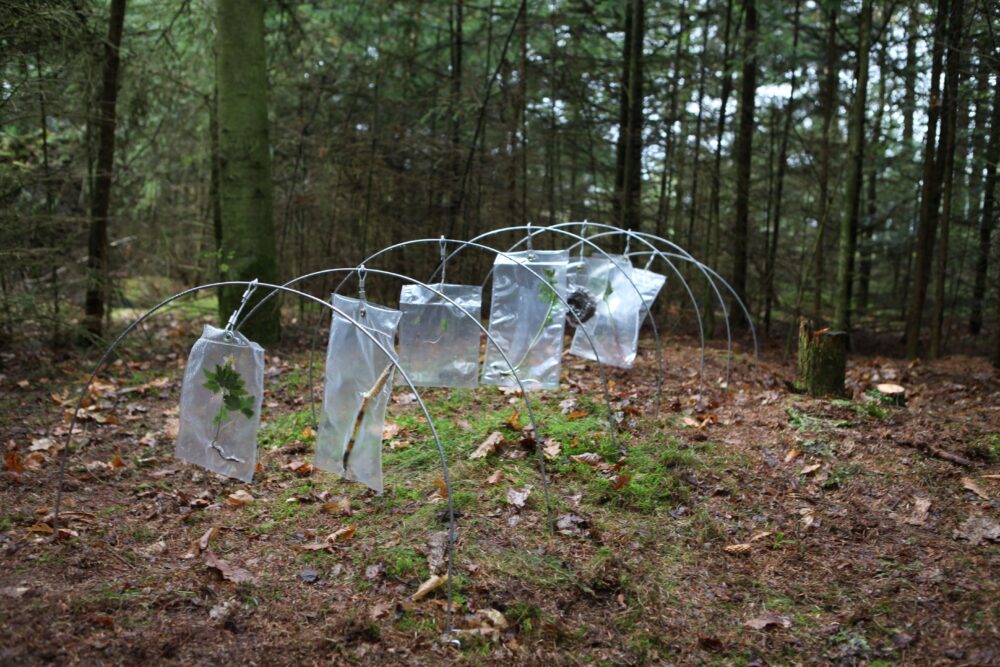
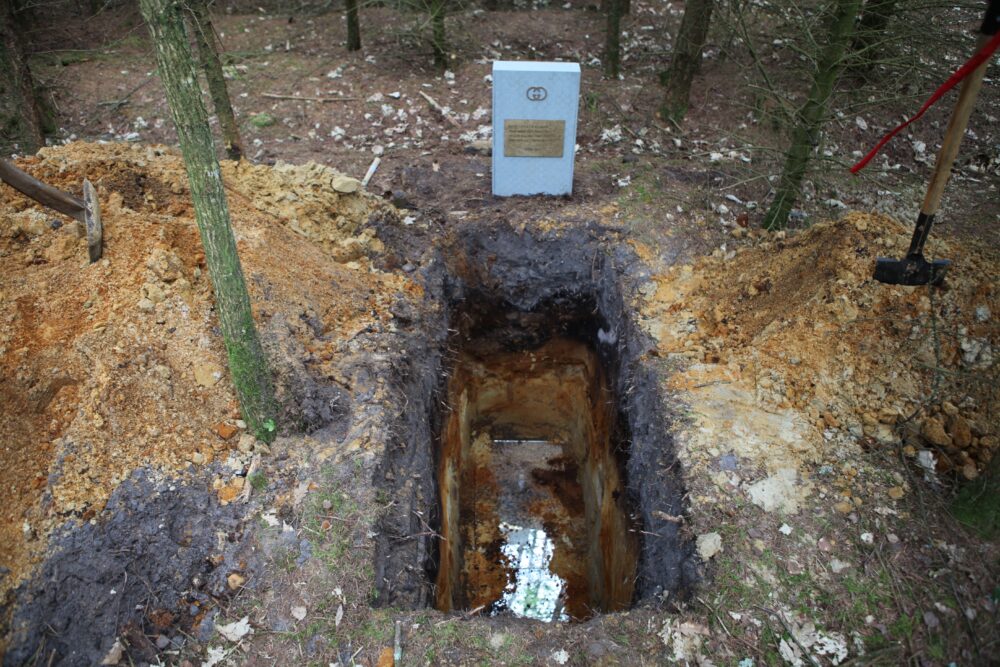
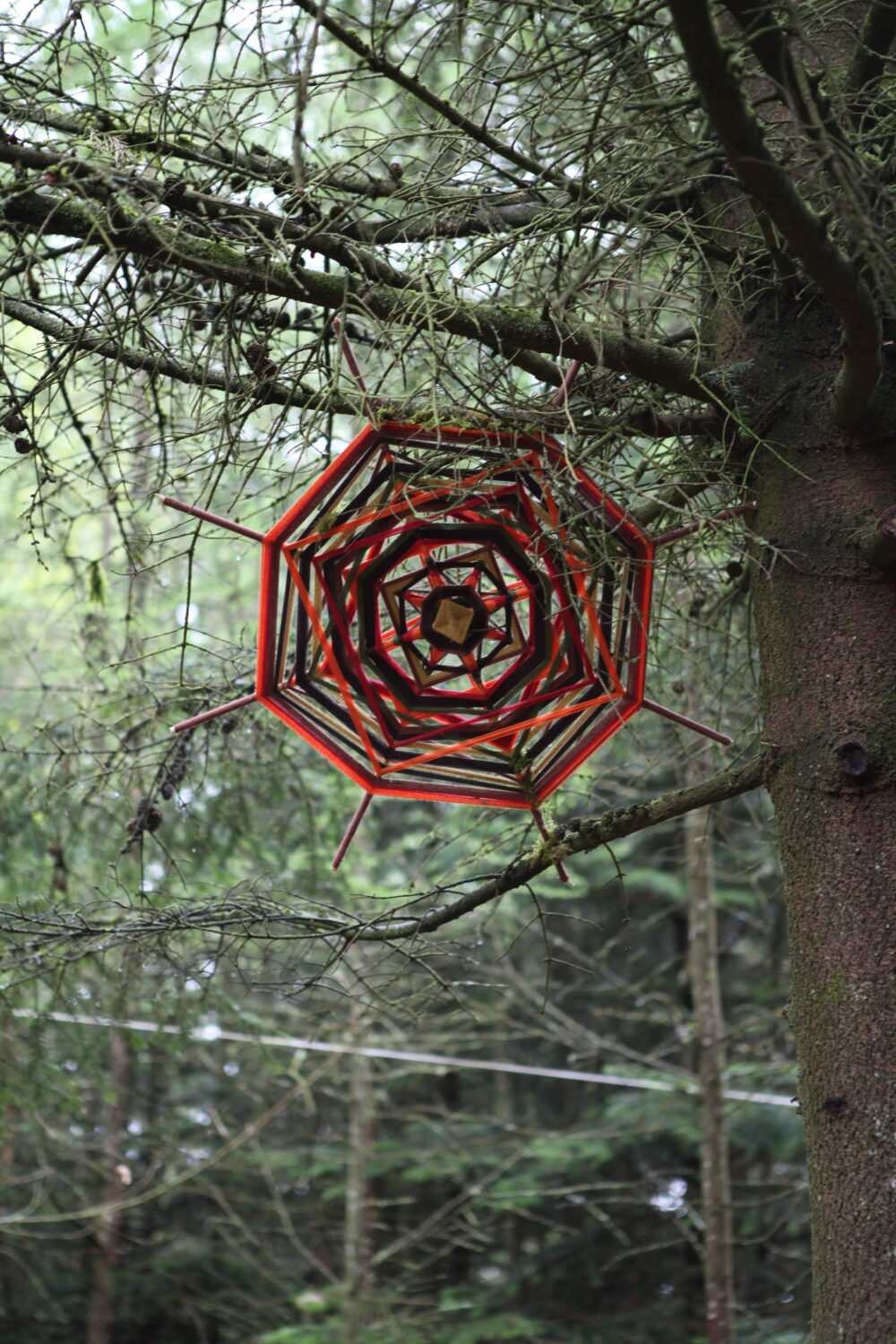
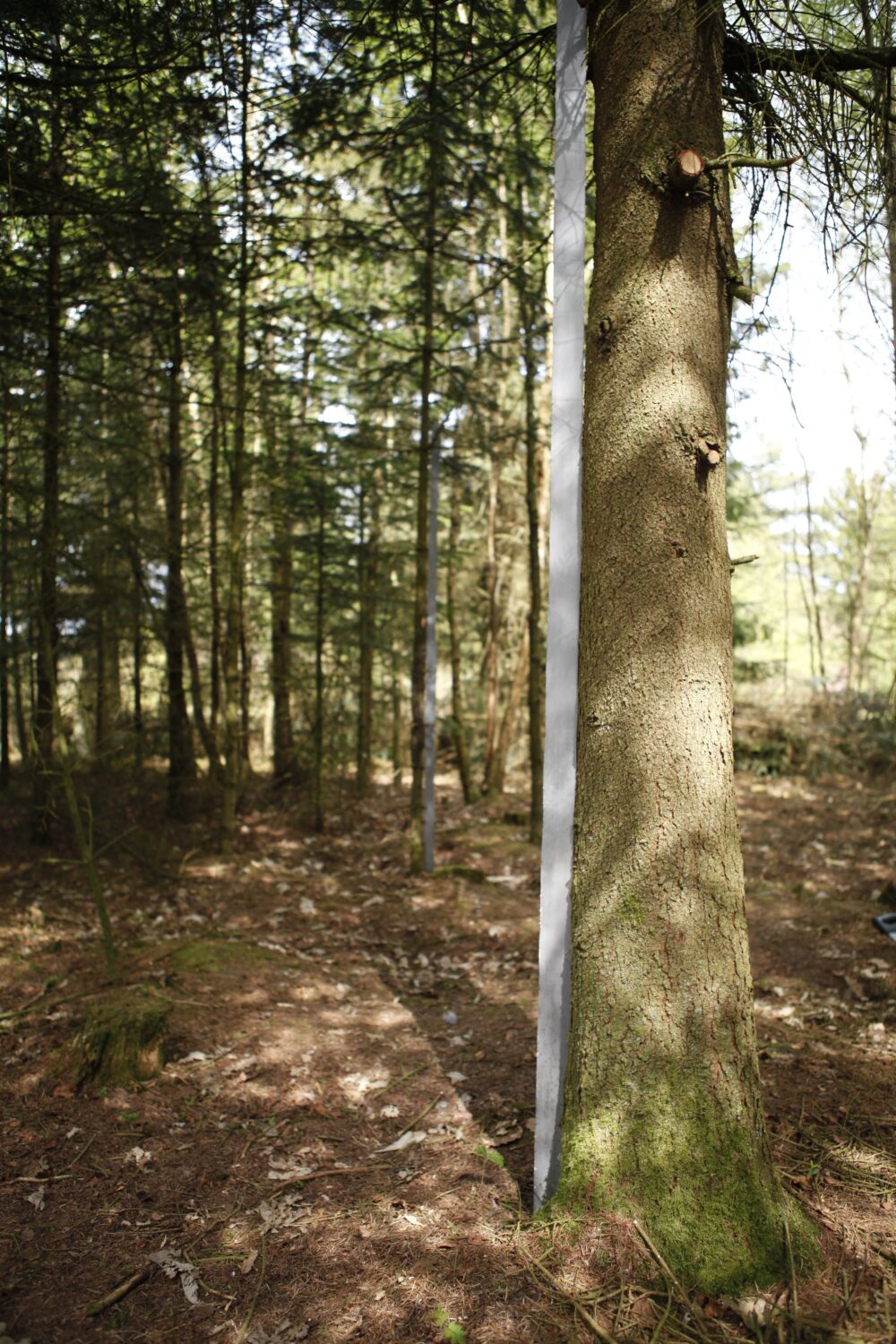
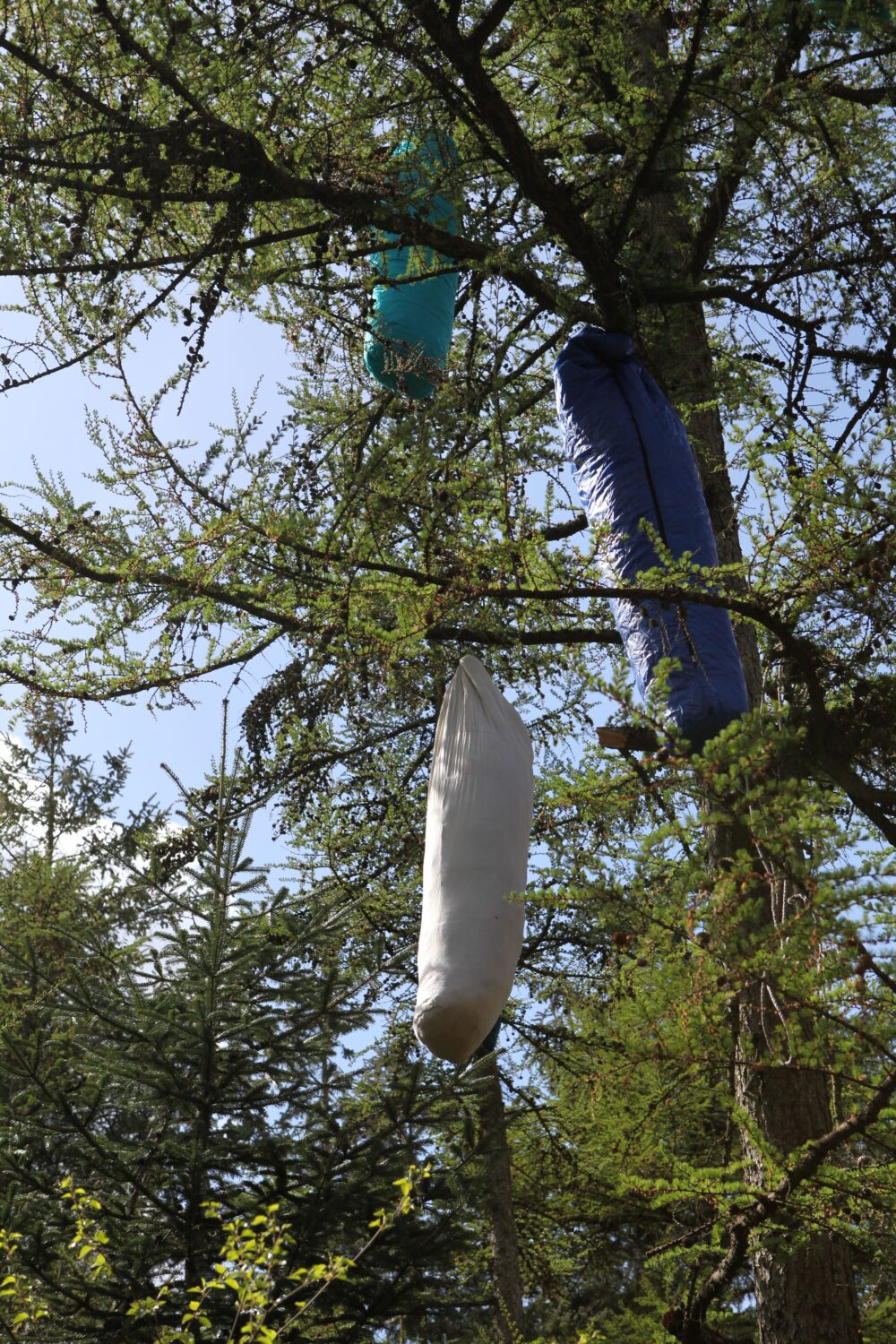
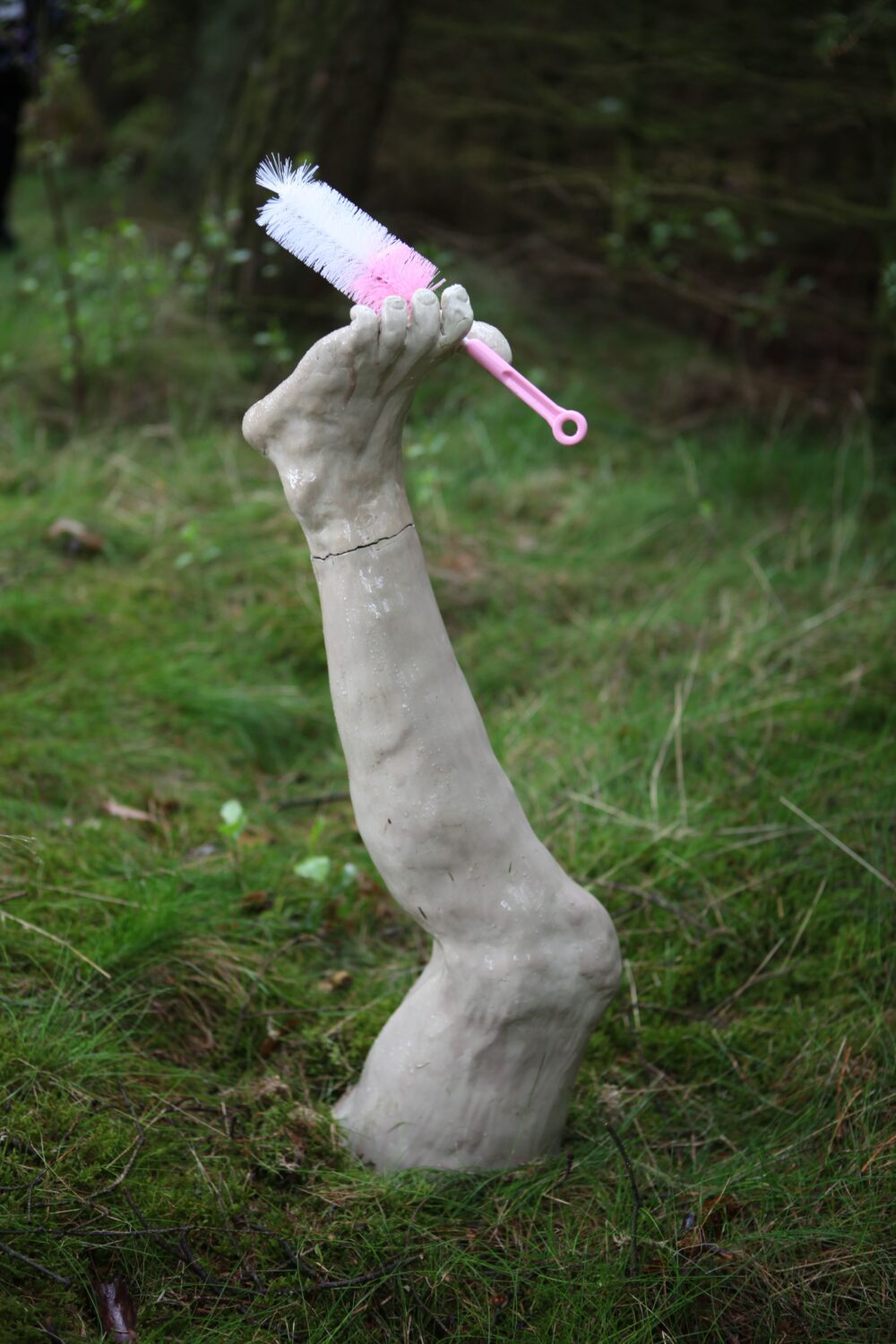
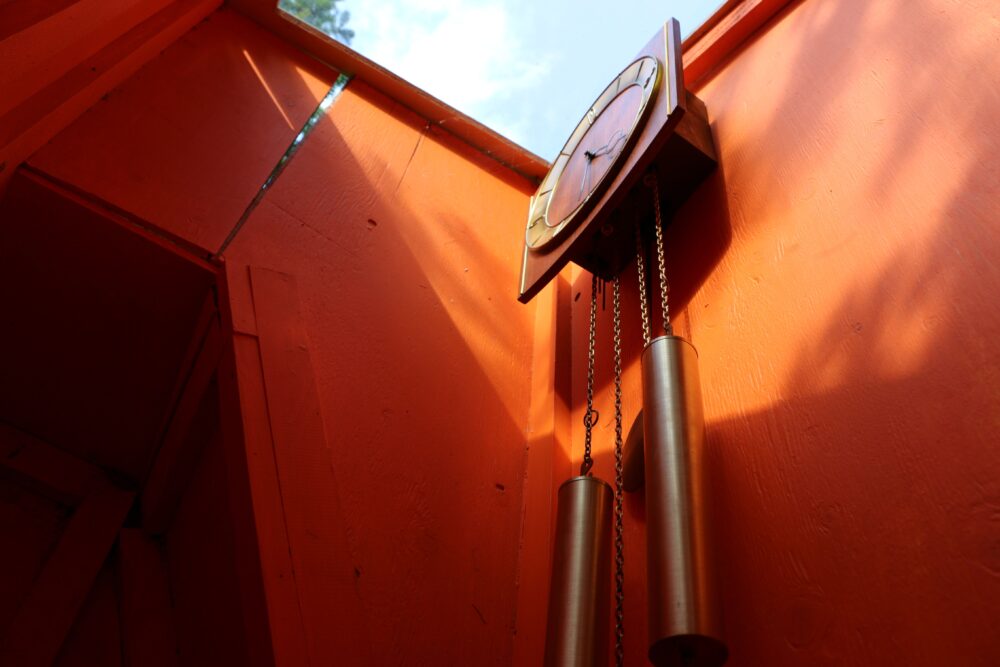
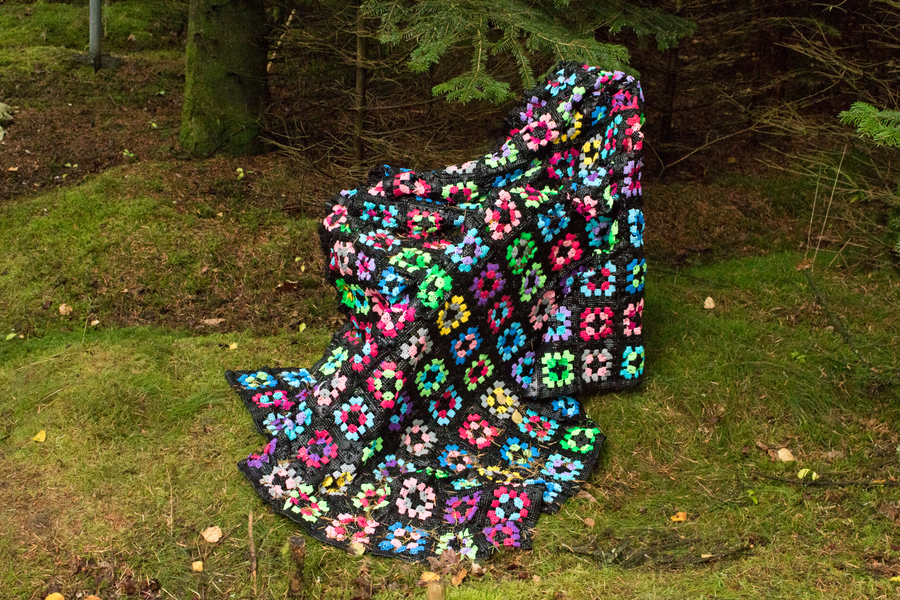
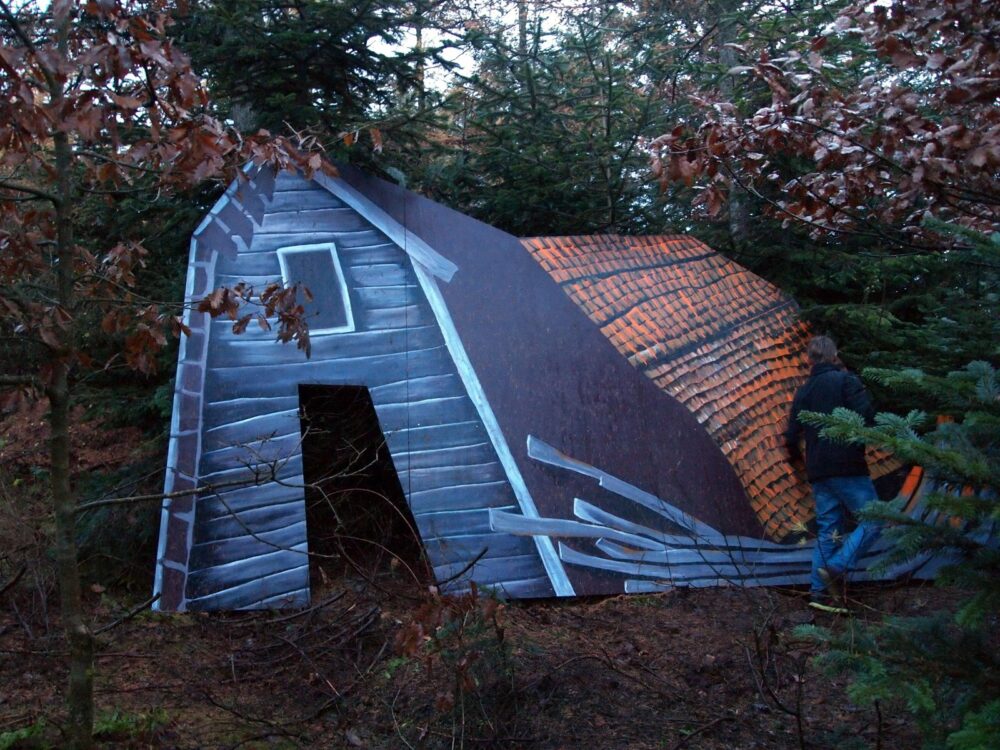
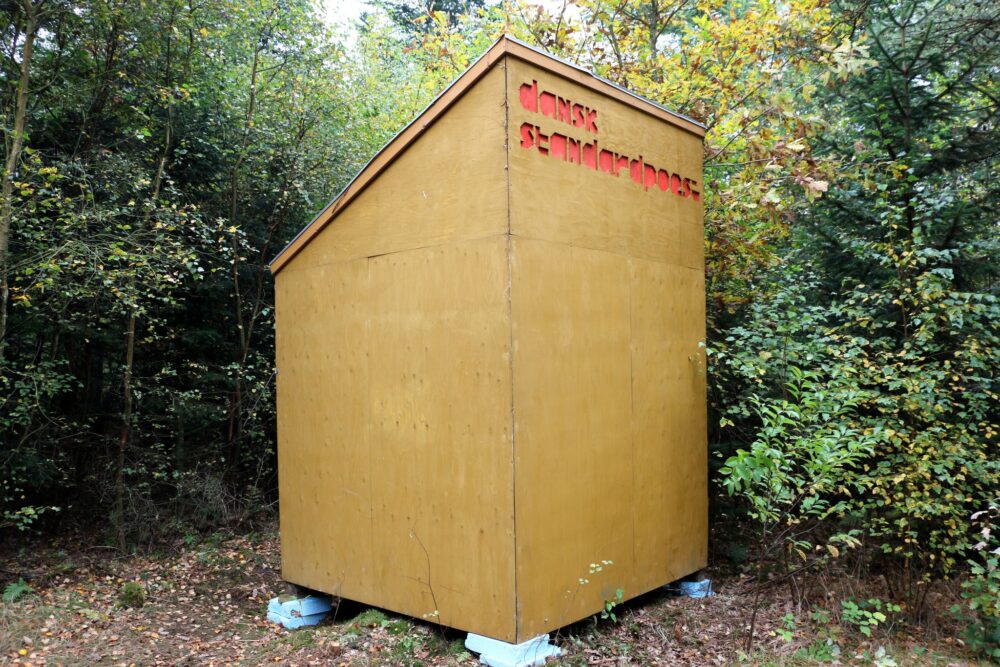
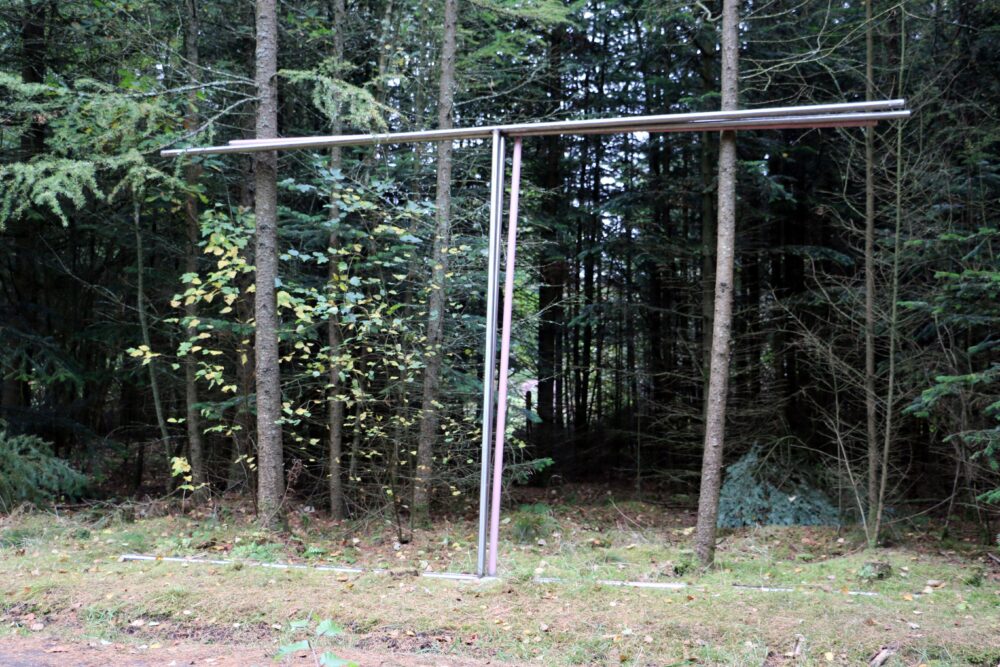
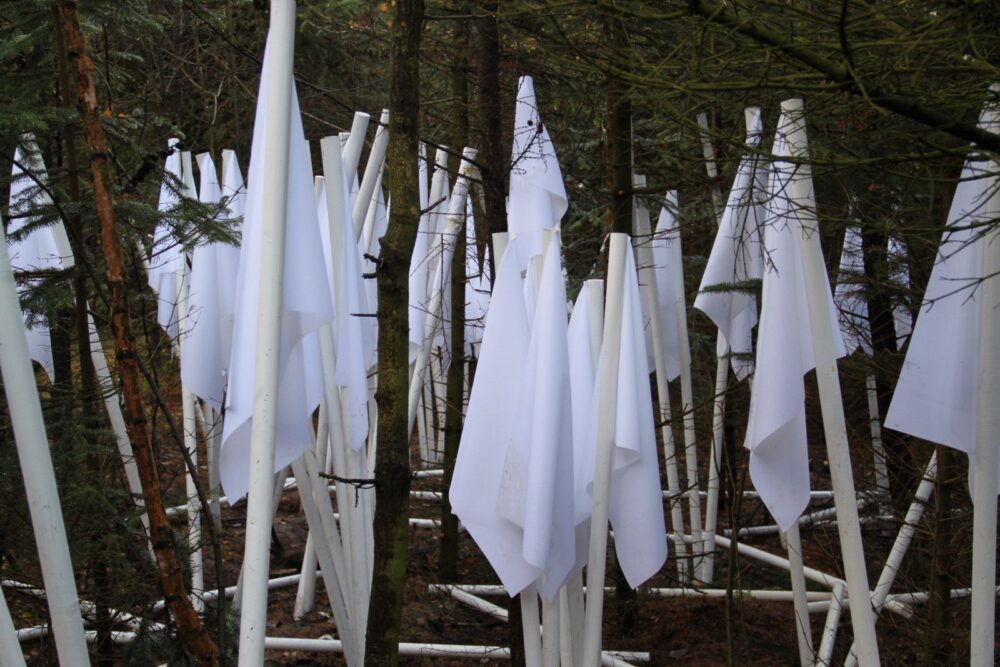
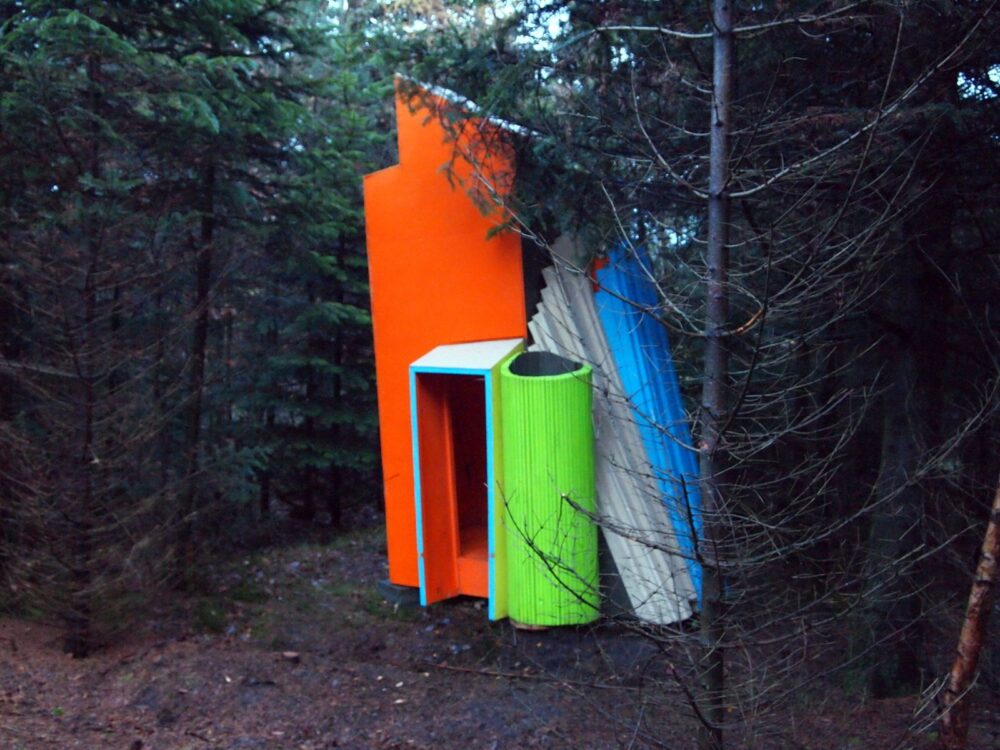
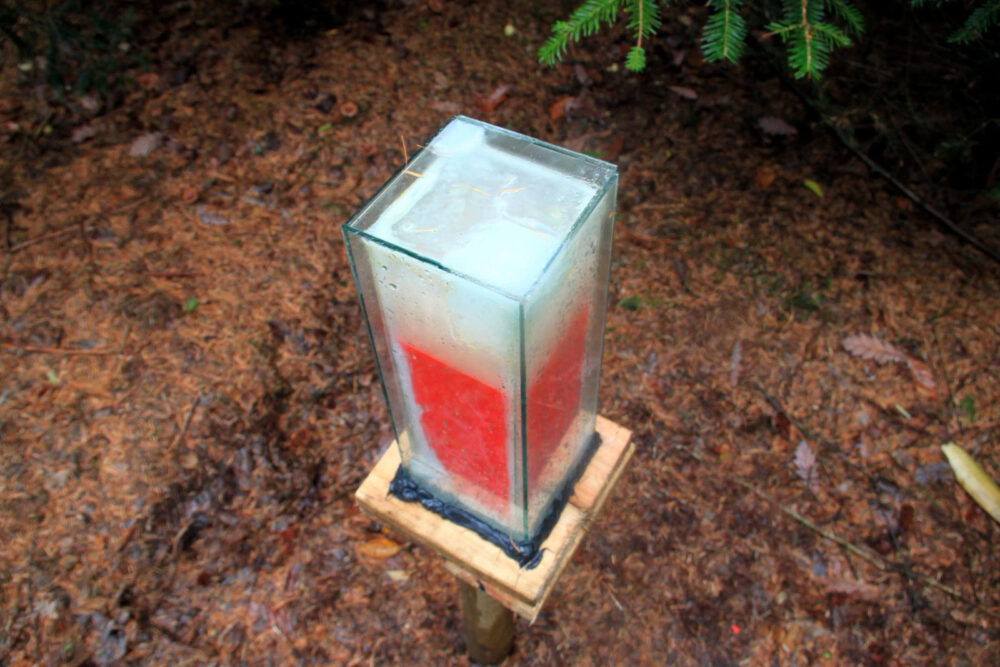
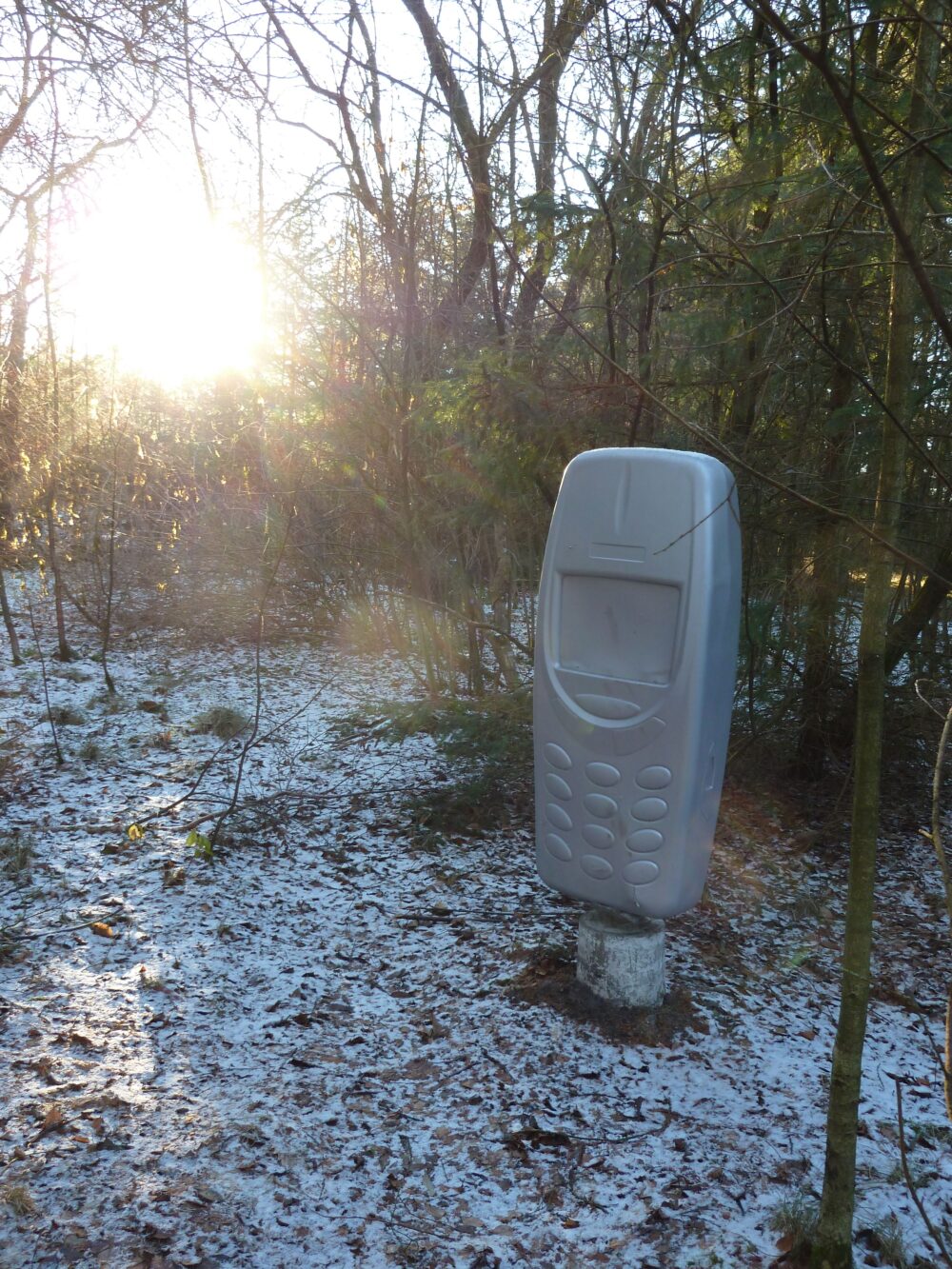
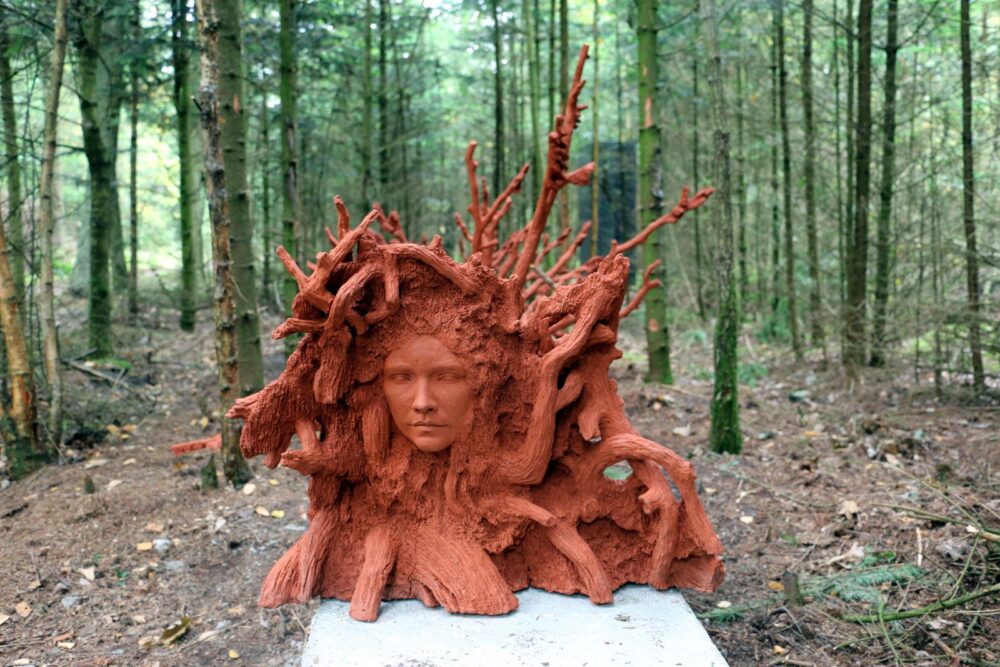
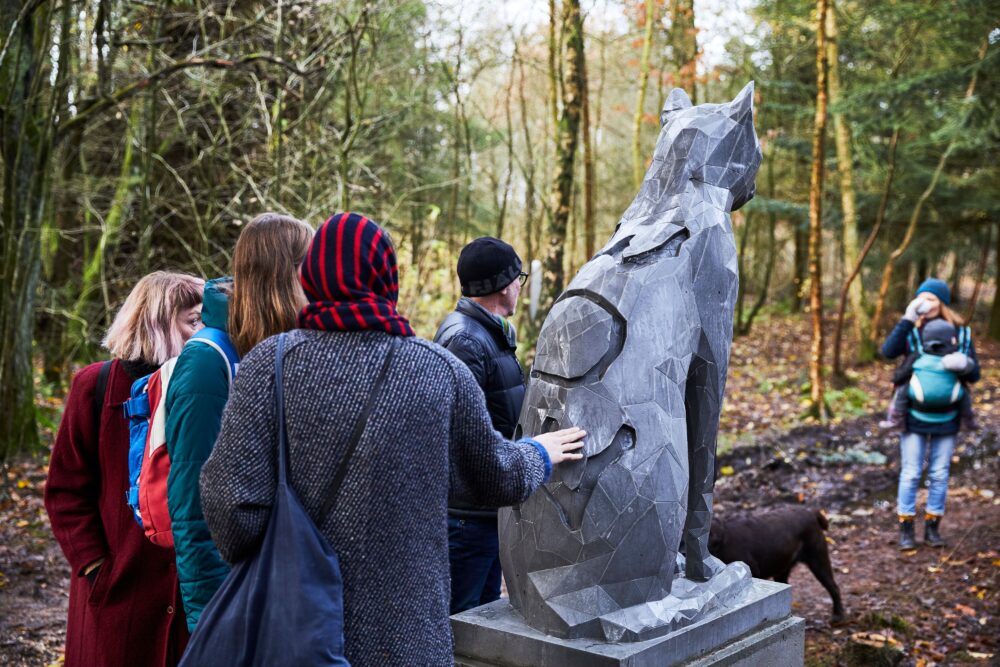
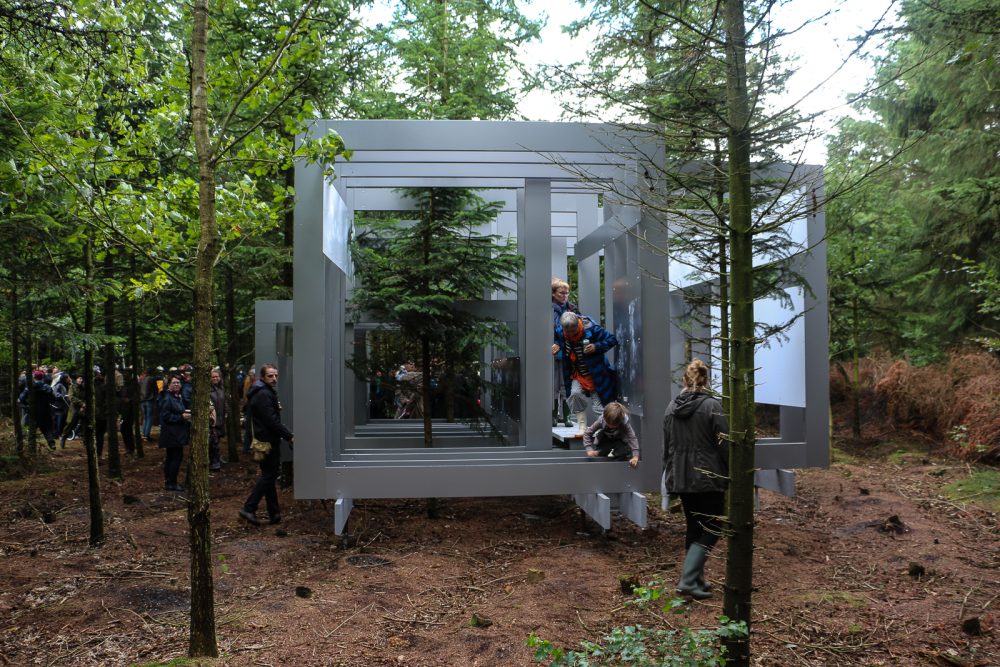
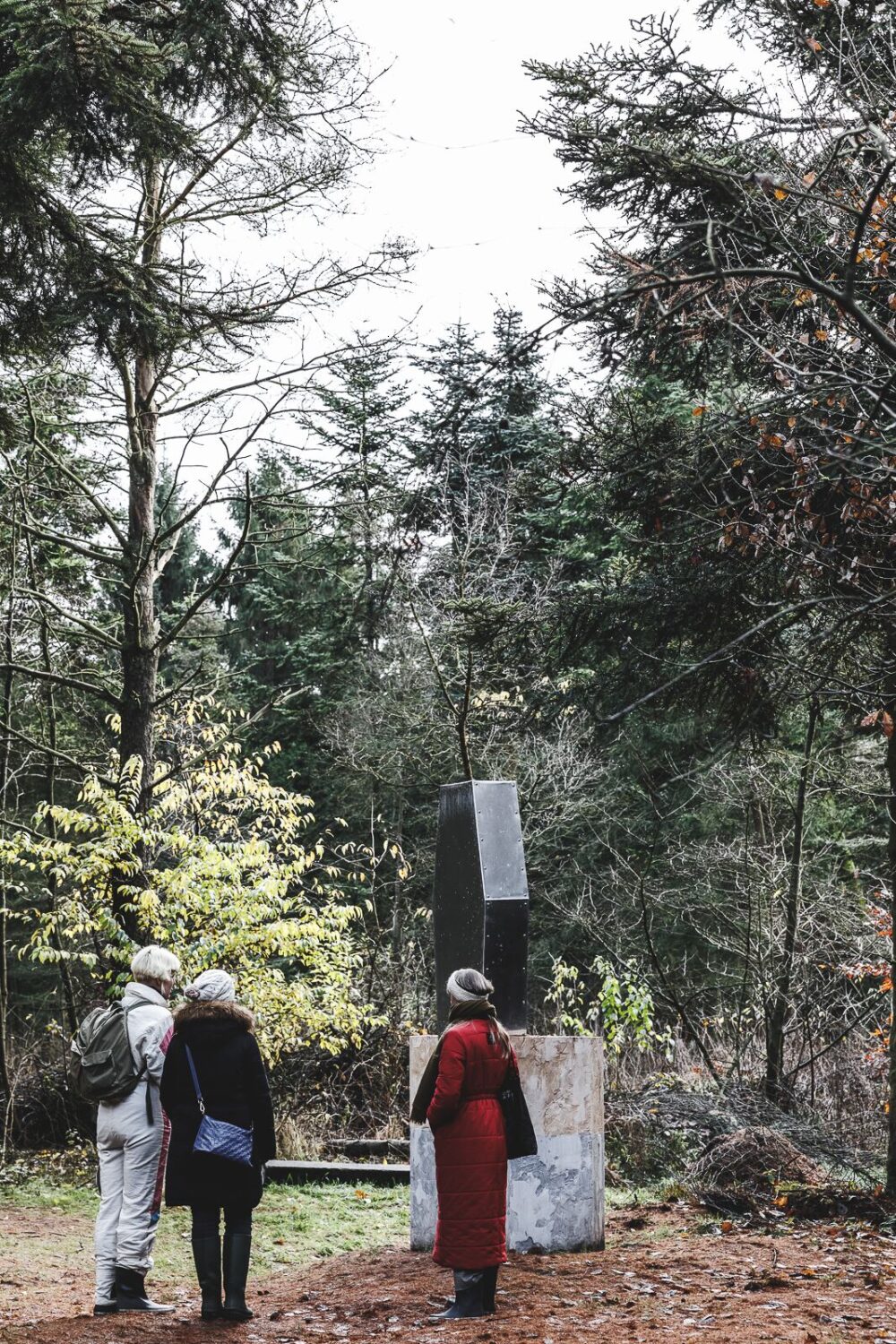
Here you’ll find works of art and sculptures that once had a life elsewhere. Some are easy to spot, while others are hidden among the trees, moss, and forest floor.
The area was created as a place where works of art can continue their story, while nature slowly leaves its own mark. The Sculpture Cemetery is therefore both a collection of artworks and a changing landscape.
The area is under development
The Sculpture Cemetery is a long-term project that continues to evolve.
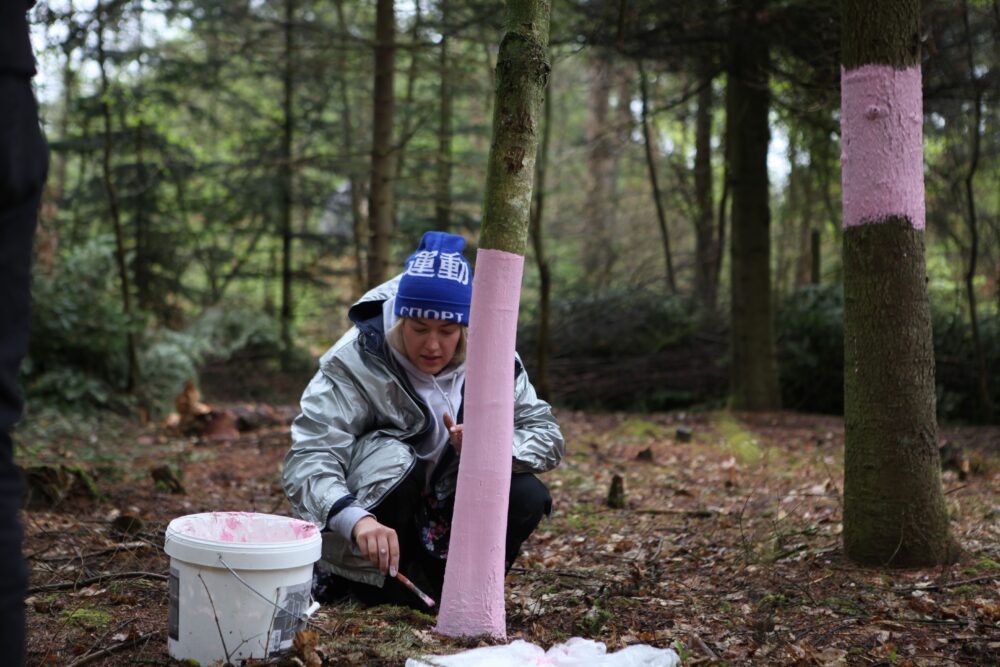
Right now, the area is going through a particularly active phase. New works of art are being installed, others are finding their final locations, and the landscape continues to evolve. At the topping-out ceremony on August 15, 2026 , we will mark another step in the area’s development with the unveiling of several new works.
The Sculpture Cemetery will never be completely finished. Nature and art shape the area together, so every visit will offer new experiences. Below, you can explore the works of art that are part of the Sculpture Cemetery today, and further down, read more about the ideas behind the area.
Current Works
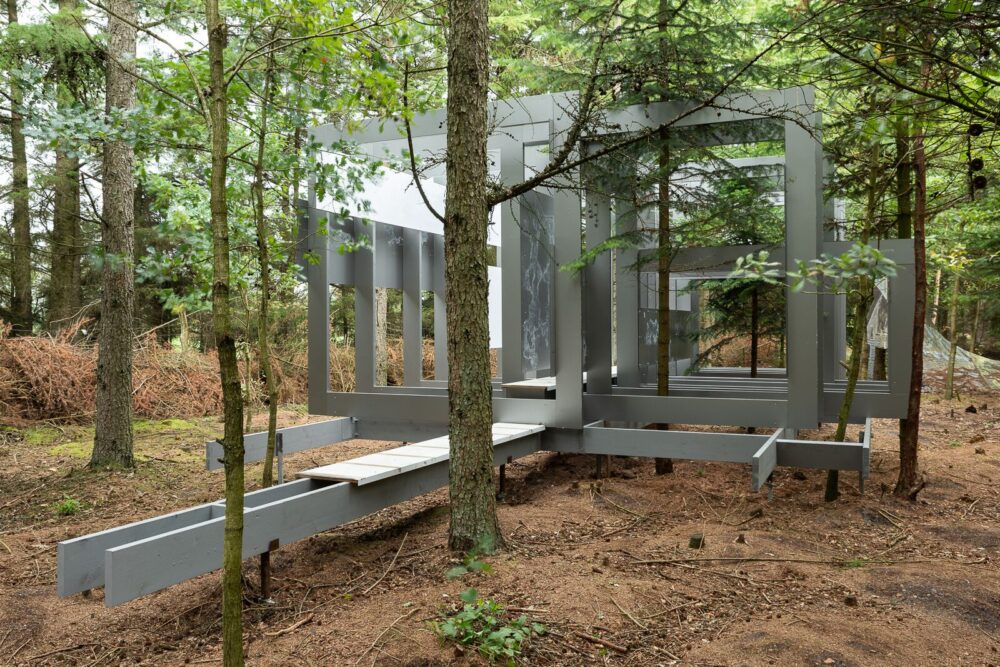
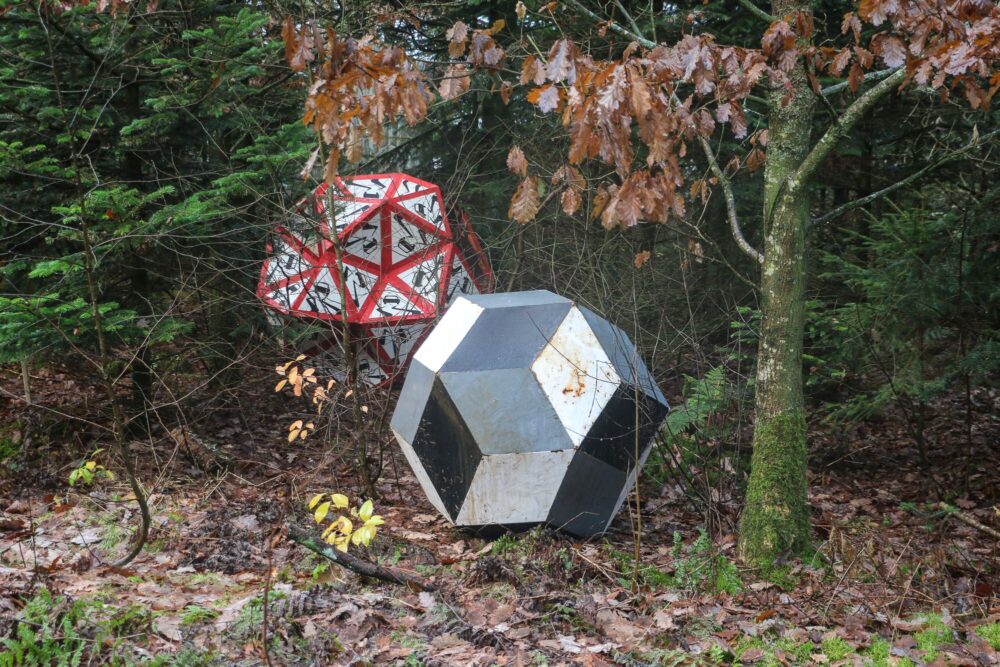
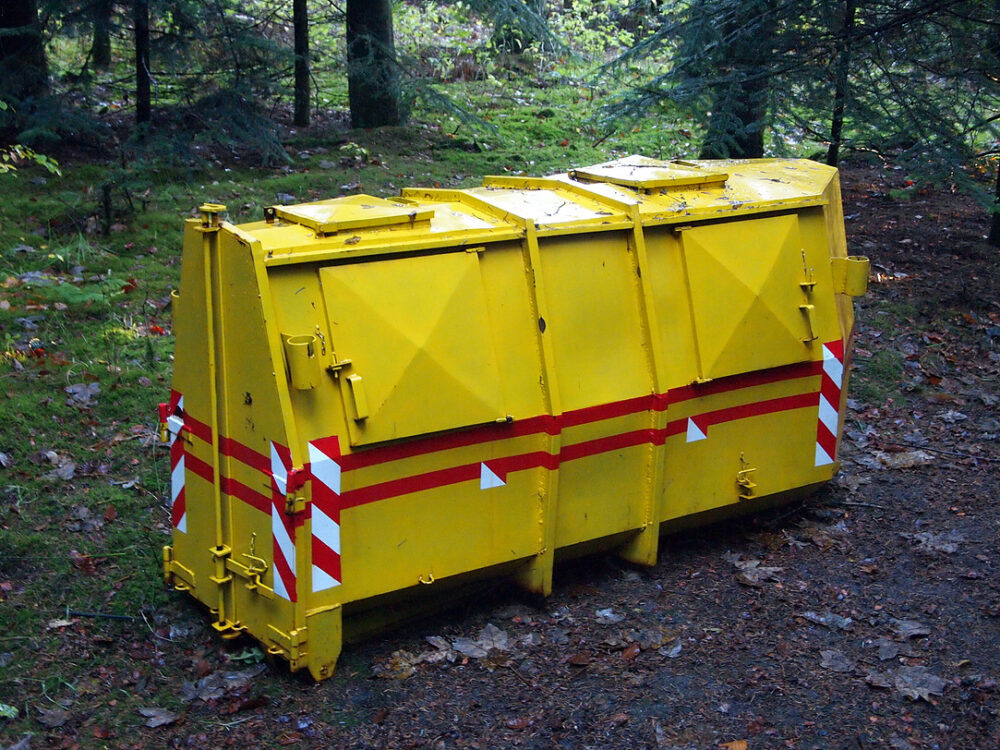
Previous Works
The Afterlife of Works of Art
Most works of art are created for a specific location or exhibition. But what happens when the exhibition closes, the work is moved, or it no longer has a place?
At the Sculpture Cemetery in Deep Forest Art Land, the works have the opportunity to continue their story.
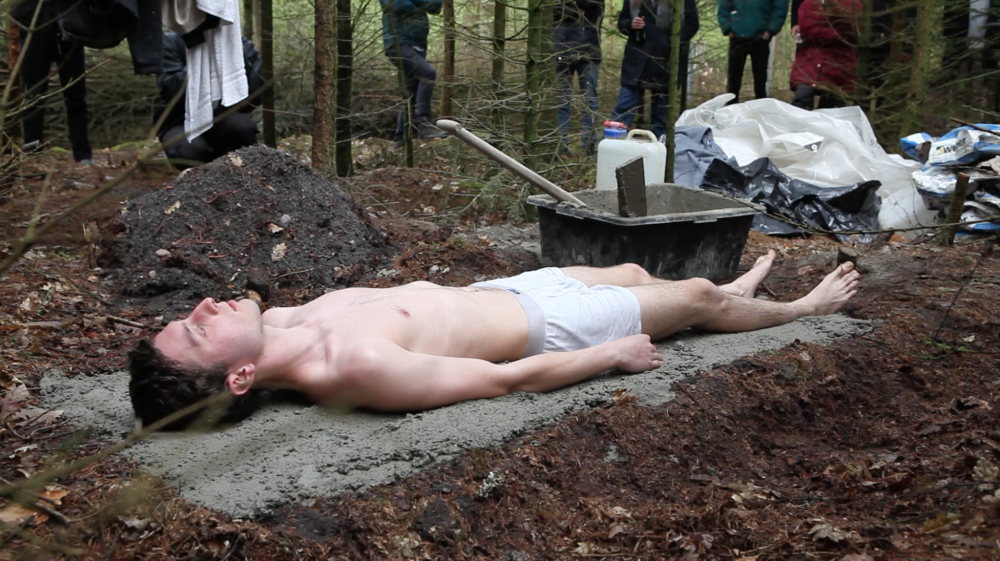
This is a collection of sculptures and works of art that have previously been displayed elsewhere. Some have been exhibited in museums and at exhibitions, while others have been displayed in public spaces or were part of private collections. What they all have in common is that they are beginning a new chapter in the forest.
The Sculpture Cemetery is not a storage facility. It is a place where the works can continue to be experienced as they slowly become part of the forest.
When Art Moves into the Forest
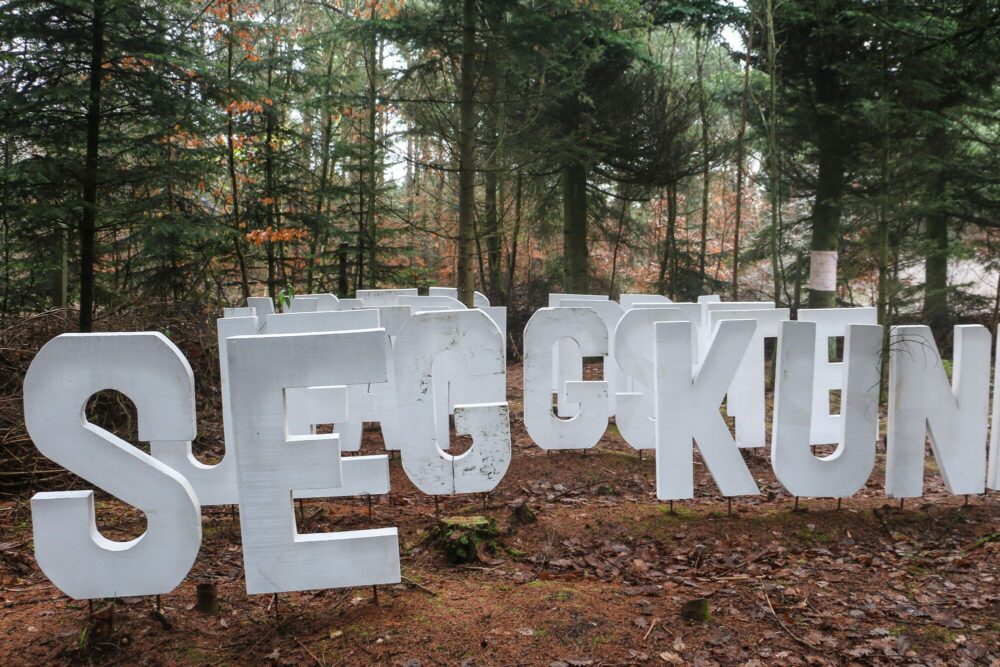
At the Sculpture Cemetery, nature is more than just a backdrop for the art.
Here, rain, frost, sunlight, moss, and vegetation are allowed to influence the artworks over time. Materials change, plants grow, and new traces emerge year after year.
While many places strive to preserve art in its original form, the Sculpture Cemetery takes the opposite approach. Here, change is part of the concept.
Over time, the artworks become part of the forest, while the forest becomes part of the artworks.
Building a ruin is a major undertaking
The idea for the Sculpture Cemetery was inspired, in part, by the Romantic garden cemeteries that emerged in Europe in the 1800s.
One of the best-known examples is Highgate Cemetery in London. The cemetery was originally designed as a modern burial ground with monuments, paths, and architectural features. Over time, nature took root among the graves, and the area evolved into a landscape where cultural history and vegetation blended together.
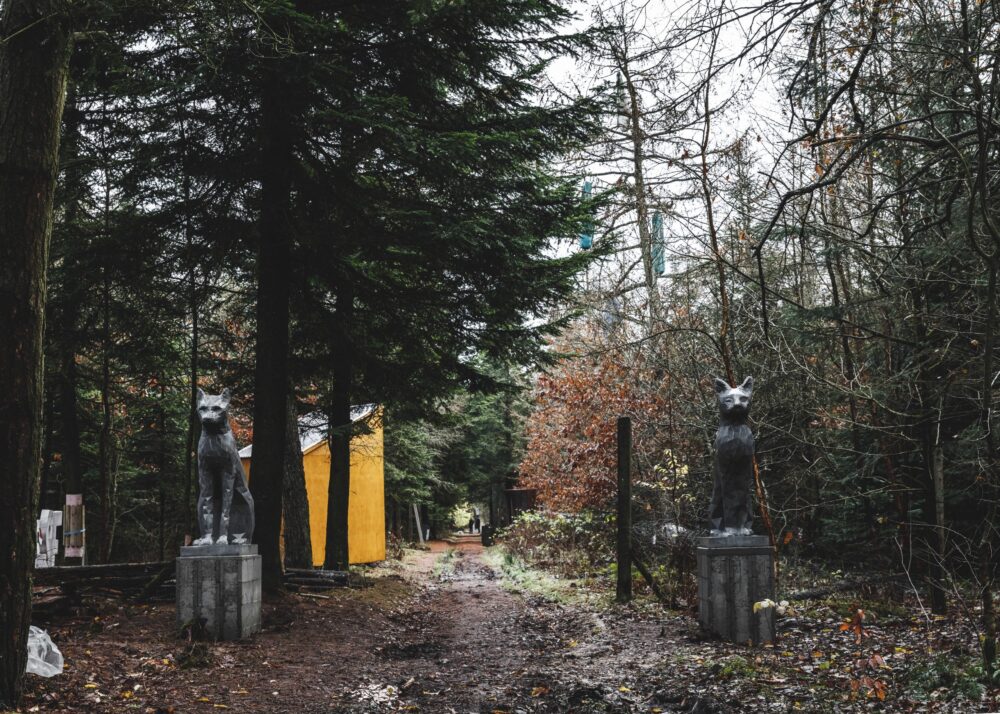
The location of the Sculpture Cemetery was chosen because there were already remnants of a fence that had originally been erected to protect newly planted trees from the voracious appetite of deer. Since then, the area has gradually been developed with paths, plantings, and sculptures.
Over time, the fences, paths, and landscaping should reach a stage where one gets the sense that this was once a cemetery.
Building a state of disrepair—building a ruin—is a massive undertaking.
Works on Their Final Journey
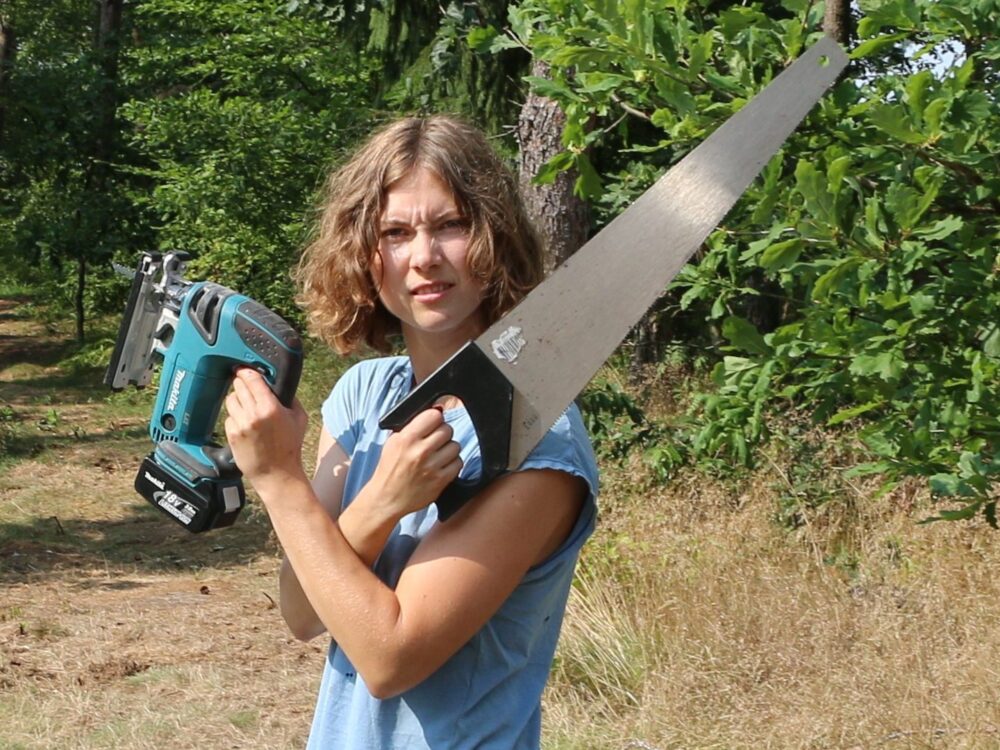
The Sculpture Cemetery features works donated by professional artists from near and far. New pieces are added on an ongoing basis.
When the first artists were invited to contribute to the area, the invitation read:
Do you have a sculpture that's ready for its final journey?
A sculpture that was never exhibited?
One that was never finished?
An object that may never have lived up to your expectations?
Is the space too cramped?
The Sculpture Cemetery is made up of works that have already had a life of their own. Works that have traveled through exhibitions, studios, urban spaces, and collections before finding their way to the forest.
We are building ruins for the future out of sculptures and works of art—works that have encountered people in many different contexts, but which are now continuing their journey in a new place.
This project would not exist without the artists who have chosen to donate their works to the Sculpture Cemetery.
It takes generosity. And it takes courage.
The Sculpture Cemetery continues to grow
The Sculpture Cemetery is not a finished collection, but an area that has been evolving over many years.
New works are continually becoming part of the site, while existing works change character as they interact with rain, frost, moss, and vegetation. Nature is not merely a setting for the art—it is a co-creator.
That is why no two visits to the Sculpture Cemetery will be exactly the same. The area is constantly changing.