The Sculptor's Garden
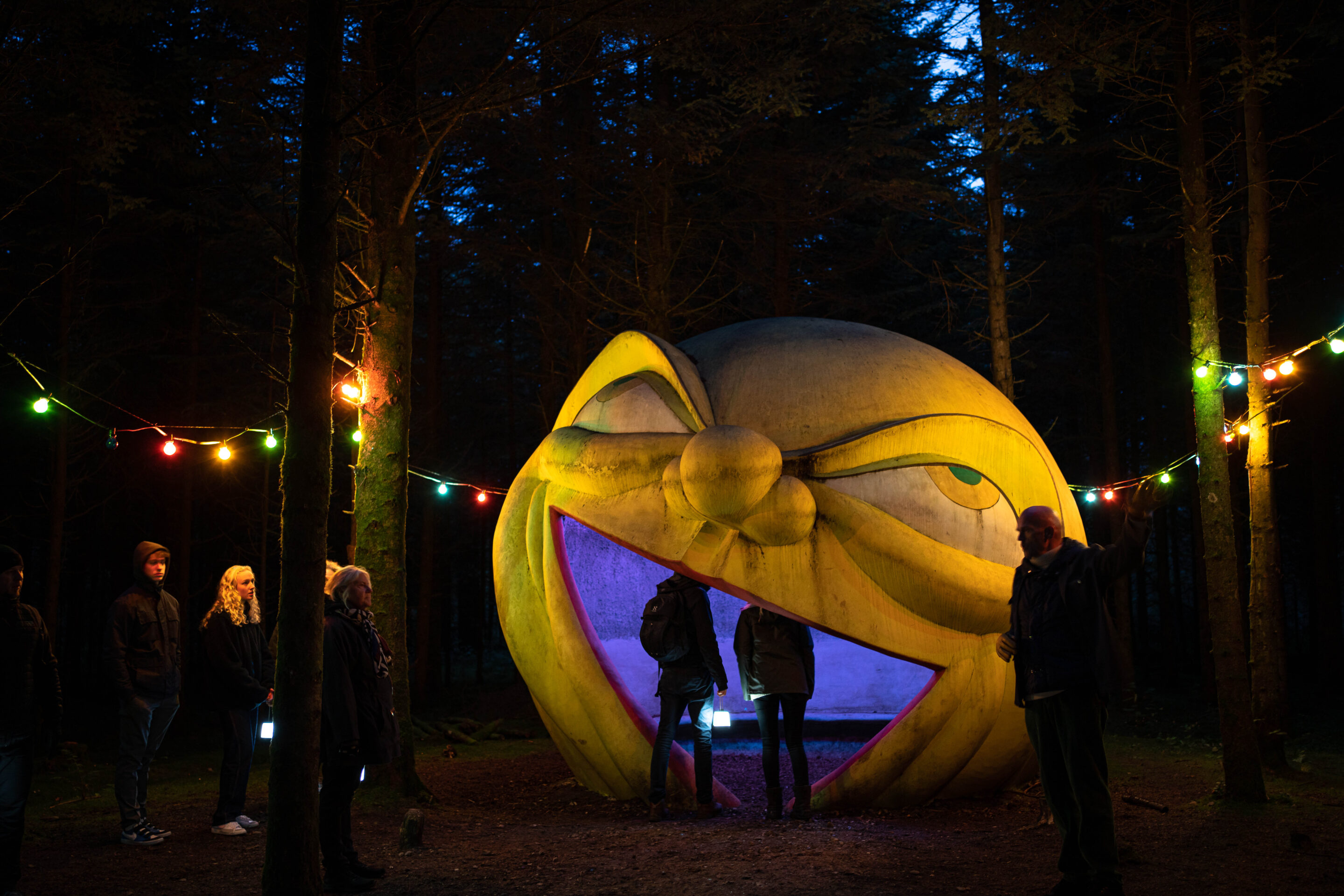
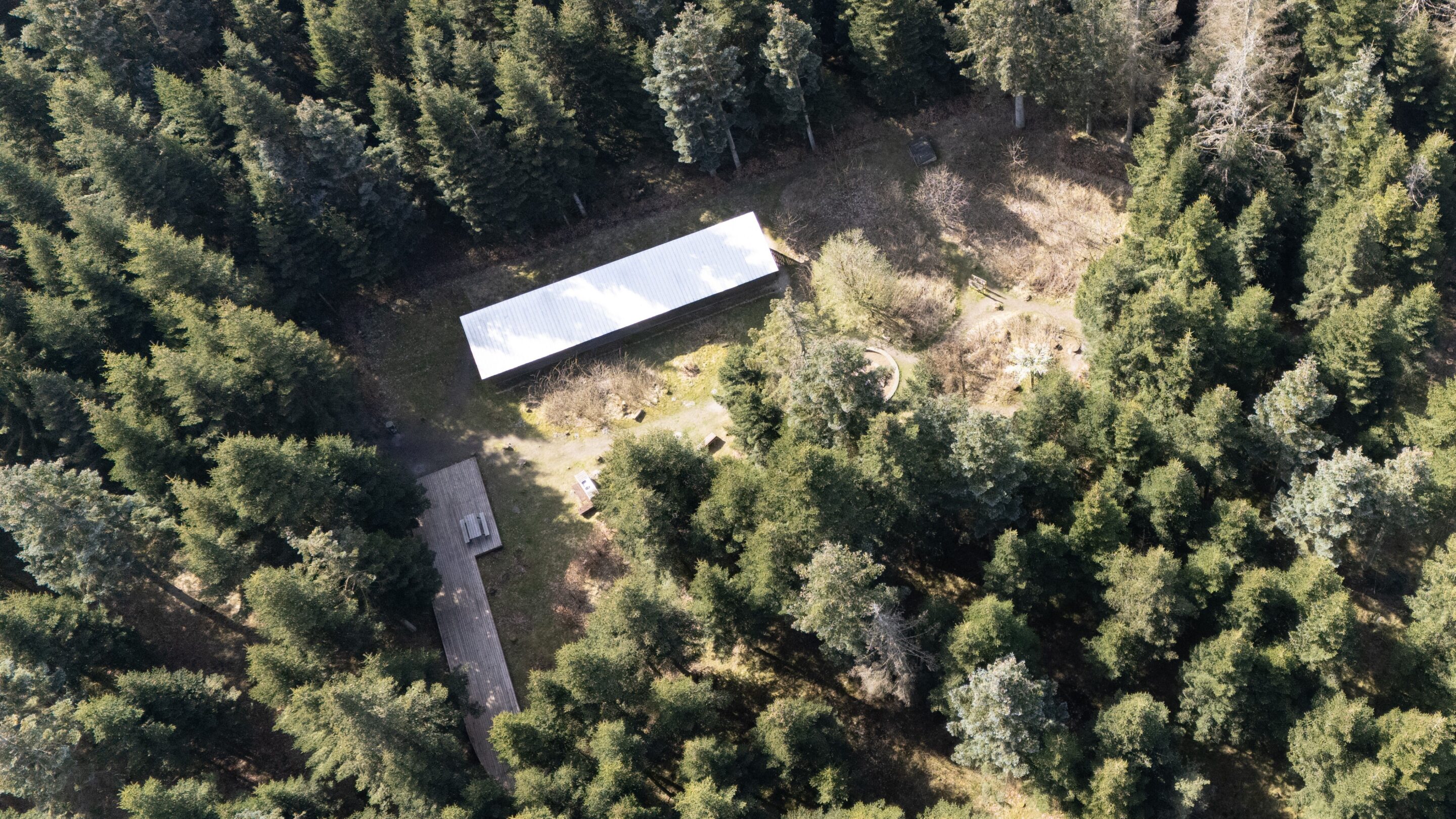
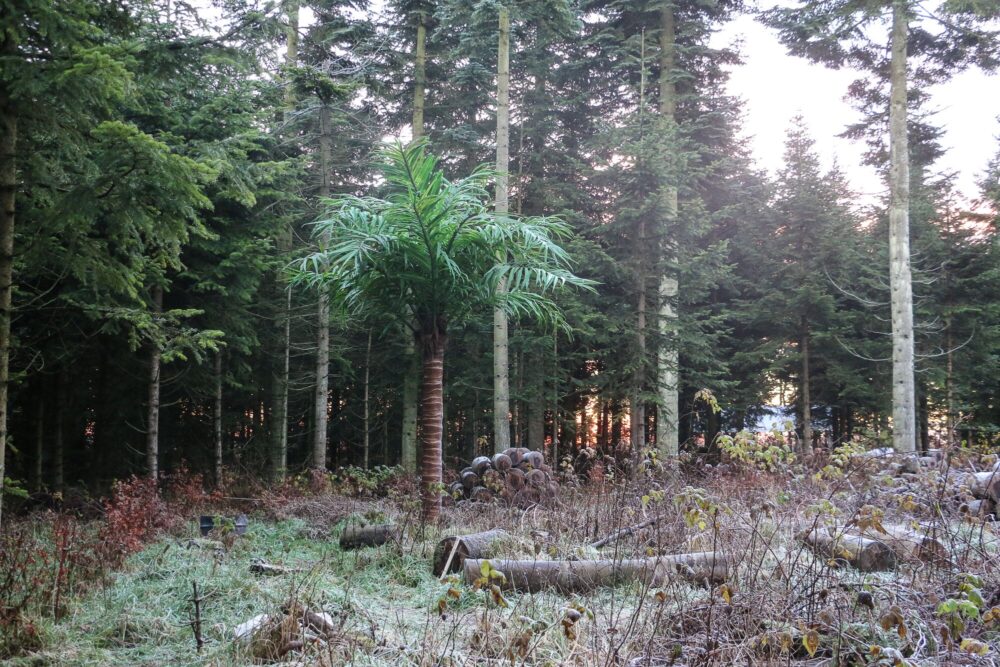
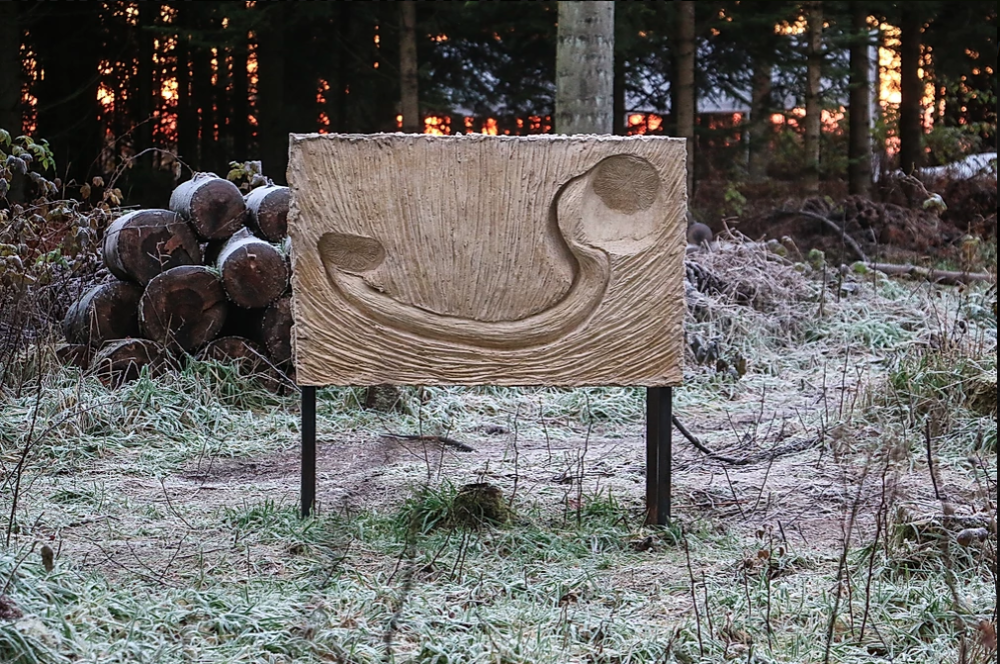
Surrounded by a beech hedge and featuring a covered pavilion, this spot forms a special clearing among the trees. Here, you can take a break, eat your packed lunch, or explore the artworks and traces that have been created here over the years.
The Sculptors’ Garden is also a place where artists work and gather—and one of the places in Deep Forest Art Land where the forest most clearly reveals itself as both nature and a studio.
Works
An Open Space for Art
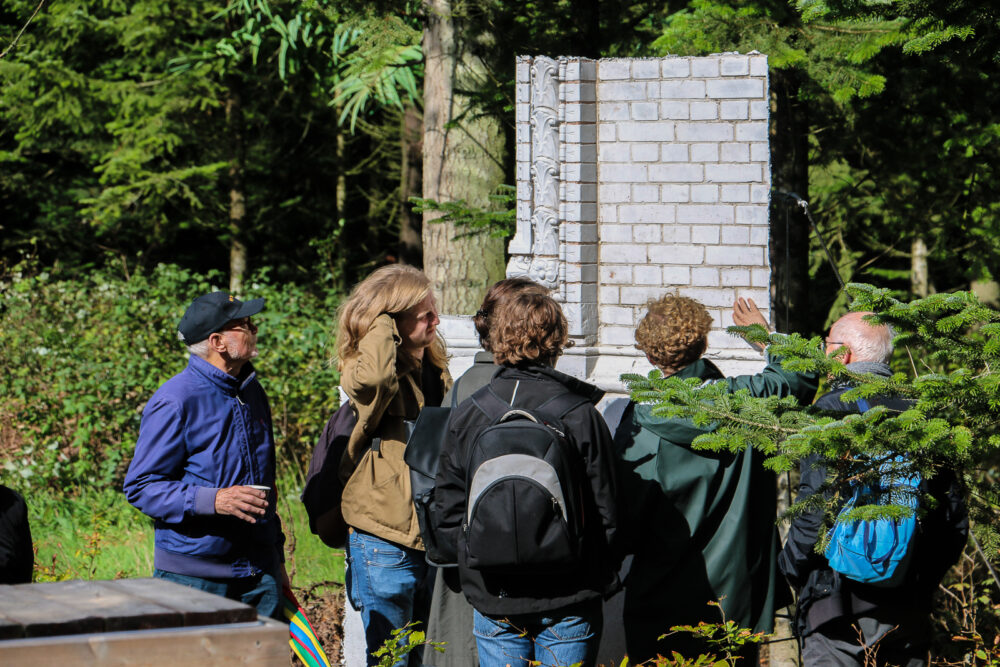
The clearing in the forest is no accident. It is a garden shaped like another garden—a precise 1:1 replica of the Sculptors’ Garden at Charlottenborg in Copenhagen, the Royal Danish Academy of Fine Arts’ historic sculpture garden, which has served as a living studio for generations of sculpture students since the 1870s.
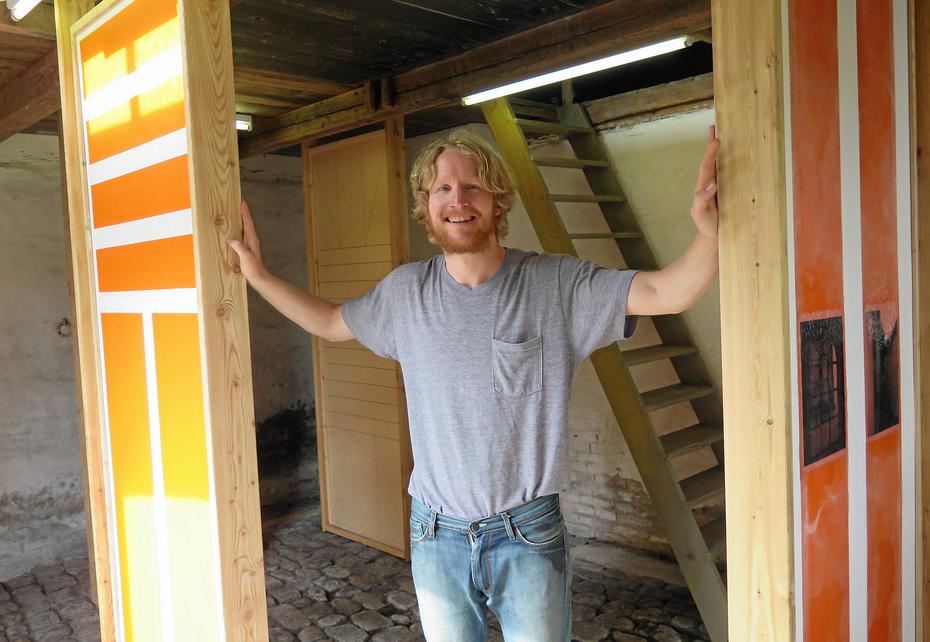
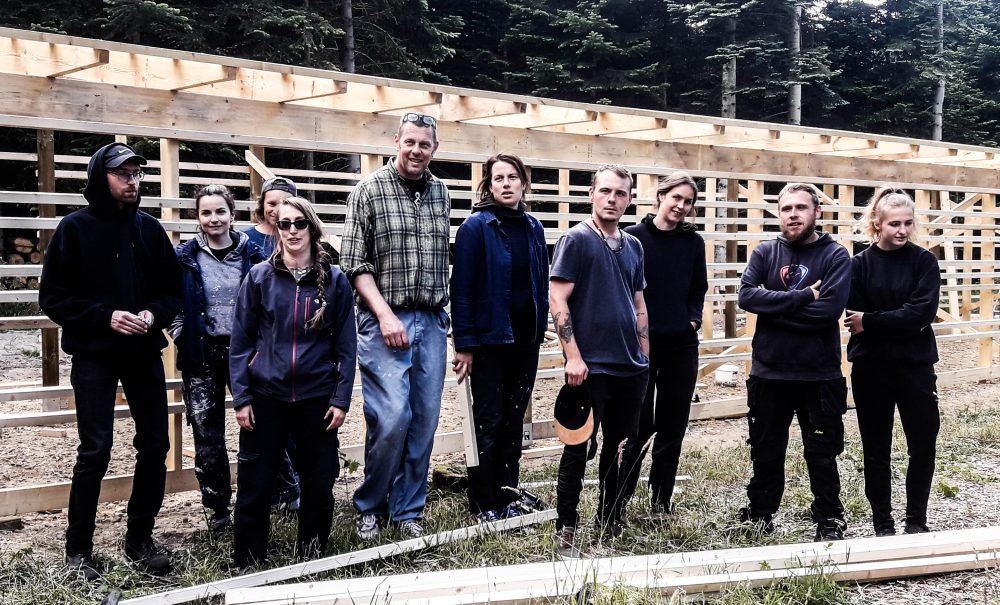
The reproduction was created in 2016 by students from the School of Sculpture at the Royal Danish Academy of Fine Arts in collaboration with Deep Forest Art Land. They cleared an area among the trees, marked out the floor plan, and built the pavilion—thereby creating a mirror: The institutional, enclosed space at Charlottenborg opened up into a forest in Central Jutland and became a place where everyone is welcome.
The idea behind it is simple and ambitious at the same time. The Sculpture Garden at Deep Forest Art Land is not a finished work of art, but a space of possibilities—a platform that artists, students, and everyone else can make use of. Workshops, residencies, sculpture exhibitions, and long days spent alone working on a project: Everything is possible here.
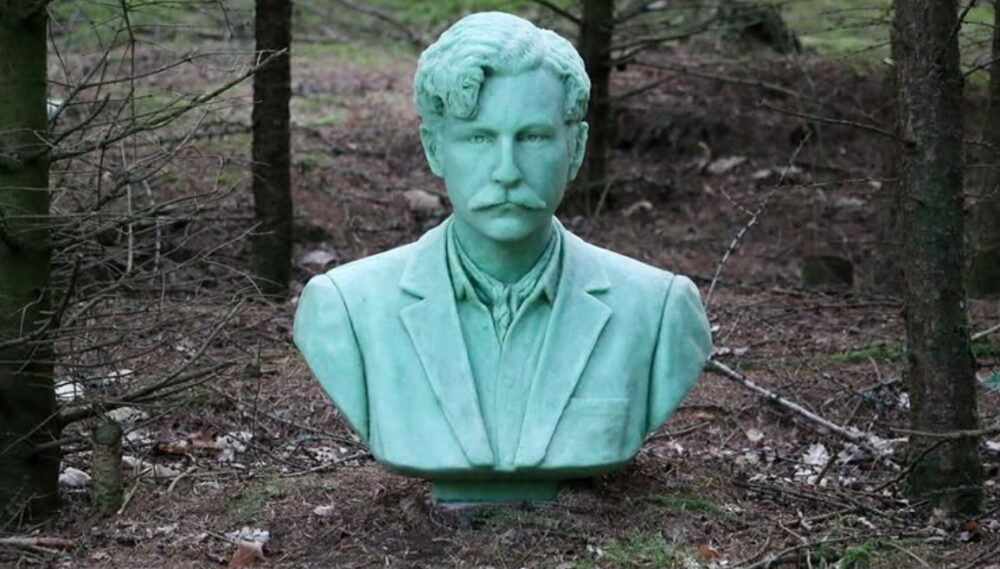
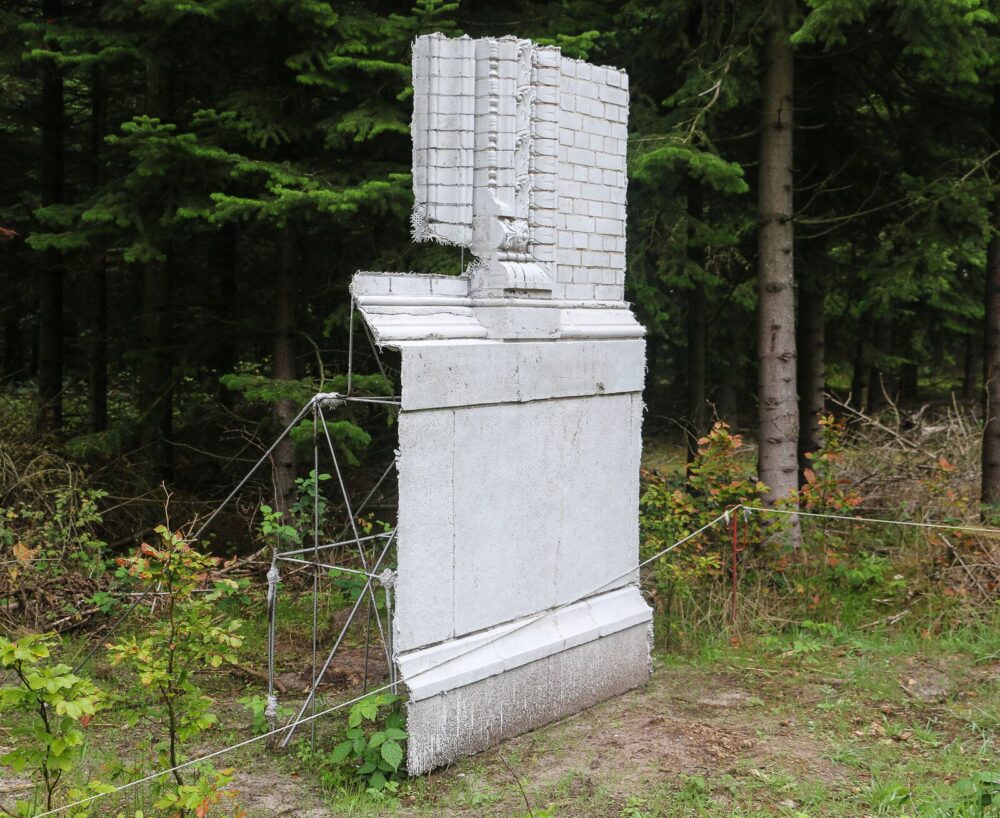
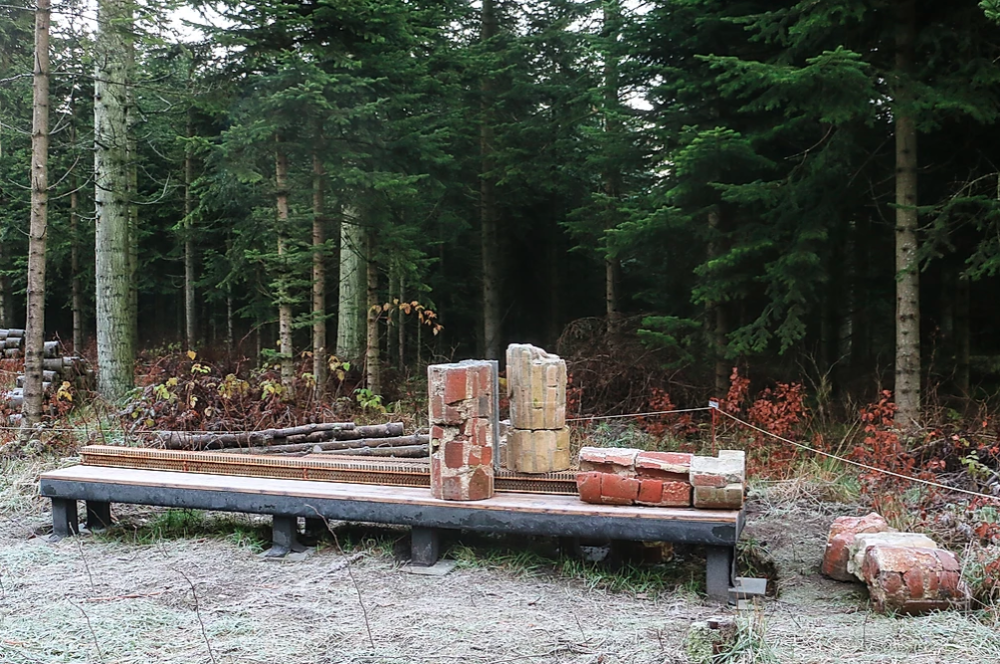
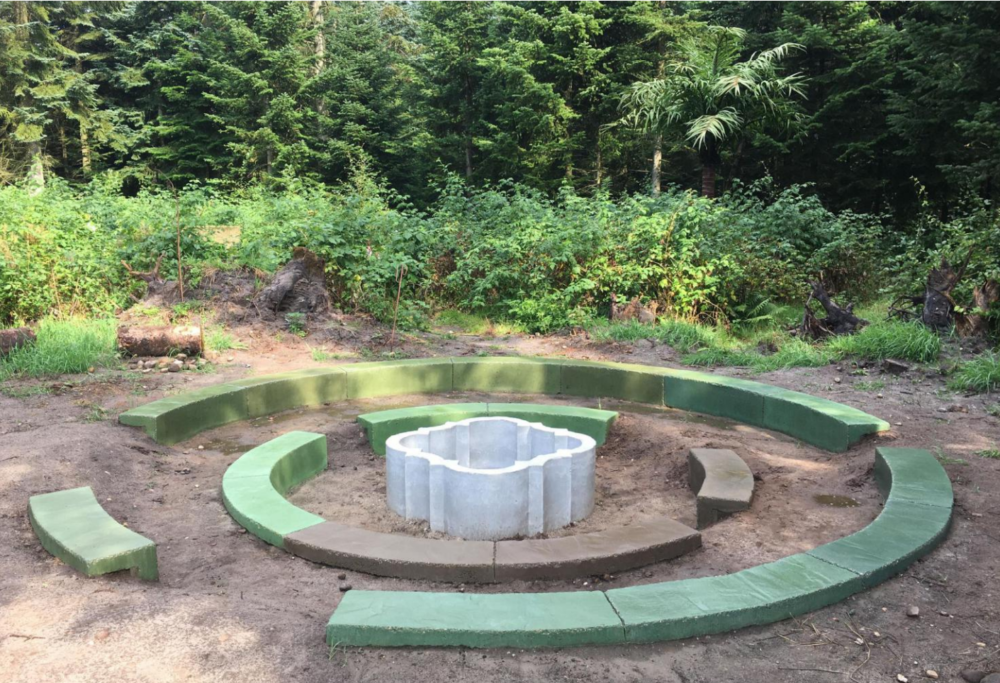
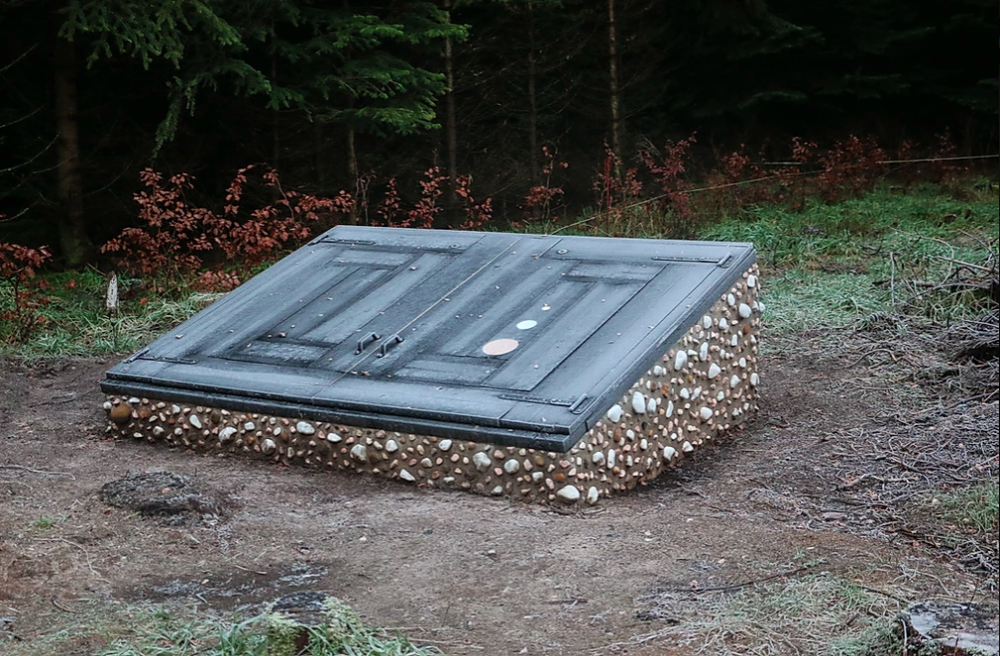
Today, you can explore the garden with its hedge, pavilion, and the sculptures that have been left behind or created on site over time. The garden is self-organized and open to the public: there are no tickets and no guides. The place speaks for itself—and awaits what you bring with you.
What is a sculptor's garden?
Working with sculptures sometimes means that the works are heavy, large, and require space—both to be created and to be displayed. For many sculptors, the studio and the outdoor workspace are inextricably linked, and the term “sculptor’s garden” describes exactly that: a defined outdoor space that serves as a production site, storage area, exhibition space, and discussion area all at once.
The tradition at Charlottenborg dates back more than 130 years. Generations of students have carved, cast, experimented, and discussed in the garden—and it still bears traces of all those who have worked there. It is not a museum, but a living place that is constantly changing. The Sculpture Garden at Deep Forest Art Land is based on the same principle: a place that is never finished, but always in motion.
The Idea Behind Reproduction—A Negative Imprint
When students from the School of Sculpture at the Royal Danish Academy of Fine Arts began marking out the Sculpture Garden “Skovsnogen” in 2016, it wasn’t just a construction project—it was an exploration of what happens when a space is moved from one context to a completely different one.
The Sculpture Garden at Charlottenborg is government-owned and closed to the public. The Sculpture Garden at Deep Forest Art Land is open to everyone. The two spaces mirror and contradict each other—and in that tension, something new emerges. By recreating the form in a forest in central Jutland, the space opens up: the same physical layout takes on a different meaning when surrounded by trees instead of bricks, and by everyone instead of just a few.
"Reproduction" is a platform. It is the distance between Copenhagen and Herning, between the institution and nature, between the known and the unknown—embodied in the form of a beech hedge and a pavilion in the forest.
Billedehuggerhaven was established with support from, among others, the Roskilde Festival Foundation.