Nordskoven
Nordskoven is the name given to the part of Deep Forest Art Land located north of Døvling Bæk.
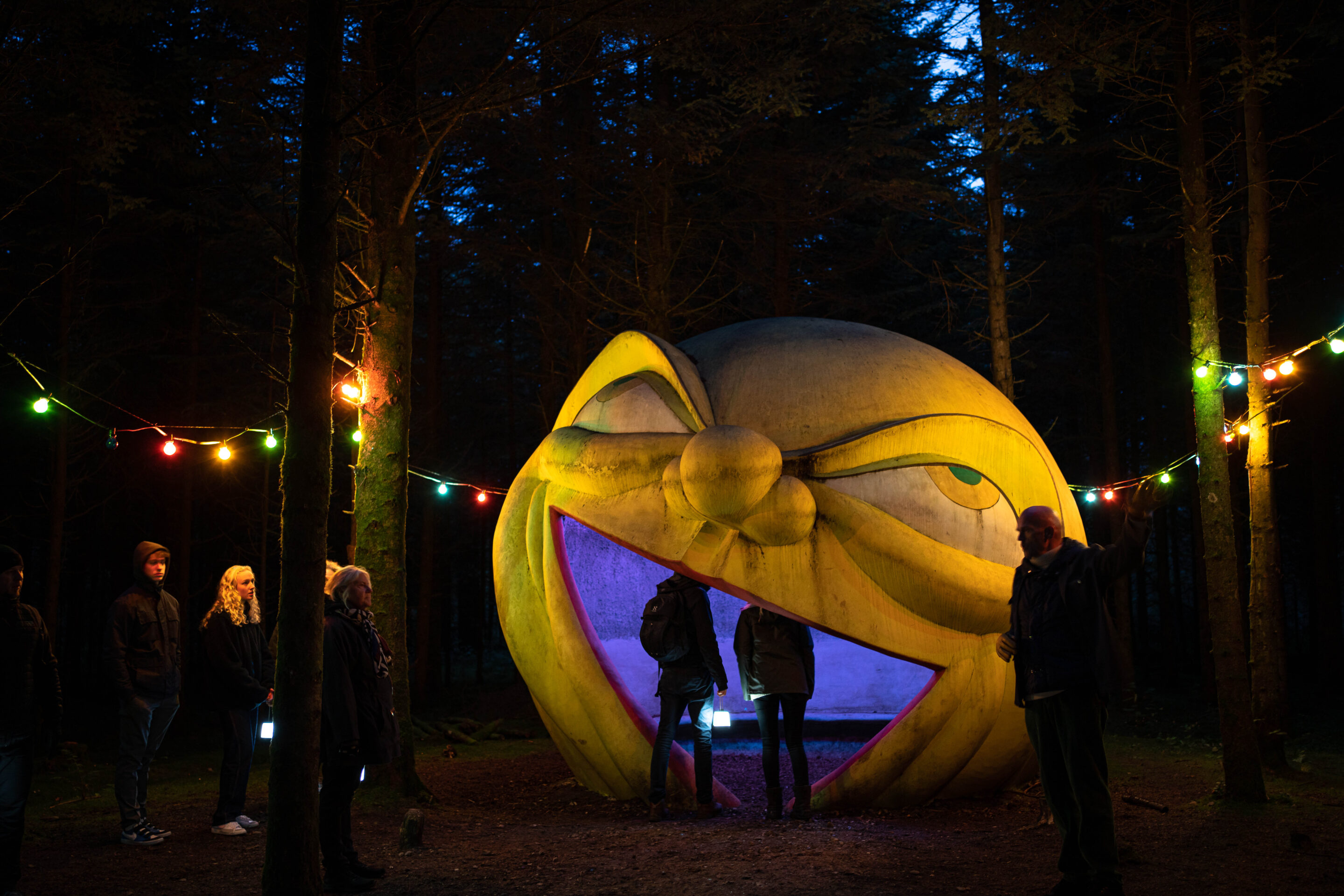
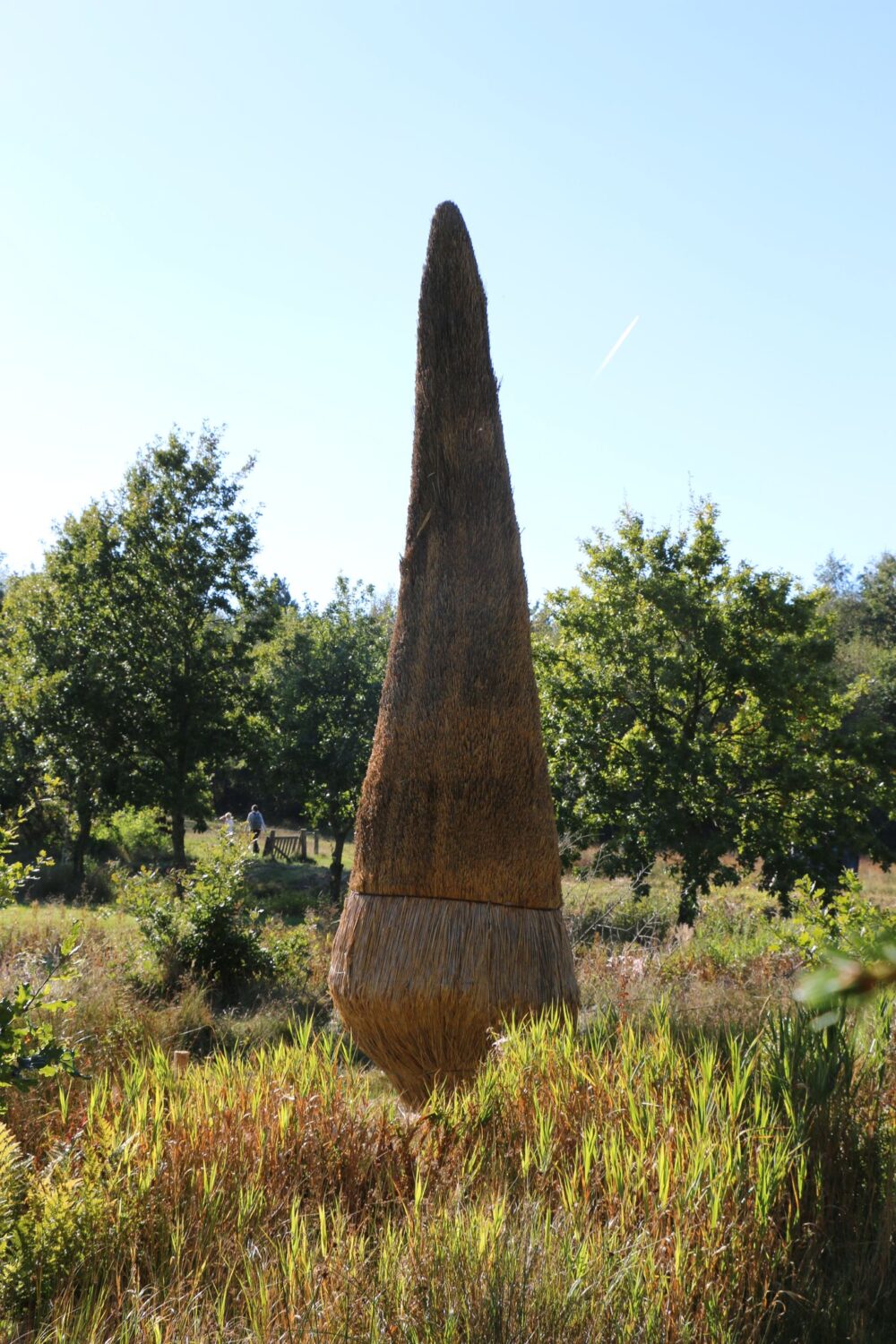
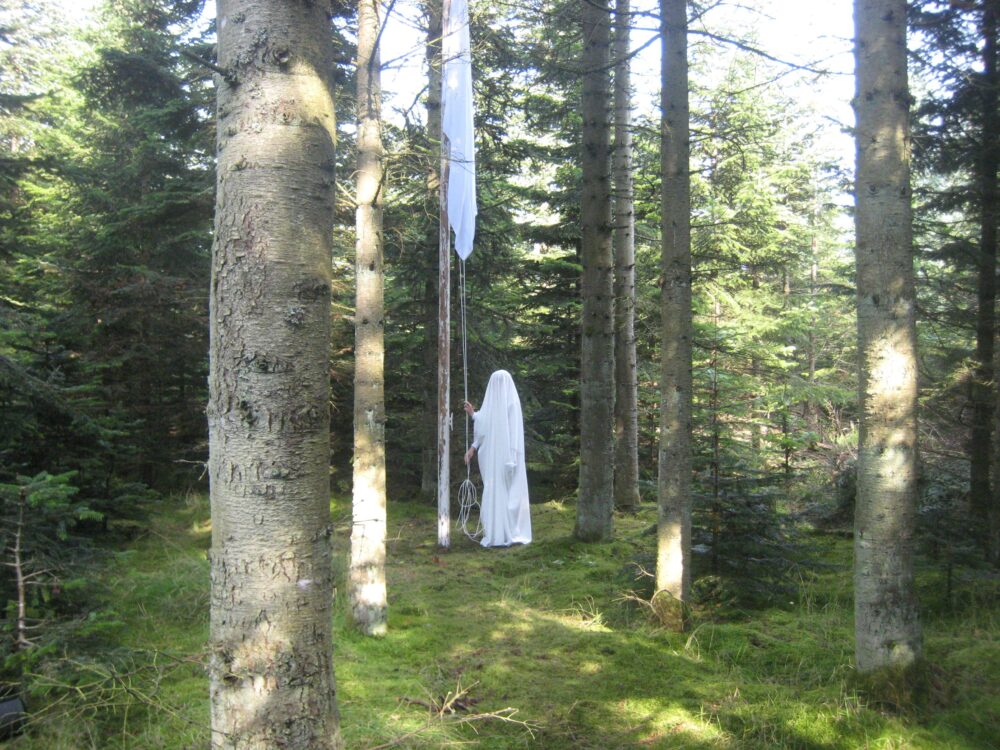
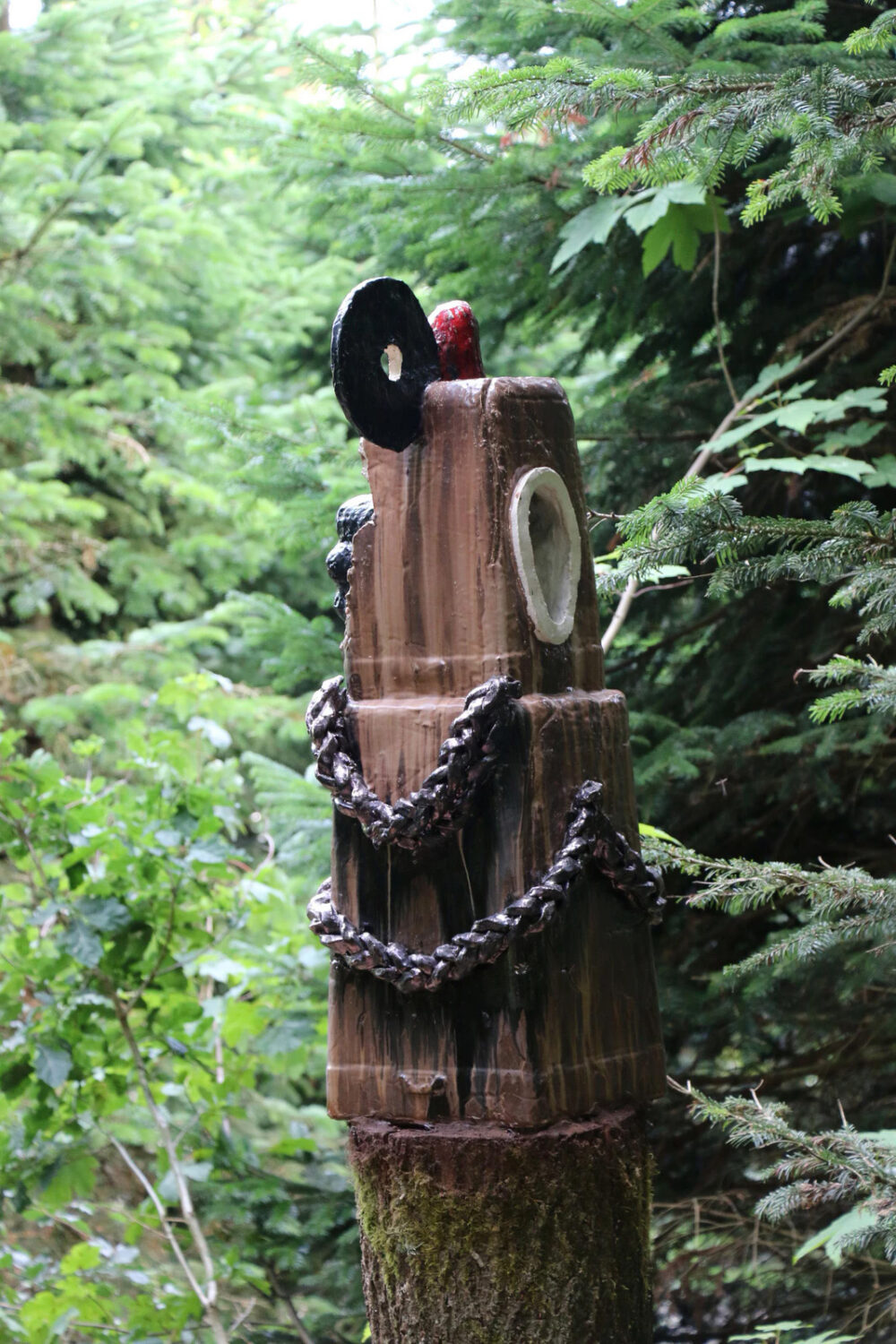
Here you’ll find a varied landscape featuring works of art, forest trails, open forest glades, and special spots that invite you to play, relax, and reflect.
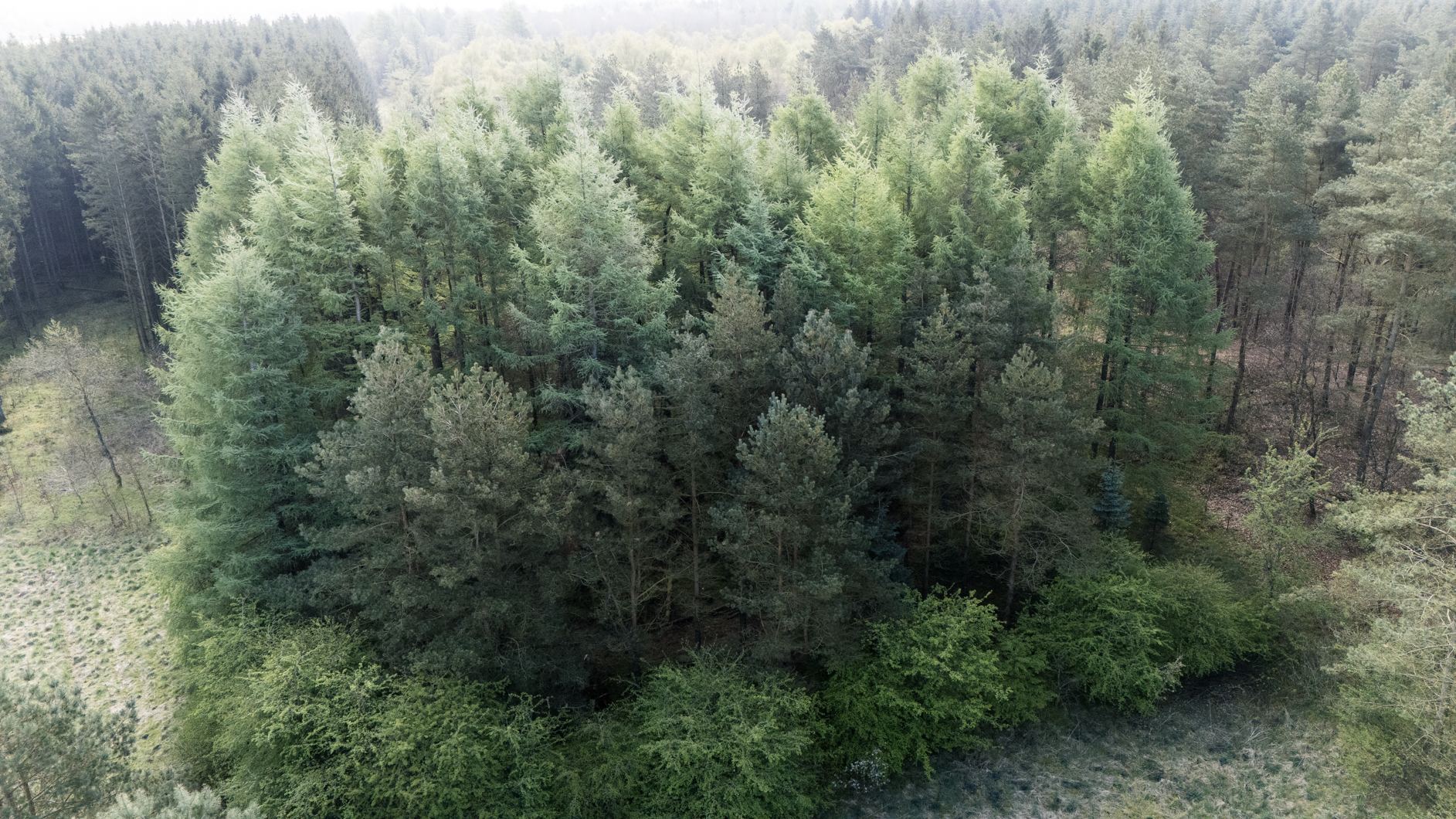
Nordskoven is located on the edge of a hill island, which is one of Denmark’s oldest landscape types and offers some of the forest’s most varied experiences.
Current Works
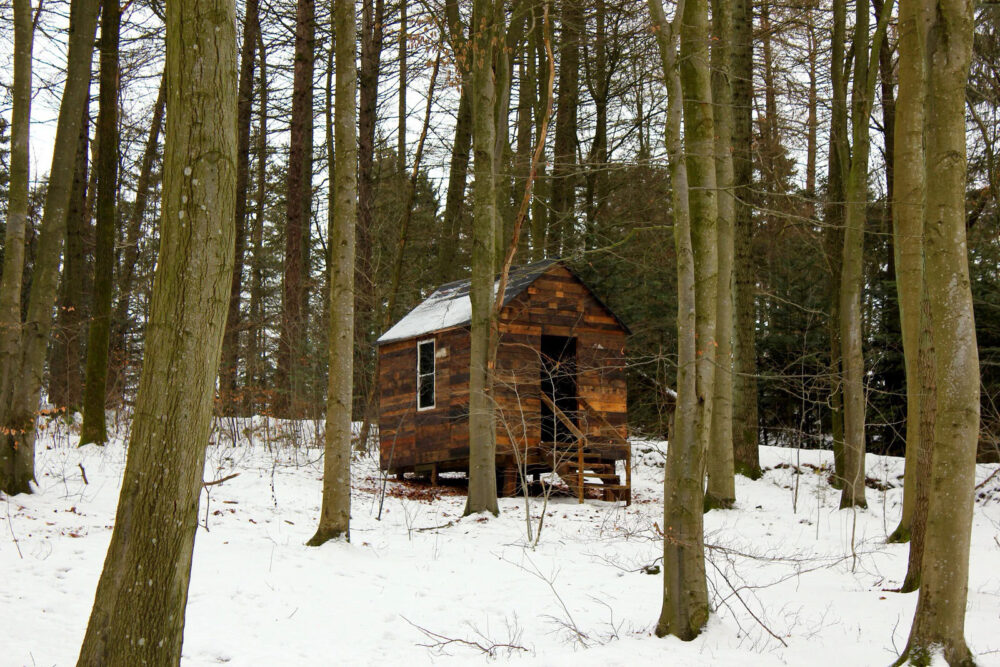
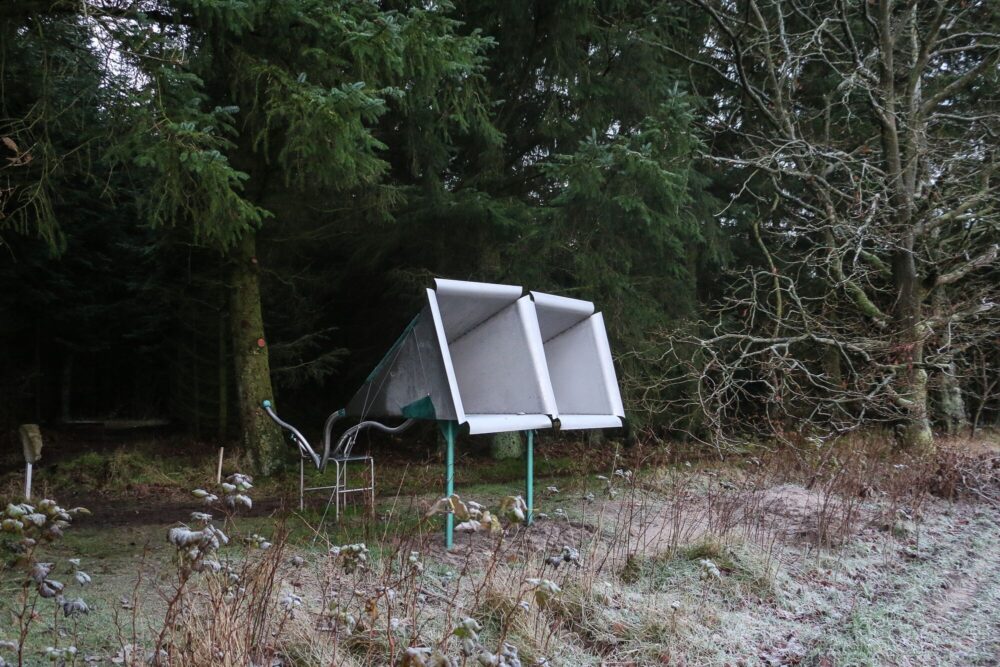
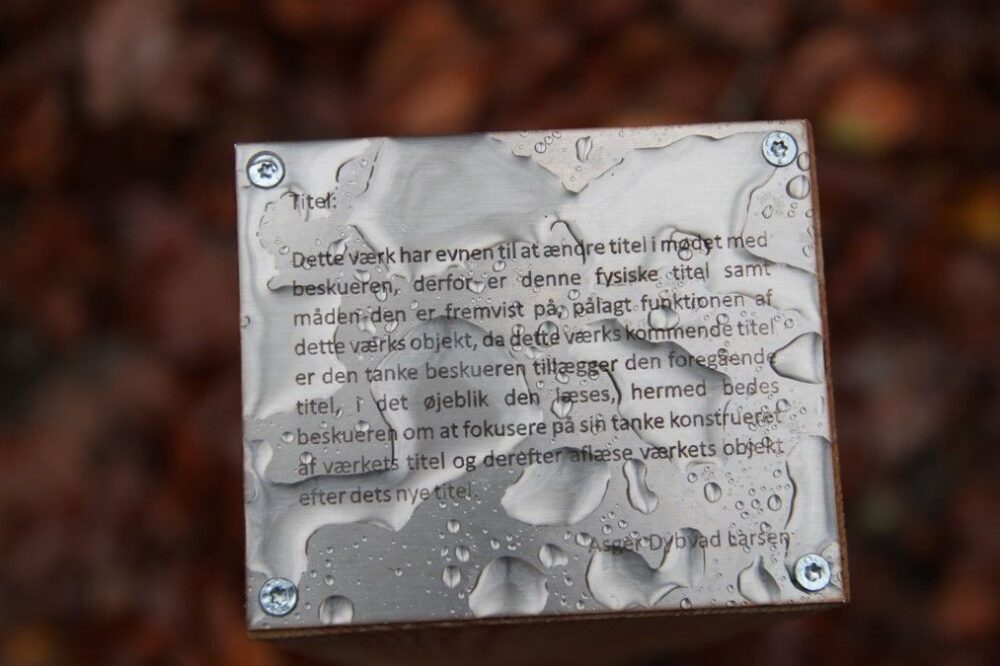
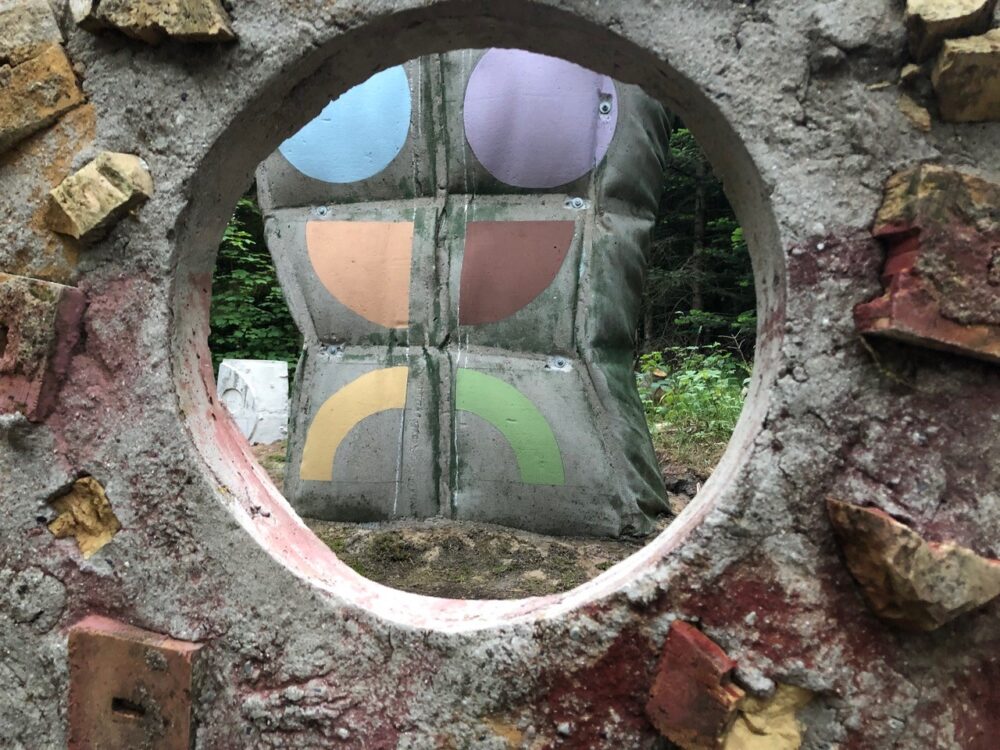
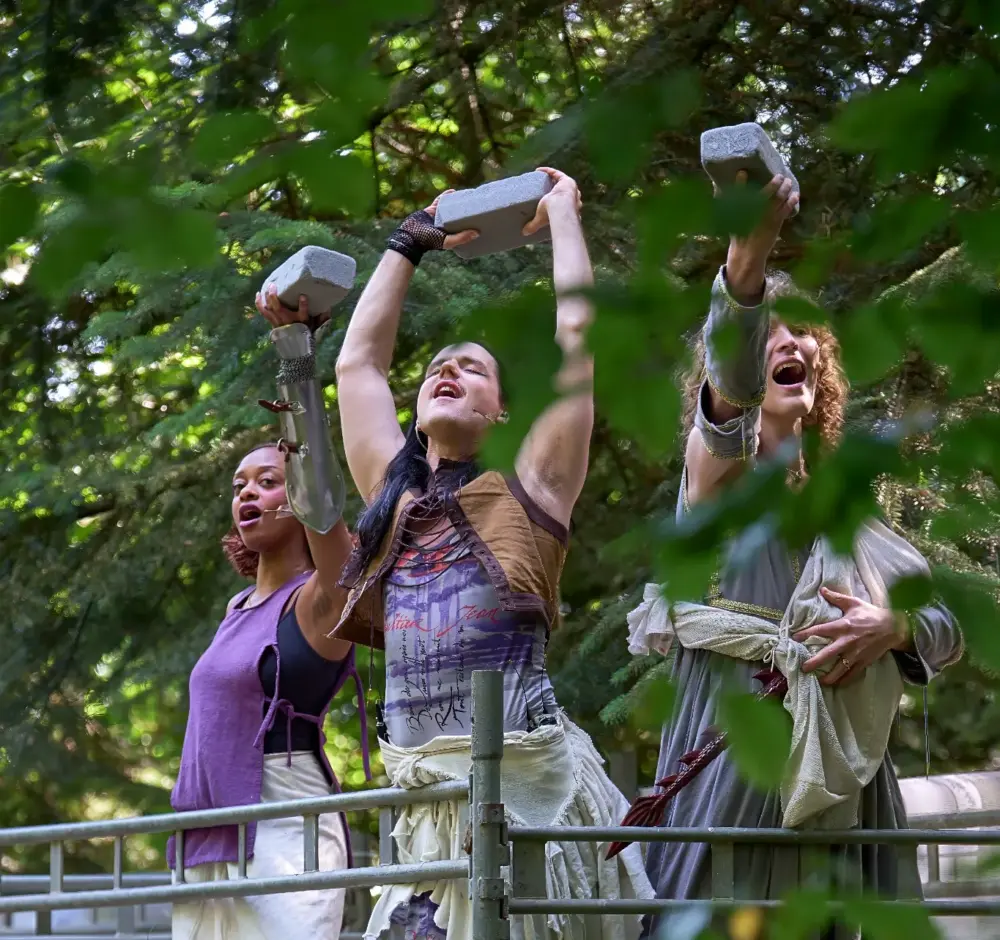
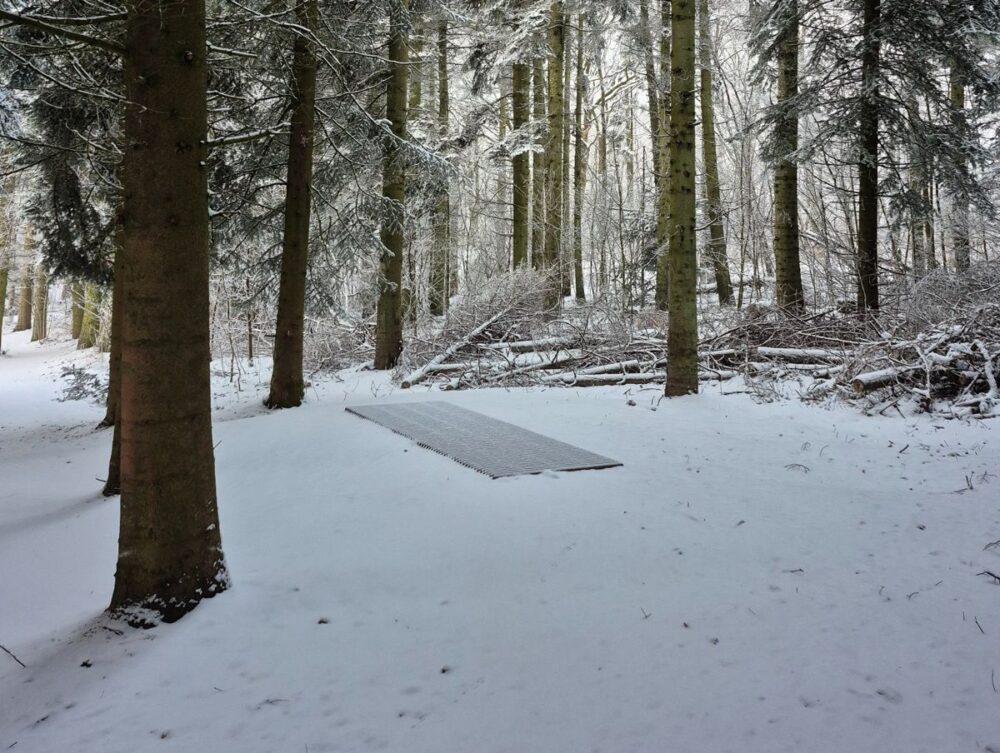
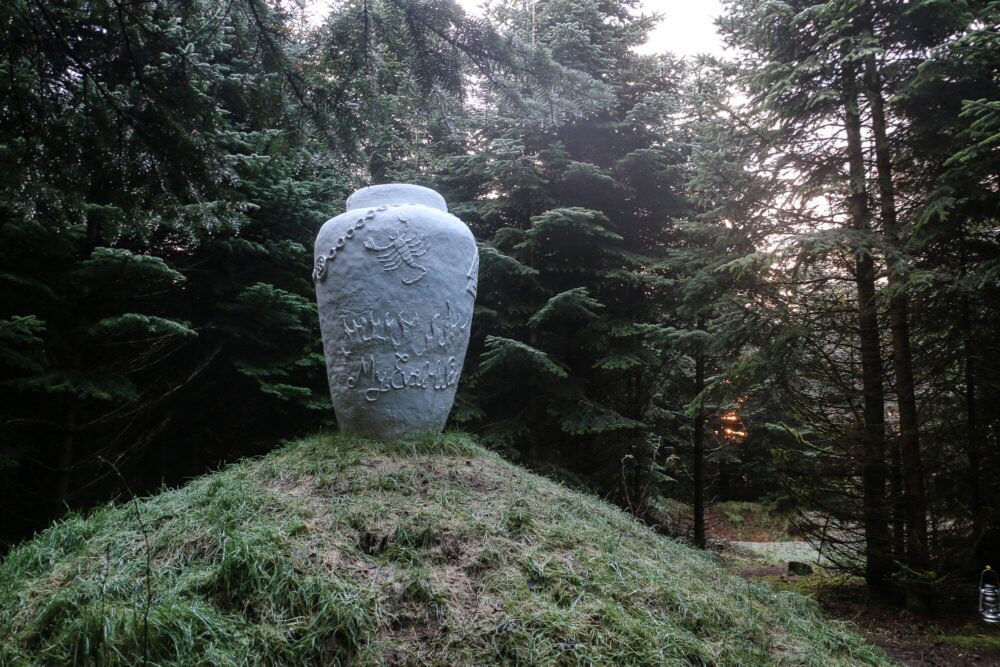
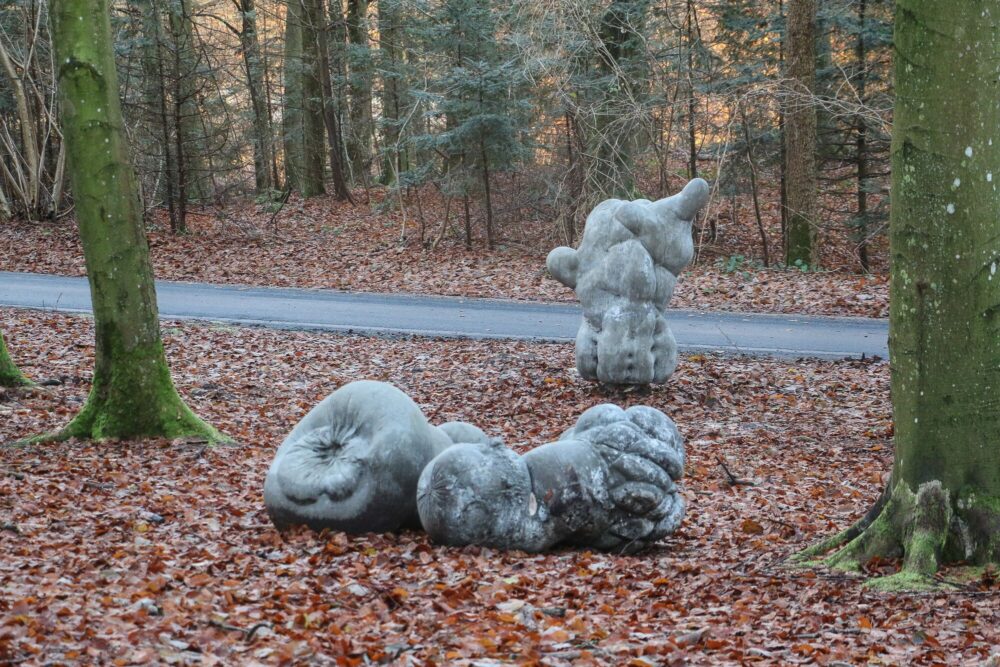
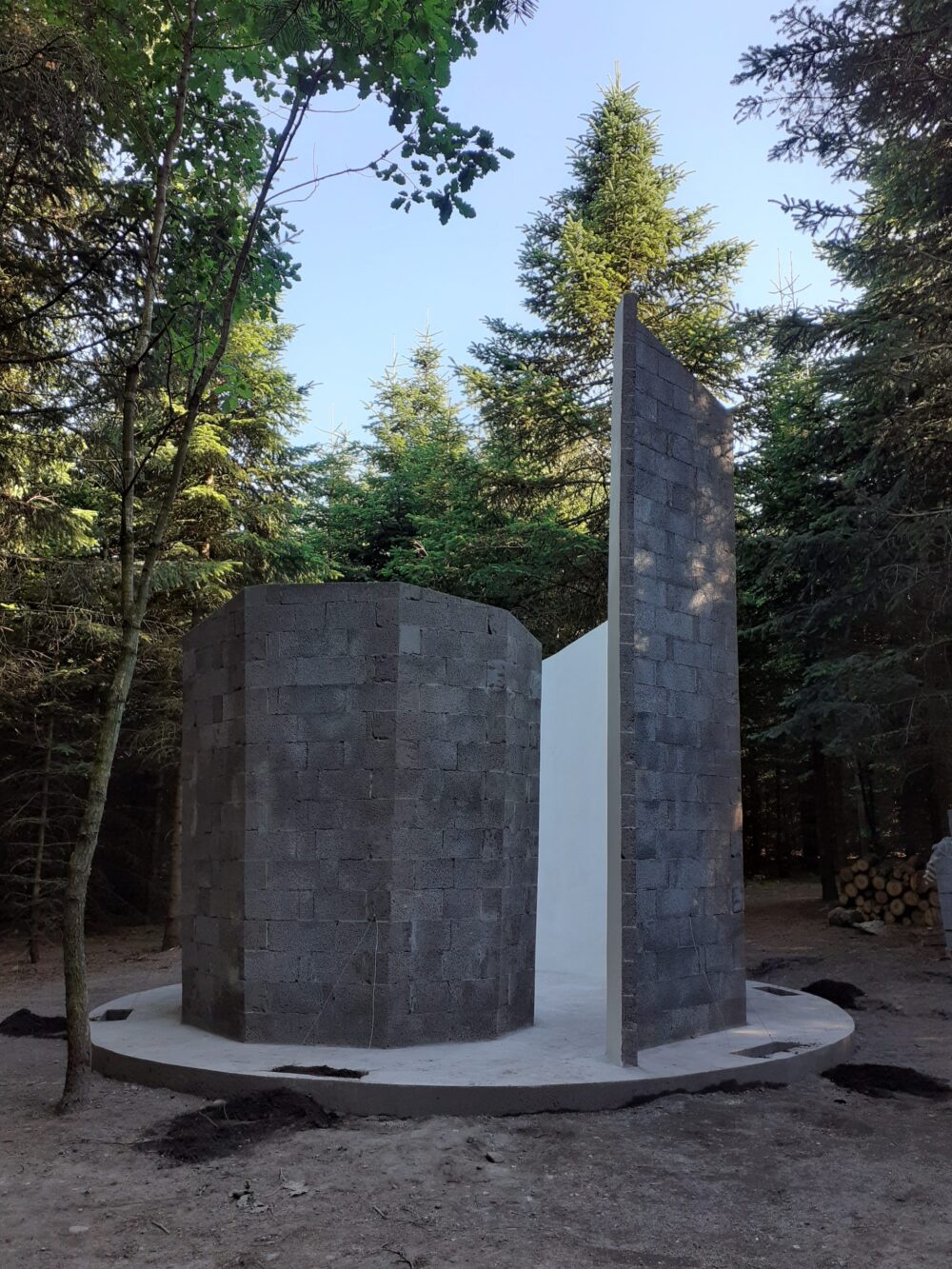
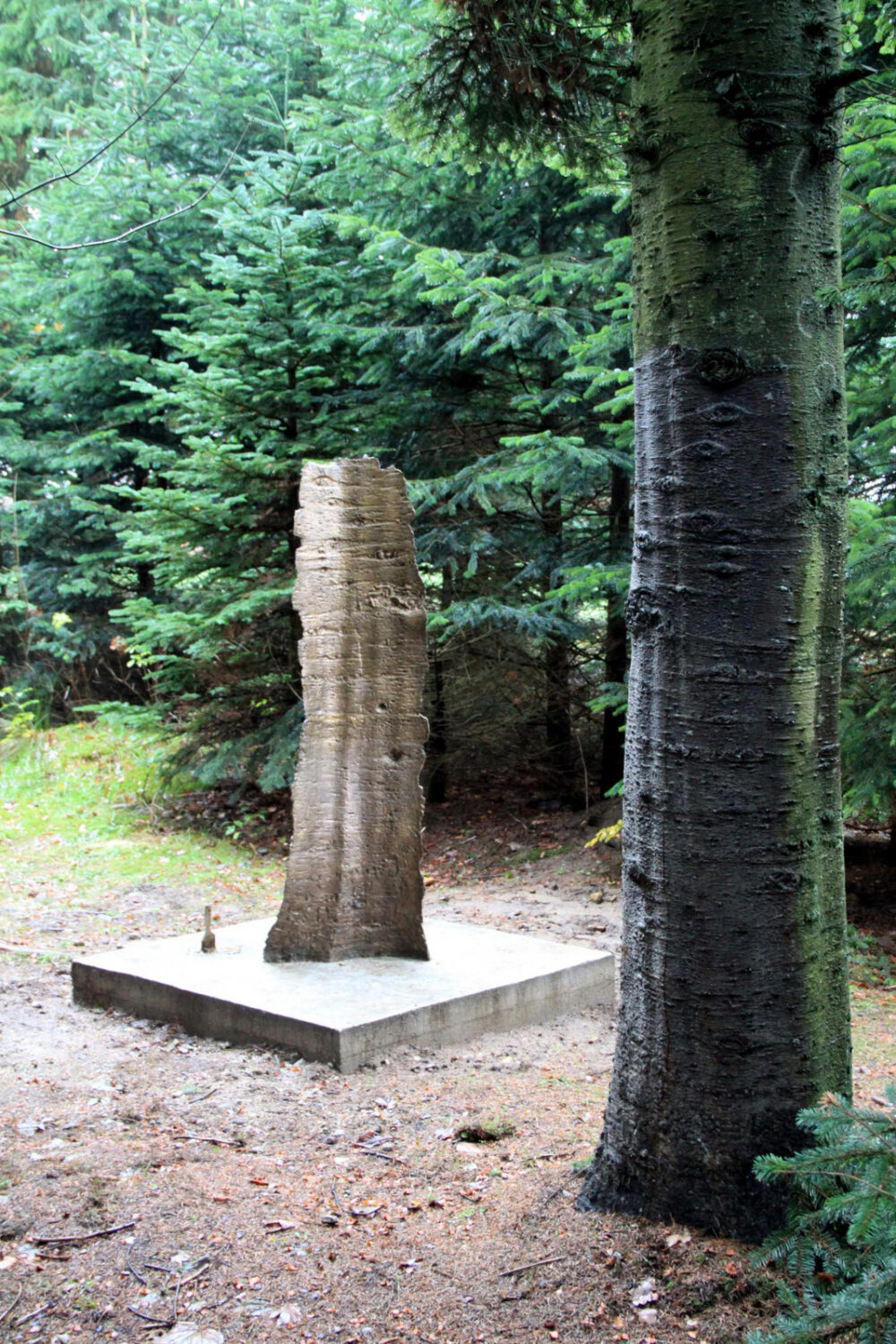
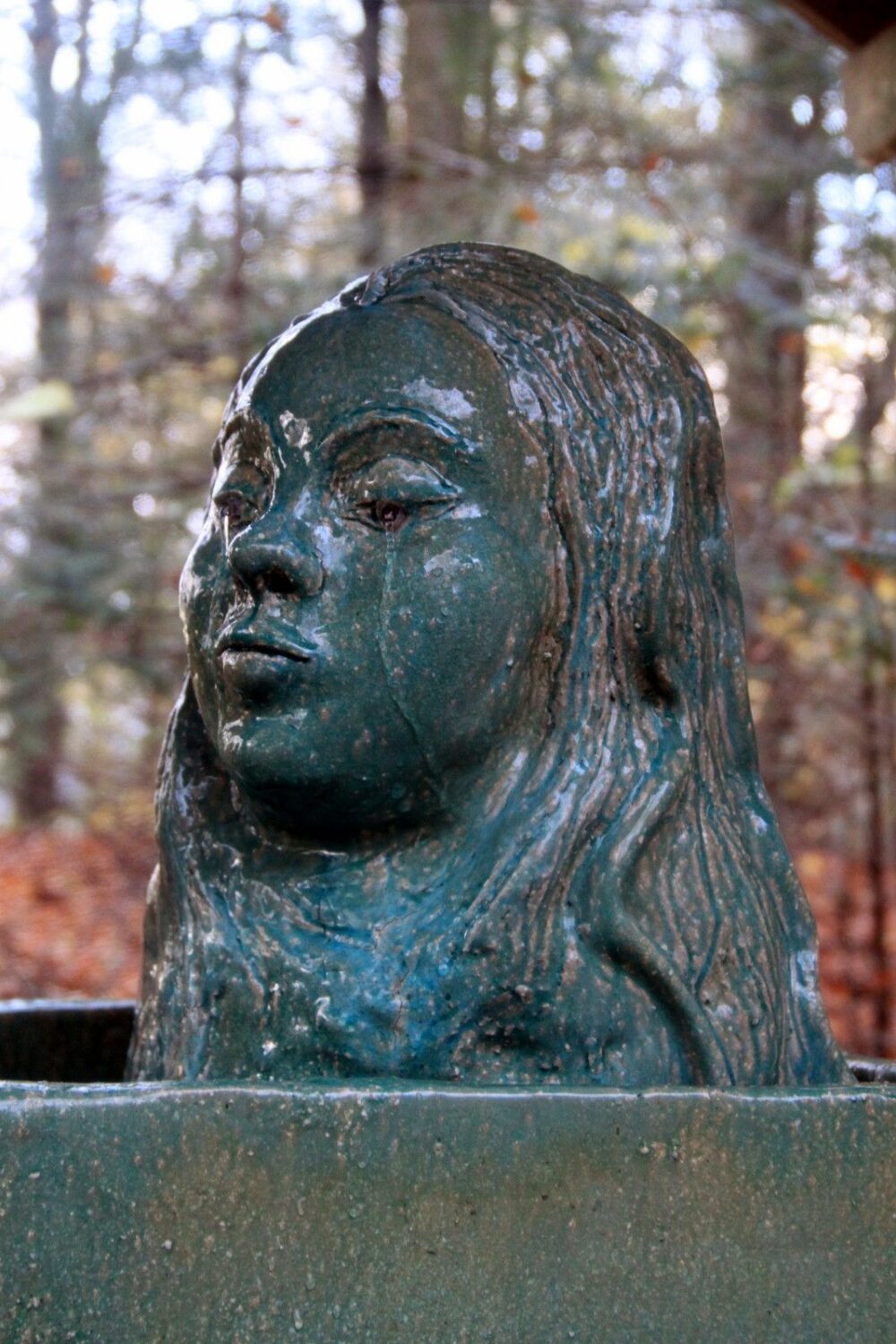
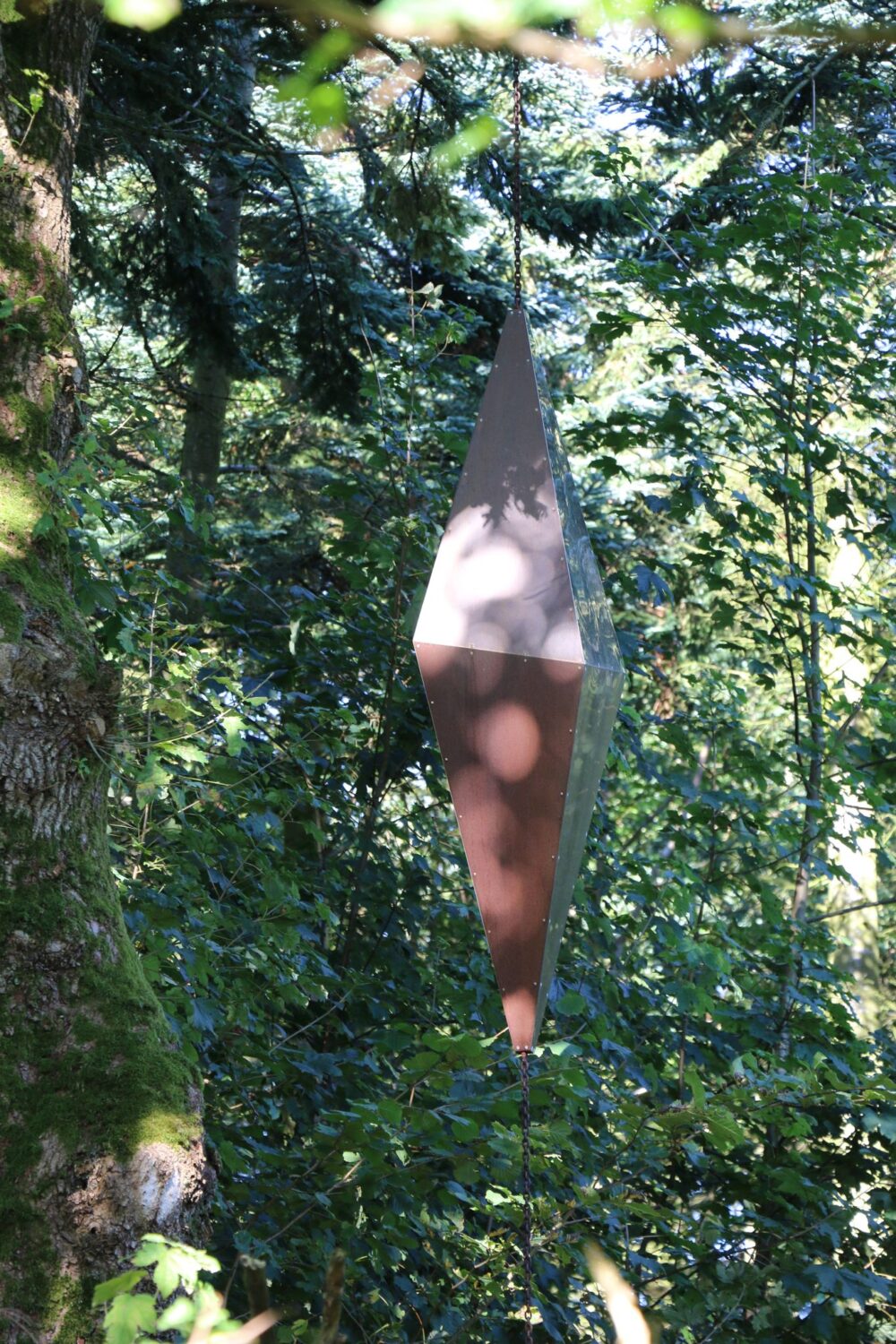
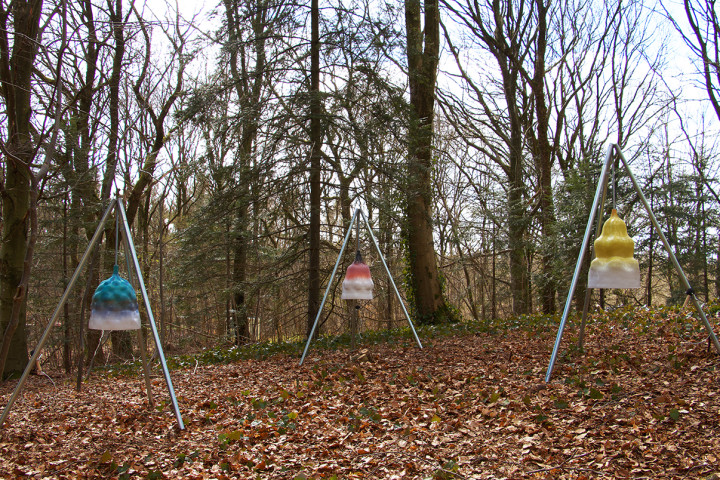
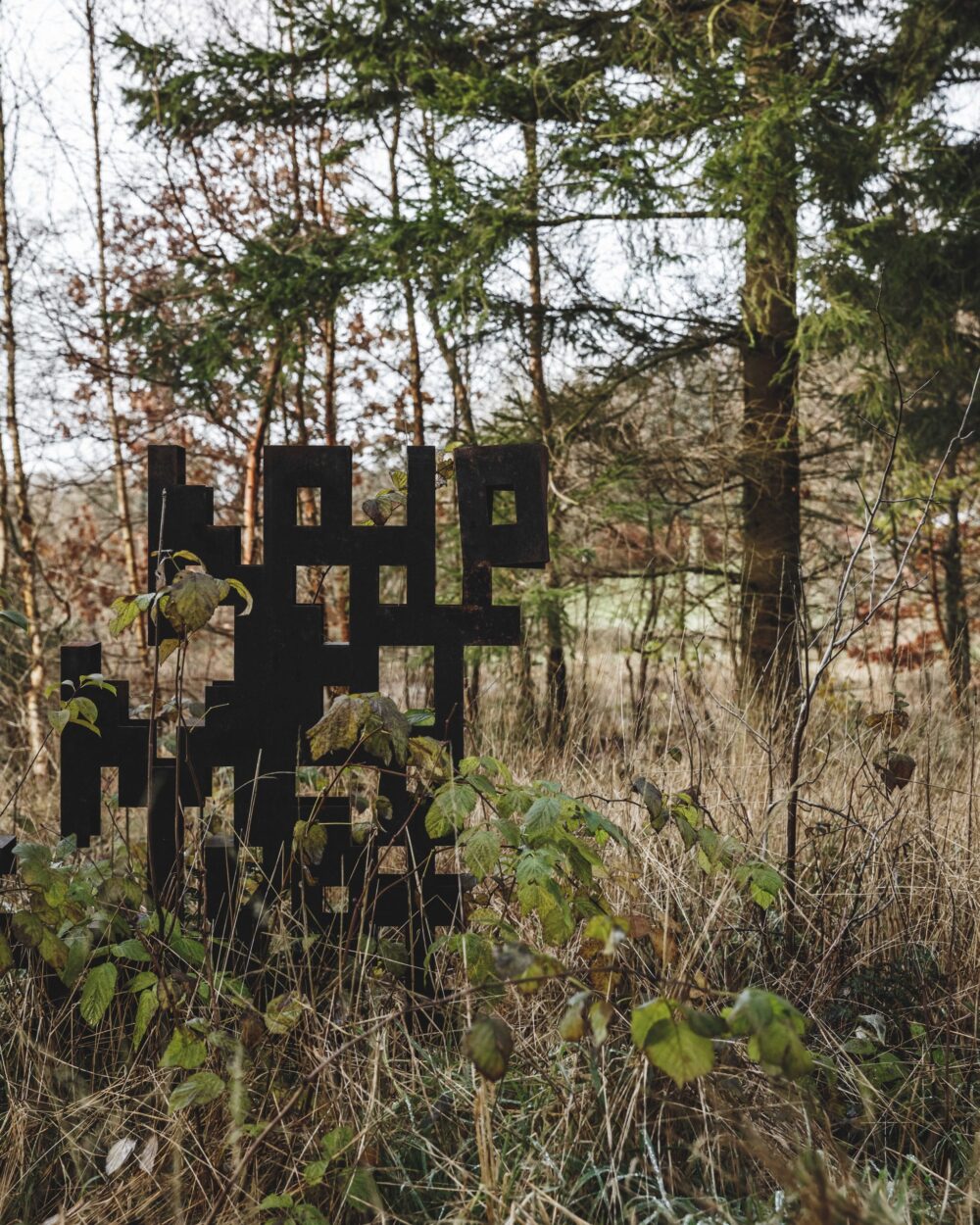
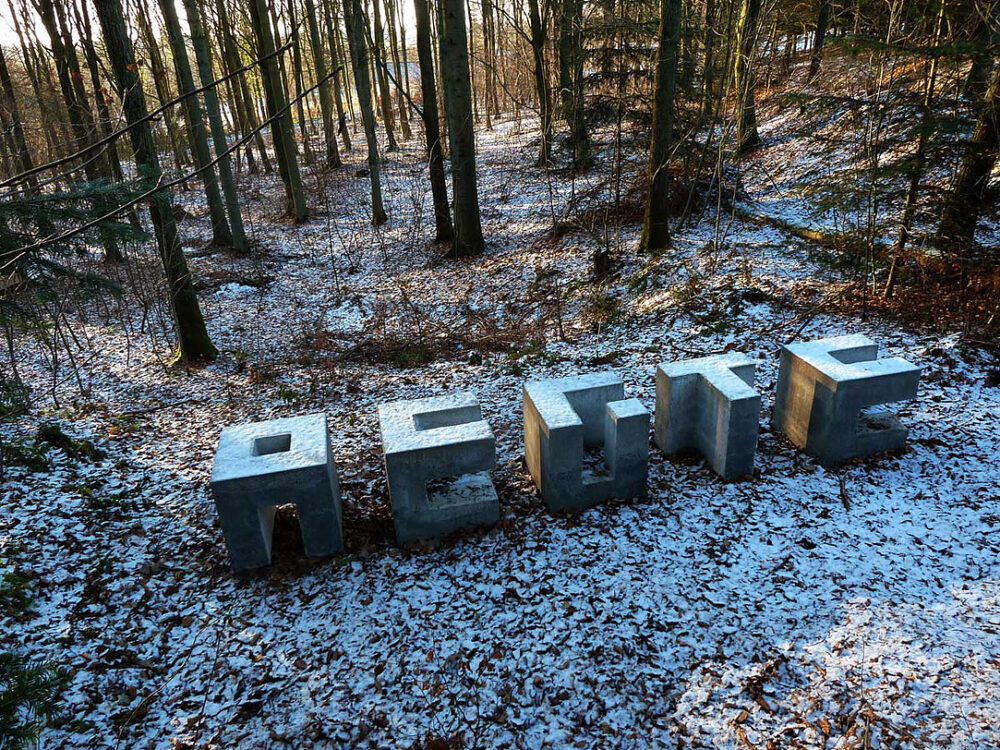
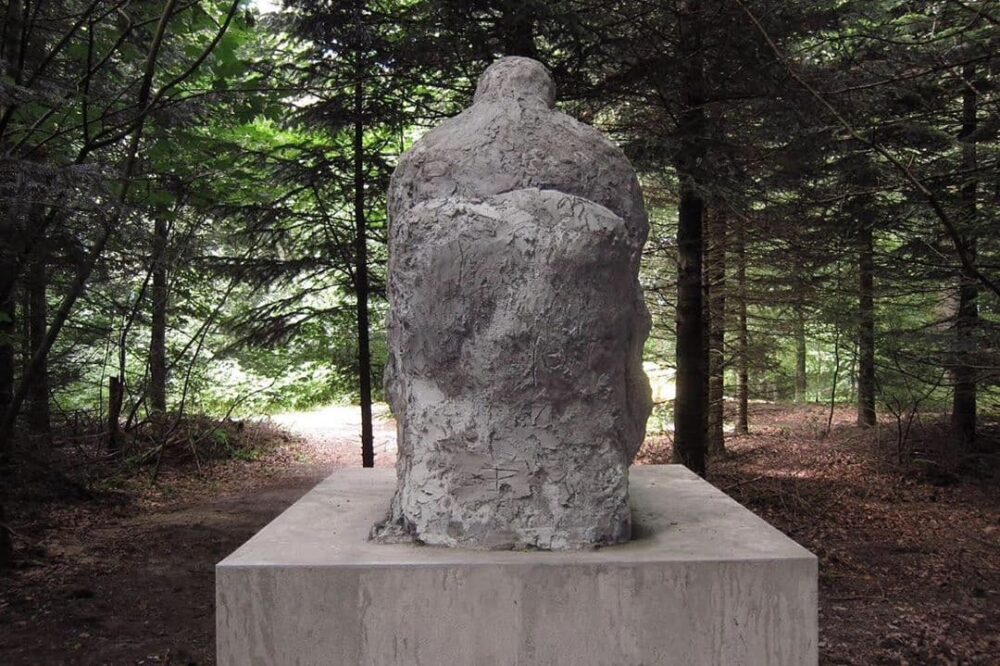
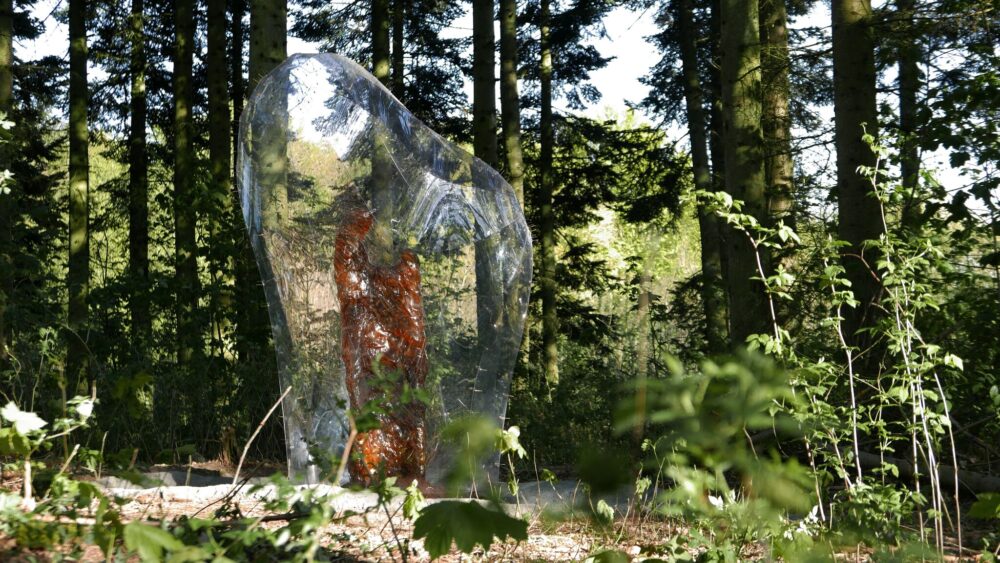
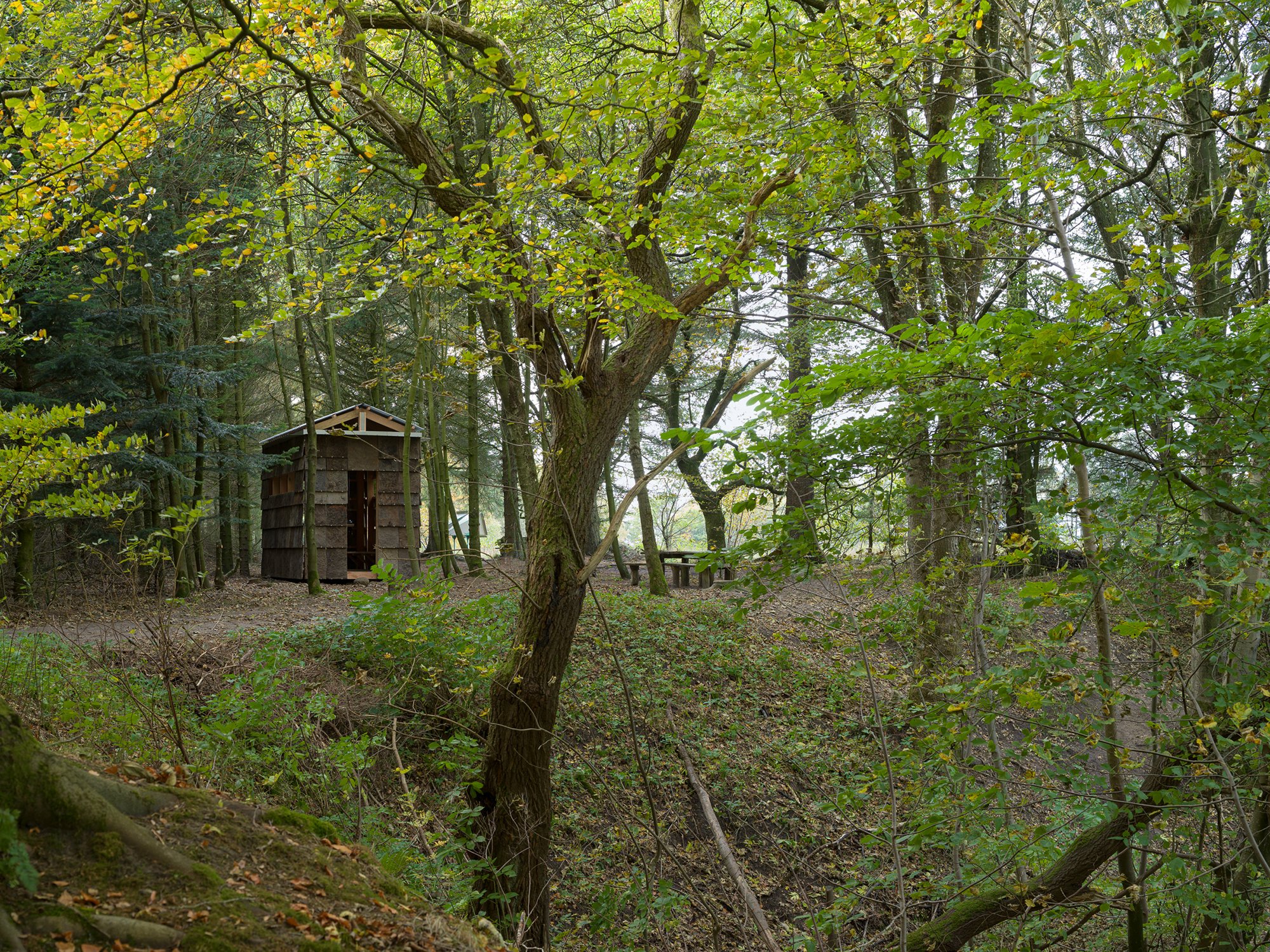
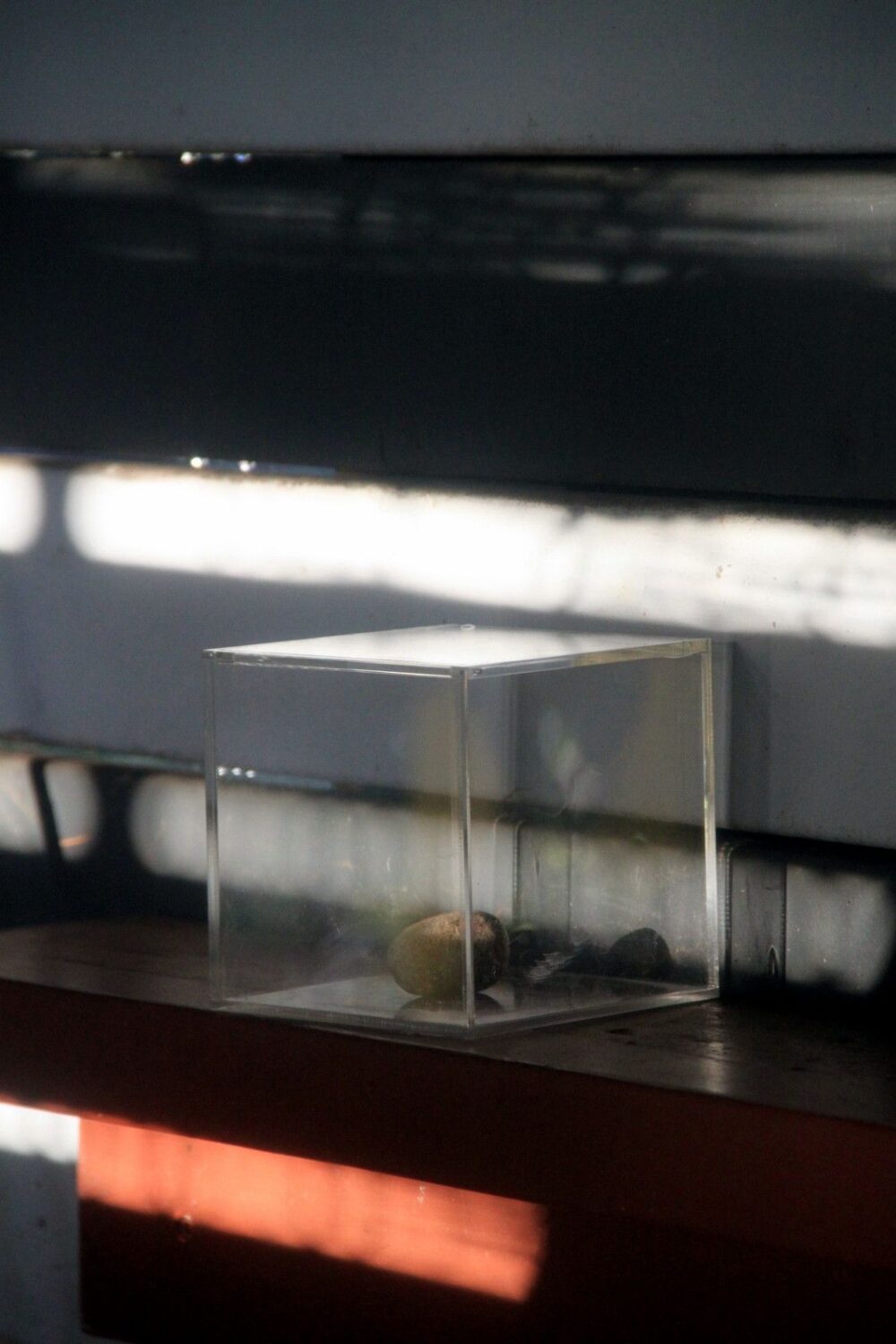
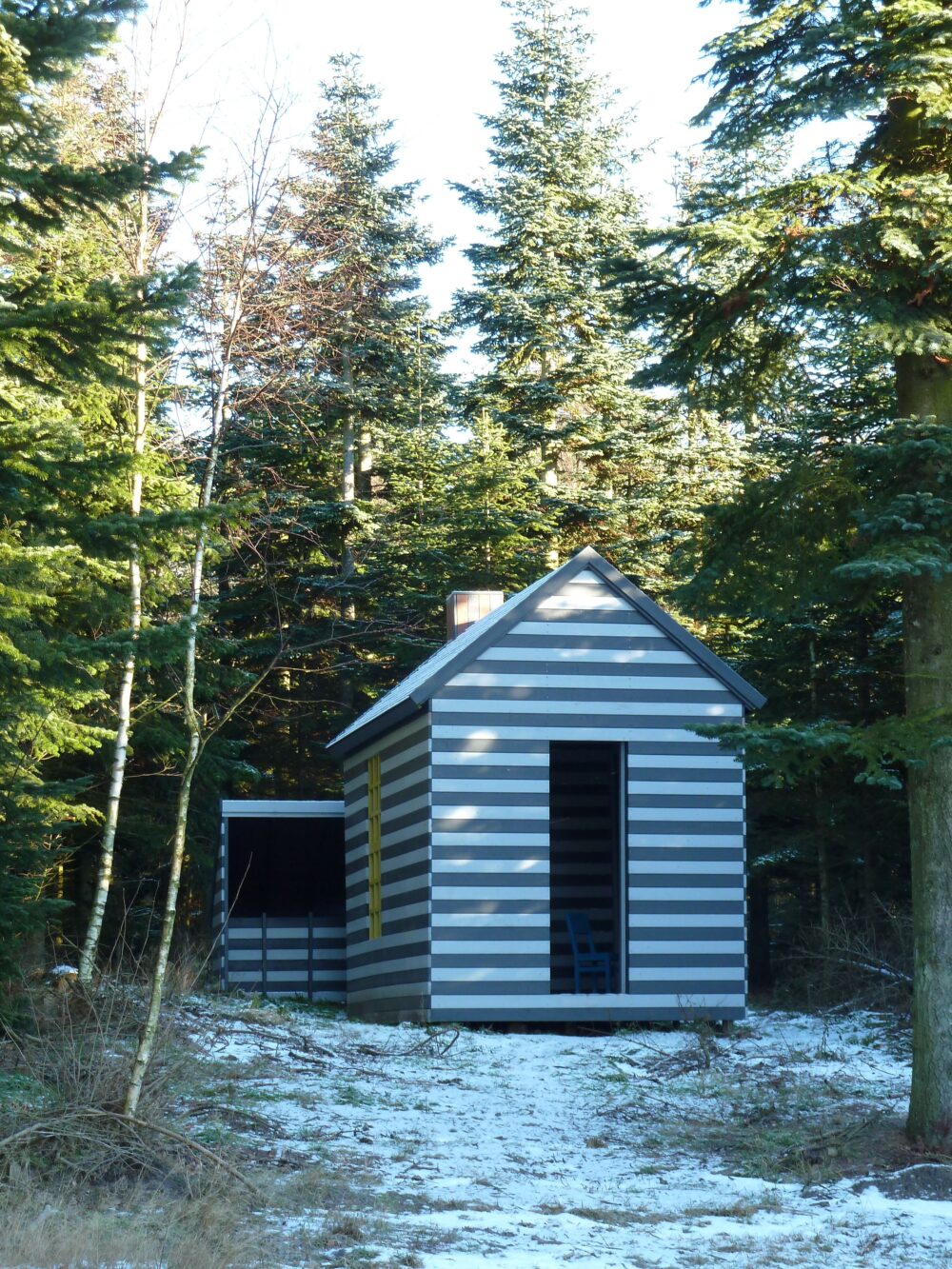
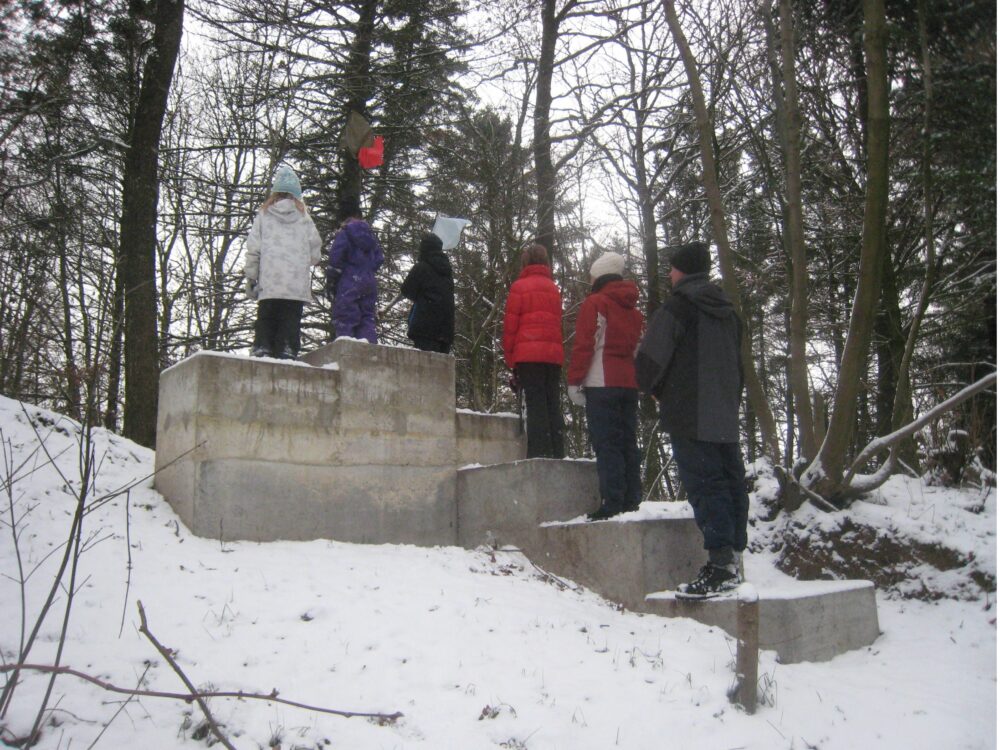
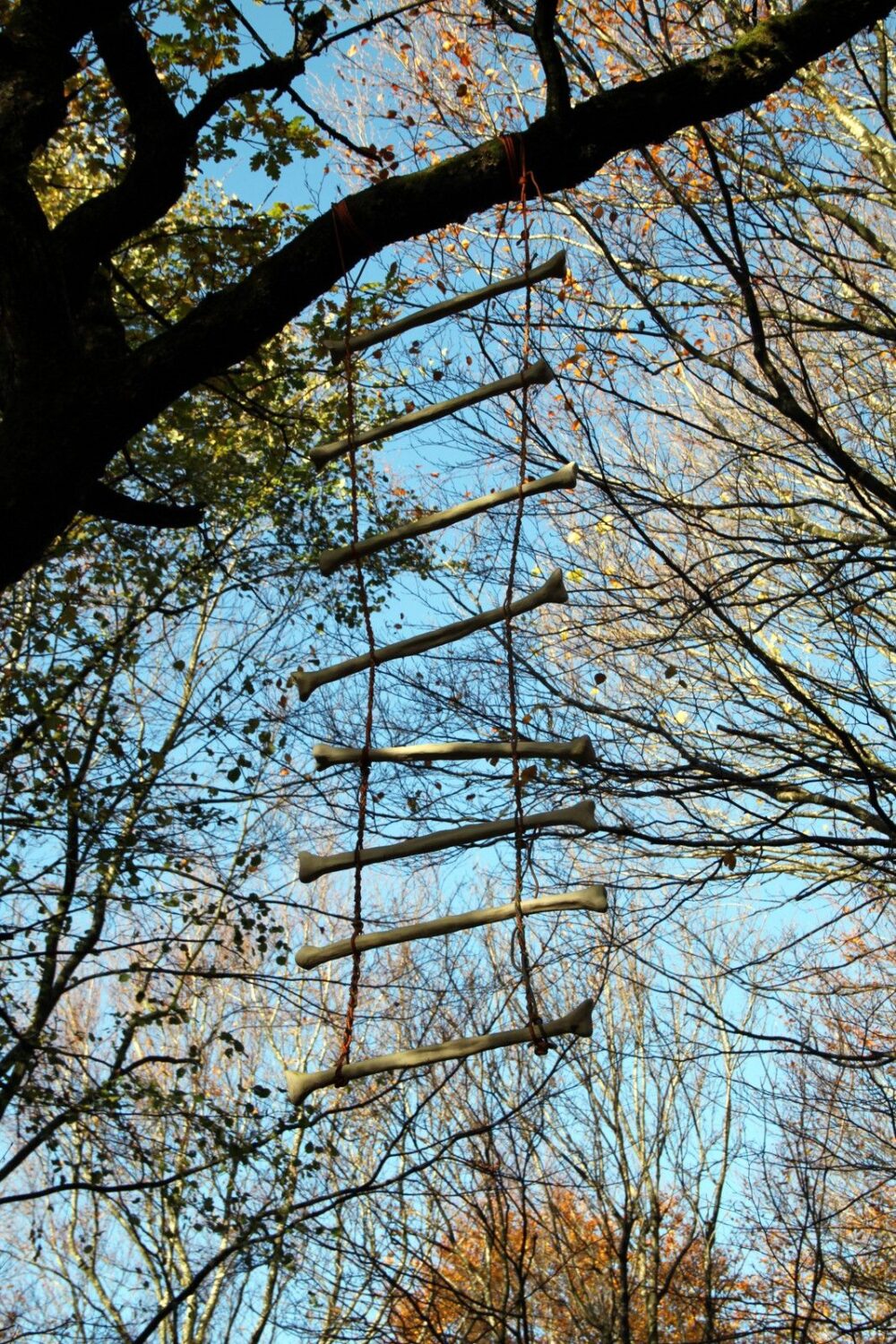
Previous Works
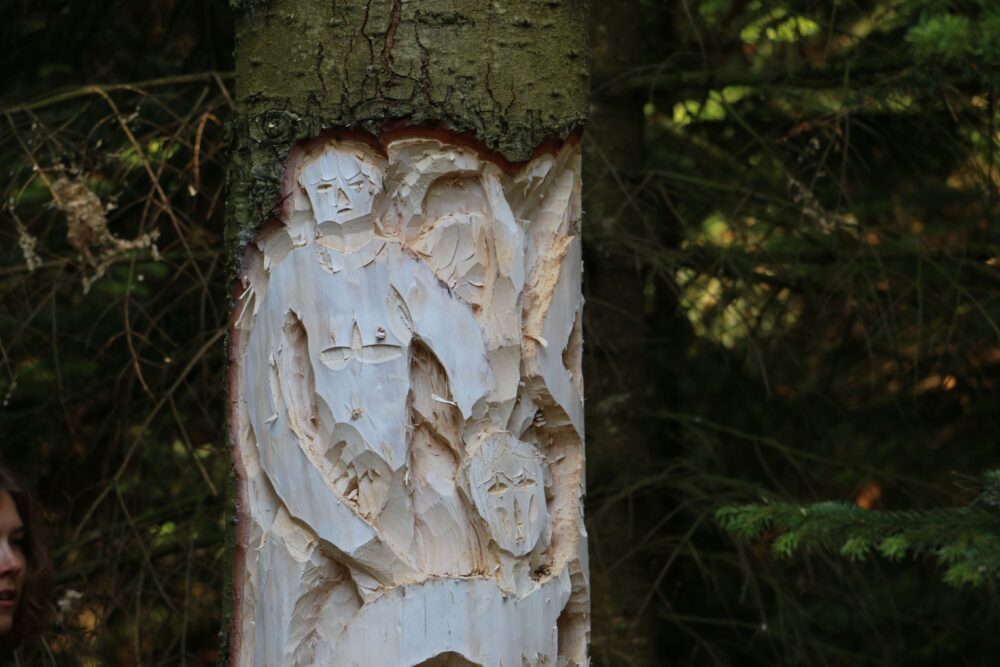
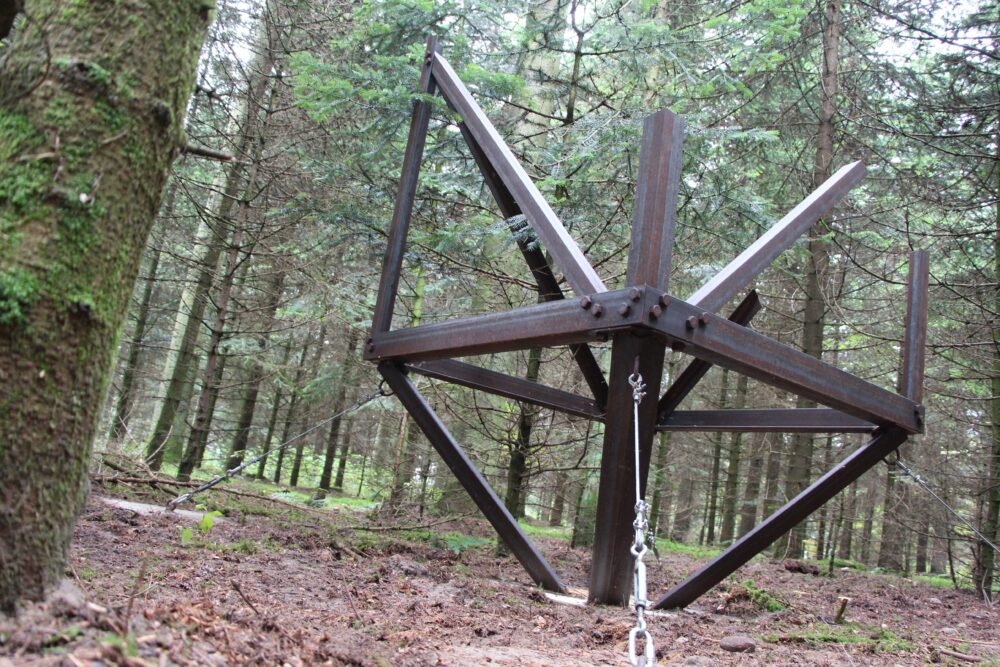
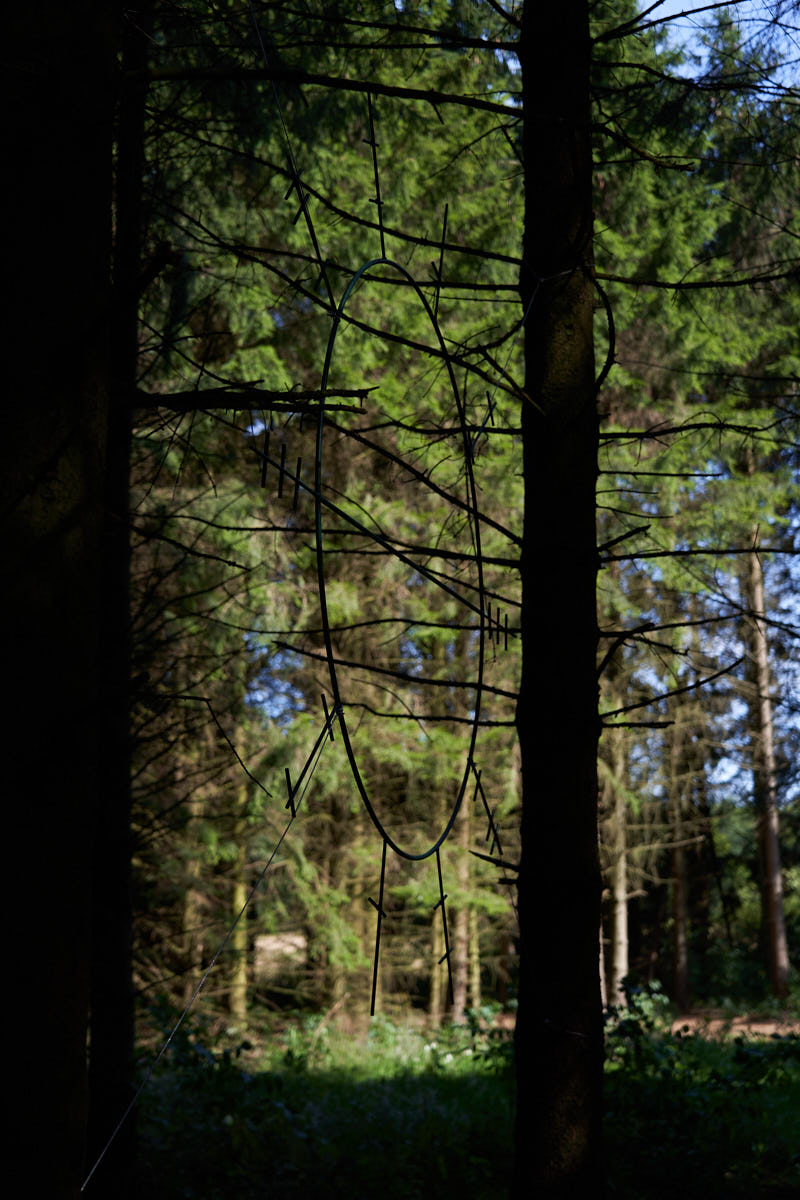
Special Experiences
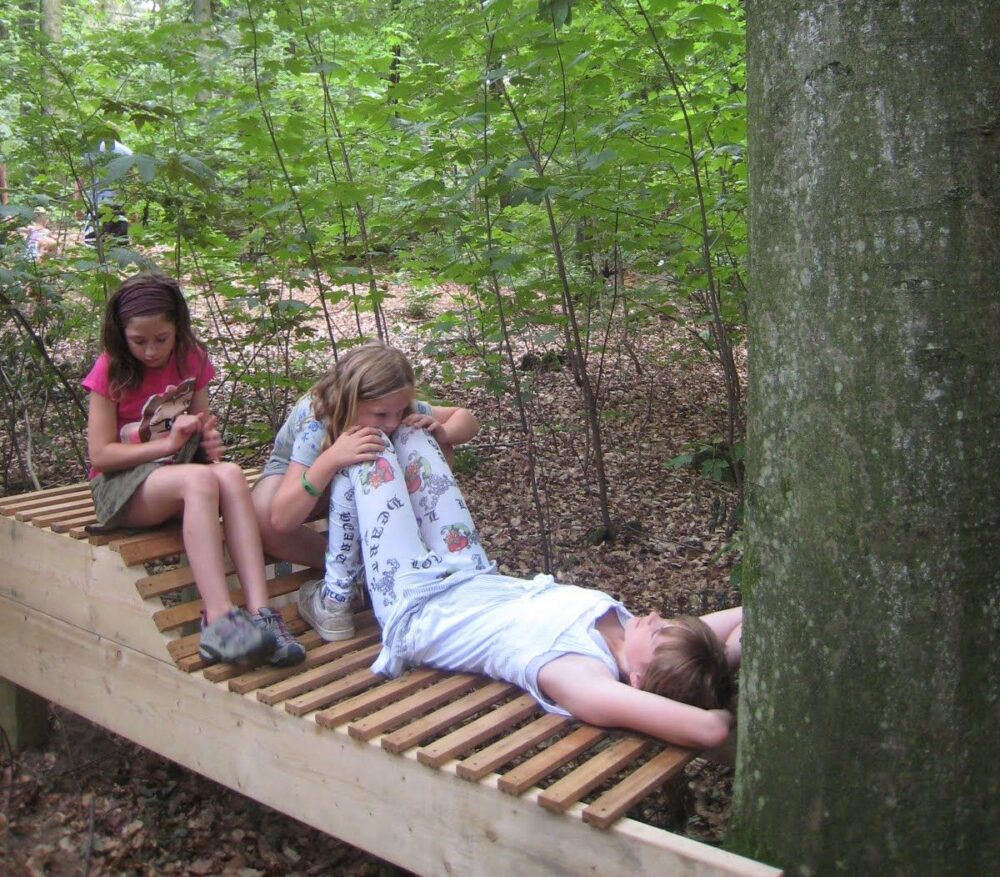
Nordskoven offers experiences for the curious and for those who want to stay a little longer. Among the trees, you’ll find places that invite you to play, relax, and enjoy experiences that unfold in different ways. Explore the landscape, challenge yourself physically, or stay a little longer and experience the forest as the day draws to a close.
The Forest Snake
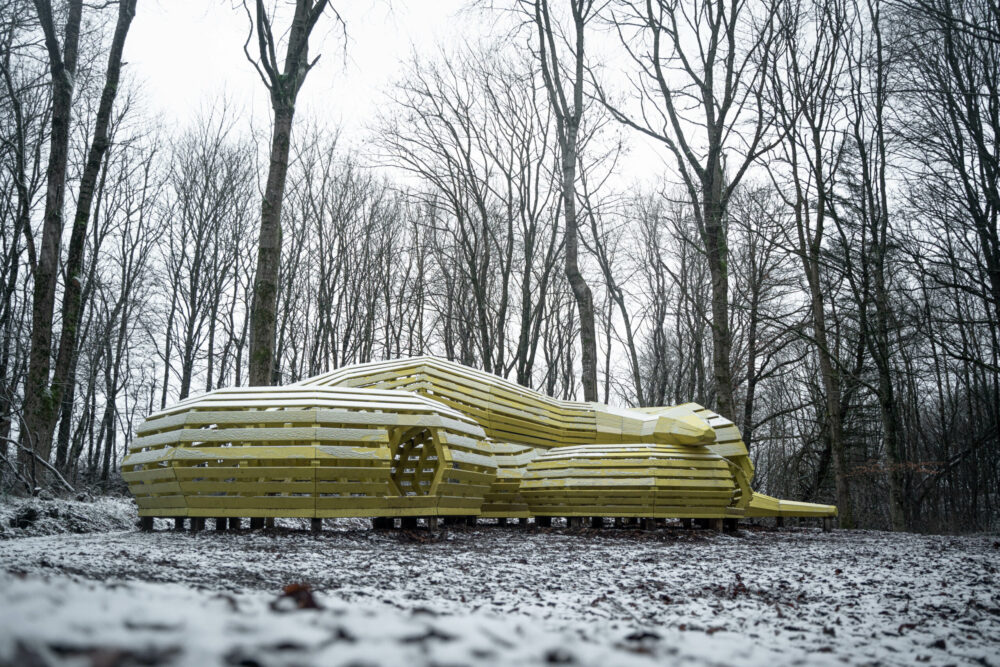
In the old marl pit lies Skovsnogen—a place designed for play, physical activity, and discovery.
Here, you're welcome to climb, crawl, balance, and find your own way.
Spending the Night in the Woods
Once the last visitors have gone home, the forest takes on a different character.
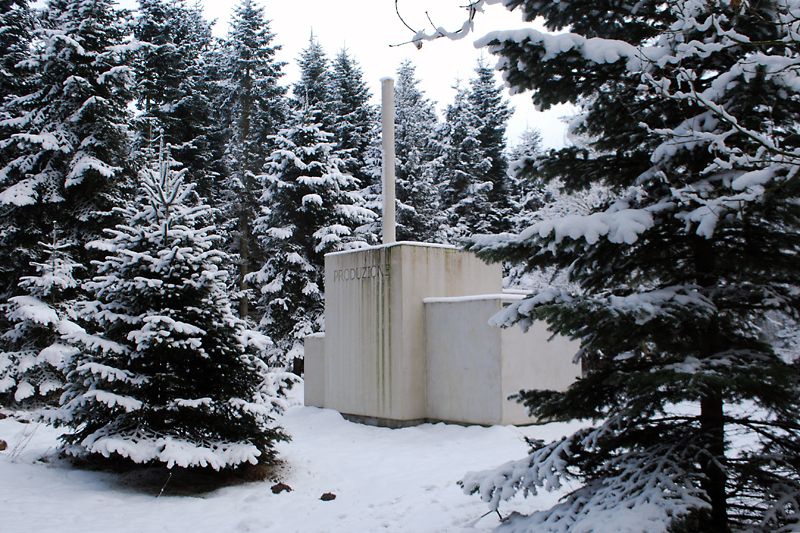
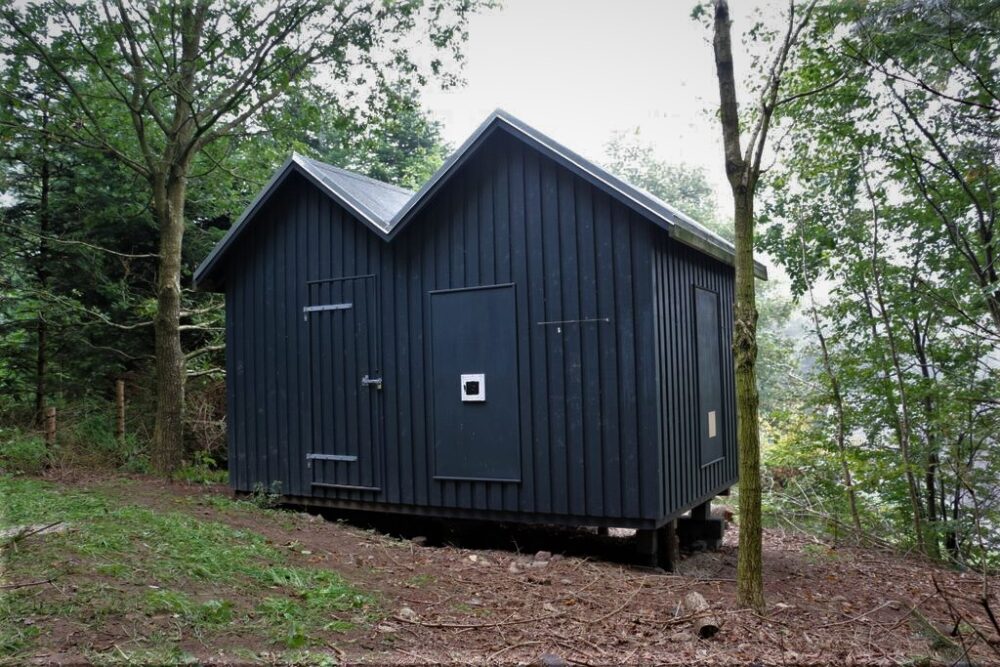
In John Kørner’s work Production , it is possible to spend the night in the middle of the art landscape and experience Deep Forest Art Land in a completely different way. Here, the silence, the darkness, and the sounds of the forest become part of the experience.
Staying overnight gives you the chance to linger a little longer and experience the place at a more leisurely pace—close to both nature and art.
There should be a large photo here
A hill island
Nordskoven is located on the edge of what is known as a "hill island"—one of the oldest landscapes in Denmark.
Bakkeøen was formed during the Saale Glacial Period about 150,000 years ago and consists of clay, sand, stones, and gravel deposited by the ice. Since the area was not covered by the subsequent ice age, the landscape has been preserved with its gentle hills and natural variations in elevation.
As you make your way through Deep Forest Art Land, you can experience the hilly landscape firsthand. Across Døvling Creek, through the Gothic Quarter, and on toward Thoreau’s Cabin, the terrain gradually begins to rise. Here, you can feel the landscape not only with your eyes, but also in your body.
The various soil types and the hilly terrain provide a habitat for many plants and animals and contribute to the area’s biodiversity.
In this way, the hill island is both a story of the forces of nature in the past and an important part of the forest we experience today.